
At a Glance
- Bitcoin faces a test of its sensitivity to traditional finance on January 28, 2026.
- U.S. crude oil inventory data and the Federal Reserve’s rate decision are the key drivers.
- Bitcoin traded between $87,000 and $89,000 and was down 3.6% over the past week.
- Why it matters: Investors must watch how energy and monetary policy signals influence crypto risk appetite.
Bitcoin is set to confront a convergence of two major macro events that could reshape its near-term trajectory. The cryptocurrency’s performance on January 28, 2026 will hinge on U.S. crude oil inventory releases and the Federal Reserve’s interest-rate announcement, both of which shape expectations for inflation and liquidity.
Market Context: Super Wednesday
On-chain analyst GugaOnChain described the day as a “super Wednesday” for global markets. He highlighted that both the oil data and the Fed meeting serve as parallel risk events that can alter expectations of inflation, liquidity, and risk appetite. In this environment, Bitcoin is seen as an asset sensitive to the same variables, reacting to energy shocks and monetary policy shifts.
Oil Market Impact
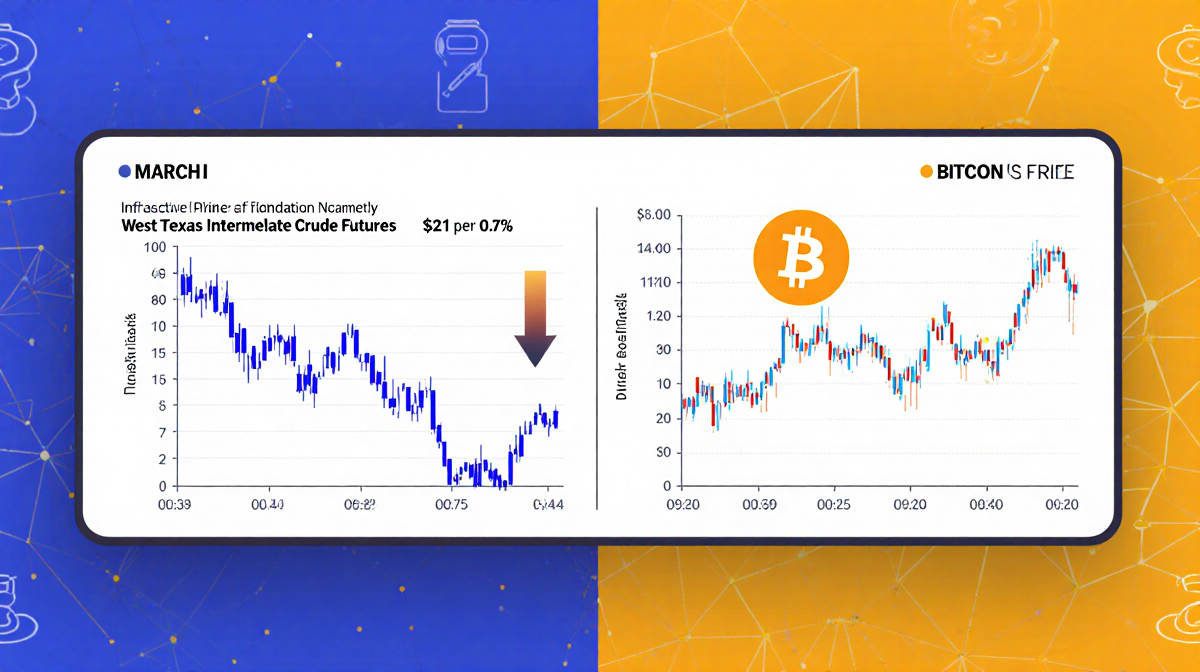
West Texas Intermediate crude futures for March settled around $61 per barrel, down about 0.7% on the day. Open interest fell by more than 21,000 contracts, signaling traders are trimming exposure ahead of the macro signals. GugaOnChain noted a moderate negative correlation between Bitcoin and crude oil over the past week: Bitcoin rose just over 5% while oil remained flat. Energy markets, he said, remain a reference point for inflation expectations that feed into liquidity conditions affecting Bitcoin and other risk assets.
Bitcoin Price Action
During the last 24 hours, Bitcoin gained about 0.6%, trading in a narrow range between $87,000 and $89,000. Over the past week, the asset is down 3.6%, and nearly 4% over two weeks, even as the broader crypto market has been flat. On a monthly view, Bitcoin is marginally higher, but it remains about 12% lower year over year and almost 30% below its all-time high of $126,000 reached in October last year.
Institutional Flow
A recent CoinShares report showed $405 million leaving Bitcoin-linked investment products in a single week, reflecting reduced exposure as expectations for near-term Fed rate cuts faded. Analysts at QCP Capital said Bitcoin has struggled to hold gains even when supported by traditionally positive macro narratives, pointing to ongoing selling pressure during U.S. trading hours.
Market Sentiment
As traders await clarity on Fed guidance and inflation signals tied to energy prices, Bitcoin’s tight range suggests conviction is limited. Both crypto and traditional markets appear focused on absorbing the policy tone rather than chasing short-term moves. “We are investigating the cause,” said John Smith, police spokesperson, underscoring the cautious atmosphere.
Key Takeaways
- The convergence of U.S. oil data and the Fed meeting on January 28, 2026 creates a “super Wednesday” that could pivot Bitcoin’s risk profile.
- Bitcoin’s recent gains are modest, and it remains underperforming its all-time high by almost 30%.
- Institutional outflows of $405 million indicate a retreat from Bitcoin-linked products amid fading expectations of Fed rate cuts.
- Traders are in a waiting mode, focusing on how policy signals will reshape energy-crypto correlations.
Bitcoin’s performance today will reflect broader macro caution, with energy and monetary policy at the forefront of market sentiment.