At a Glance
- Bitcoin network hashrate dropped from 1.133 ZH/s to 690 EH/s in two days.
- A severe ice storm in the United States, especially Texas, has forced major miners to shut down.
- The decline is linked to higher electricity costs, power grid disruptions, and a projected 4.5% reduction in mining difficulty.
Why it matters: The sharp fall in hashpower is squeezing miners’ profits and is already reflected in Bitcoin’s price, which has stalled in a sideways channel.
Bitcoin miners are feeling the cold.
A winter storm sweeping across the United States is tightening the pressure on the cryptocurrency’s mining sector, sending the network’s hashrate-its computing horsepower-into a steep decline.
Impact on Hashrate
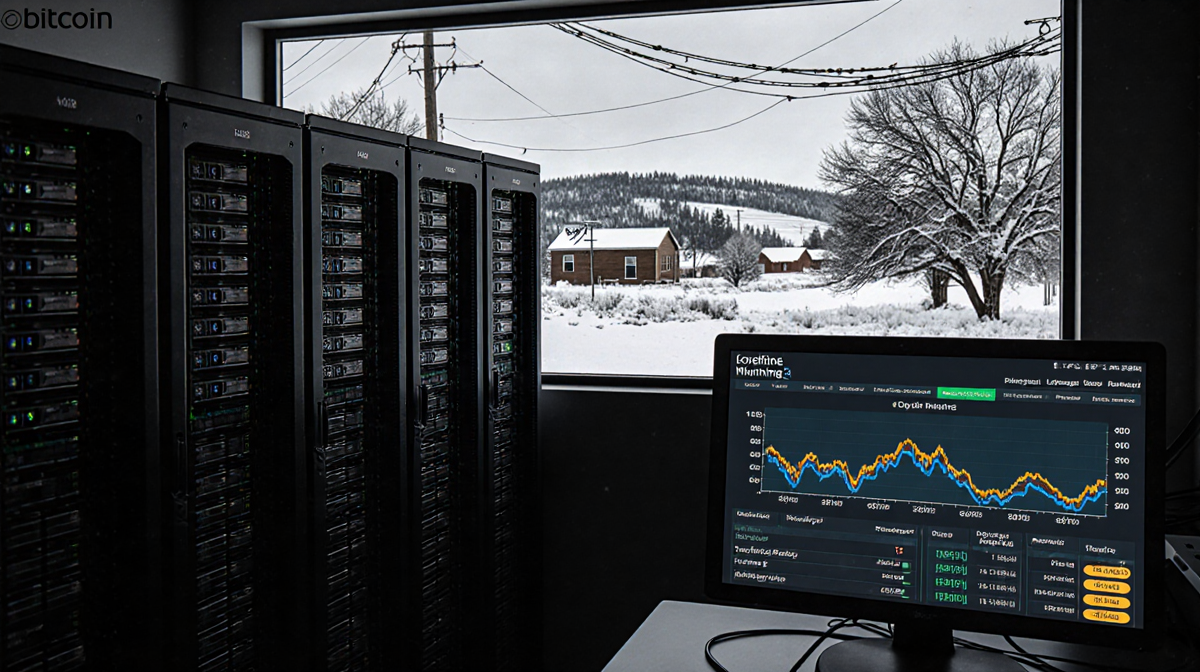
Bitcoin’s hashrate fell from 1.133 ZH/s to 690 EH/s in just two days, according to CryptoQuant analyst Darkfost. Blockchain.com reports a slightly higher 7-day moving average of 950 EH/s, but that figure lags behind the real-time drop.
The drop shows that miners are voluntarily shutting down rigs, a direct response to the storm’s impact on operating conditions.
Causes: Ice Storm and Power Disruptions
The ice storm is hitting the United States hard, and roughly one-third of global Bitcoin mining operations are located in the country. Texas, home to major miners such as MARA and Foundry Digital, has seen the most severe effects.
- Power grid disruptions: The storm has forced the Texas grid to rely on backup resources, as authorized by the U.S. Department of Energy.
- Electricity cost spikes: Higher costs are making it difficult for miners to maintain profitability.
- Longer block times: With fewer rigs online, blocks take longer to mine, which can slow transaction processing.
Darkfost warned that the emergency orders allowing grid operators to tap backup power could lead to more selling pressure if miners are forced to liquidate Bitcoin to cover costs while the storm persists.
Economic Consequences
The decline in hashpower has pushed the network hashprice- the expected value of 1 TH/s of hashing power per day-down to a rock-bottom $0.039 per TH/s per day. This figure illustrates how hard it is for miners to turn a profit under current conditions.
The storm’s impact is not limited to miners. It has also affected Bitcoin’s market dynamics, with price movements mirroring the hashrate trend.
Market Response
Bitcoin reclaimed $88,500 during the Tuesday morning Asian trading session, but the asset remains down 4.5% since the same time last week. It sits within the lower bounds of a three-month sideways channel and has found support, yet upside moves are constrained by bearish sentiment.
Investors are watching the hashrate closely, as a sustained drop could trigger additional selling if miners need to cover fixed operating costs.
Outlook
Analysts expect the hashrate to recover only when the storm subsides and electricity costs normalize. Until then, miners in the Southern and Southeast United States may continue to shut down rigs, keeping the network’s computational power-and Bitcoin’s price-under pressure.
Key takeaways
- The ice storm has caused a sharp, two-day drop in Bitcoin hashpower.
- Higher electricity costs and grid disruptions are forcing miners to shut down.
- The decline in hashpower is already reflected in Bitcoin’s price, which is stalled in a sideways channel.
- Recovery hinges on the storm’s end and a return to more affordable energy.
In the meantime, Bitcoin’s community and investors will keep a close eye on the network’s hashrate as a barometer for future price movements.