
At a Glance
- Former FIFA president Sepp Blatter urges fans to boycott U.S. World Cup matches.
- The call follows a travel ban that blocks fans from Senegal, Ivory Coast, Iran, and Haiti.
- FIFA will provide $60 tickets to national federations for each game in North America.
Why it matters: The boycott could lower attendance and strain the U.S. hosting of the 2026 World Cup.
Sepp Blatter, the former head of FIFA, announced on Monday that he supports a boycott of World Cup matches in the United States. He cited President Donald Trump’s conduct at home and abroad as the reason for his stance.
Blatter’s Call to Action
Blatter’s message was posted on X, where he echoed comments made by Swiss attorney Mark Pieth in an interview with the Der Bund. Pieth, who chaired FIFA’s Independent Governance Committee a decade ago, warned that fans should avoid the U.S. and that officials might send them home immediately if they fail to please.
> “If we consider everything we’ve discussed, there’s only one piece of advice for fans: Stay away from the USA! You’ll see it better on TV anyway. And upon arrival, fans should expect that if they don’t please the officials, they’ll be put straight on the next flight home. If they’re lucky.”
Blatter added, “I think Mark Pieth is right to question this World Cup.”
The World Cup will be co-hosted by the United States, Canada and Mexico from June 11-July 19. Blatter’s statement follows a series of controversies that have raised doubts about the U.S. as a suitable host.
U.S. Travel Ban and Fan Access
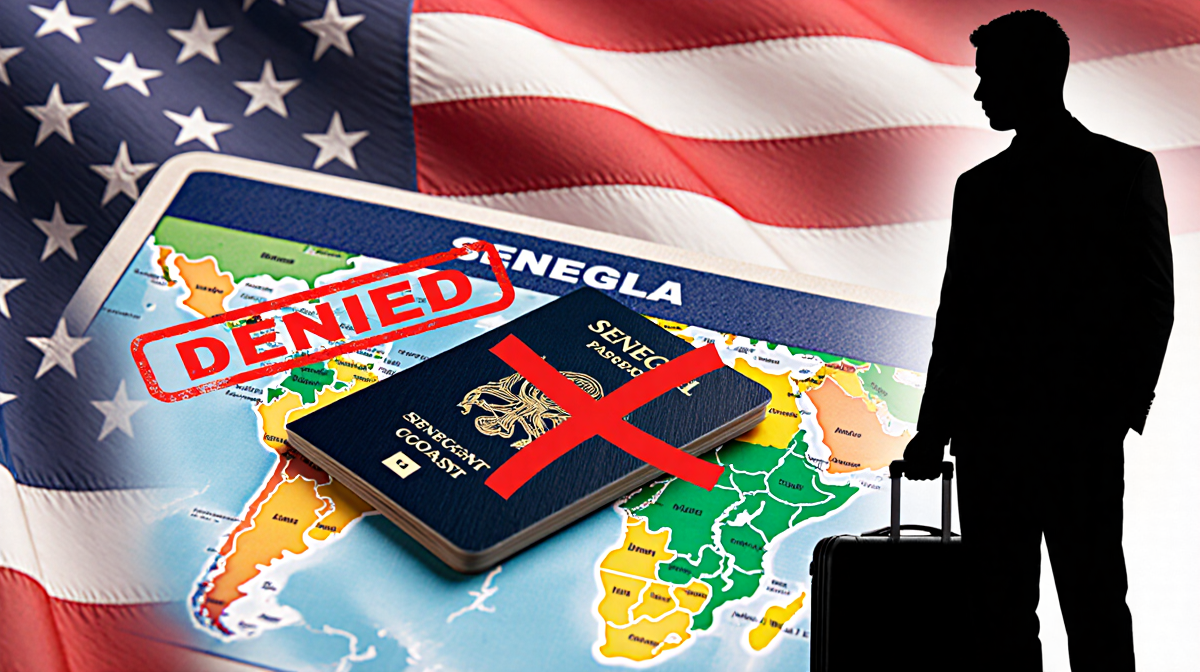
Two weeks before the tournament, the Trump administration announced a travel ban that would effectively bar people from Senegal and Ivory Coast from attending their teams’ matches unless they already possess visas. The ban was justified by the administration’s claim of “screening and vetting deficiencies.”
The ban also includes fans from Iran and Haiti, two other qualified nations. As a result, fans from these countries will be barred from entering the United States.
| Affected Country | Status | Reason |
|---|---|---|
| Senegal | Banned | Visa-related screening |
| Ivory Coast | Banned | Visa-related screening |
| Iran | Banned | First-iteration travel ban |
| Haiti | Banned | First-iteration travel ban |
These restrictions have already disrupted travel plans for supporters of Senegal and Ivory Coast.
Concerns About U.S. Policies
The international soccer community’s apprehensions about the U.S. stem from several policy actions:
- Trump’s expansionist stance on Greenland.
- Nationwide travel bans.
- Aggressive tactics against migrants and immigration-enforcement protestors, especially in Minneapolis.
Oke Göttlich, a vice-president of the German soccer federation, told the Hamburger Morgenpost that the time had come to seriously consider boycotting the World Cup.
FIFA’s Ticket Allocation
In response to the travel ban and the potential boycott, FIFA announced that $60 tickets will be made available for every game at the tournament in North America. These tickets will be distributed to the national federations whose teams are playing.
The allocation aims to ensure that each federation has a chance to provide fans with affordable access to the matches, even if travel restrictions limit attendance.
Potential Impact
A boycott could have several implications:
- Reduced stadium attendance and revenue.
- Increased pressure on U.S. officials to address travel and safety concerns.
- Possible reevaluation of U.S. hosting rights for future tournaments.
Blatter’s endorsement of the boycott adds weight to the movement, given his former role as FIFA president from 1998-2015.
Key Takeaways
- Sepp Blatter supports a boycott of U.S. World Cup matches.
- The travel ban affects fans from Senegal, Ivory Coast, Iran, and Haiti.
- FIFA will provide $60 tickets to national federations for each game.
- The U.S. faces criticism for its policies on Greenland, travel bans, and migrant enforcement.
- The boycott could influence attendance and the U.S. hosting of future World Cups.
The situation remains fluid as fans, federations, and officials weigh the implications of the boycott and travel restrictions.