
At a Glance
- A 600-year-old oak in South Carolina stores centuries of exhaled carbon from enslaved people and modern visitors
- Trees convert human breath into wood, creating living records of past generations
- Why it matters: Understanding this connection can transform how we view history and our environmental legacy
A December 2019 encounter with the centuries-old McLeod Oak near Charleston, South Carolina, fundamentally changed how botanist Beronda Montgomery views trees and their relationship to human history. The Southern Live oak, estimated to be around 600 years old, stands on former plantation land where African Americans were once held captive.
Standing beneath the massive tree, Montgomery realized that human exhalations become part of a tree’s permanent record. The wood of trees consists primarily of carbon, including carbon dioxide from human breath. This means that every person who has ever stood near or breathed around an ancient tree has contributed to its growth.
The Science of Breath and Wood
Montgomery explained this concept to her 17-year-old son and sister during their visit: “Some of the carbon dioxide that I had just exhaled would likely become part of a new leaf or the wood of the McLeod Oak.” The tree’s annual growth rings create a chronological archive, with inner rings containing breath from centuries past.
The botanist noted that the tree likely contains carbon from enslaved people who once lived on the plantation. This creates a profound connection between past and present – visitors today literally share space with ancestors through the tree’s wood.
Modern Changes to Tree Archives
Human activity has dramatically altered the carbon sources available to trees. While centuries ago trees primarily captured carbon from natural sources like animal breath, decay and forest fires, modern trees now absorb carbon from:
- Industrial emissions
- Vehicle exhaust
- Continued human and animal exhalation
The proportion of human-breath-derived carbon varies by generation, but the fundamental process remains unchanged. Trees continue recording human presence through the carbon we exhale.
Personal Transformation
This understanding transformed Montgomery’s relationship with ancient trees. She now seeks them out in her ancestral lands, treating visits as opportunities to connect with family members of the past. Mindful breathing during these visits becomes a way to add her own contributions to the ongoing carbon archive.
The experience has changed her beyond individual tree encounters. Montgomery reflects on what memories she wants preserved in future trees – whether her breath will represent thoughtful choices, commitment to greater good, or selfish actions.
Historical Implications
The concept extends beyond personal reflection to historical understanding. Trees become living museums, preserving physical evidence of past generations. Unlike written records that can be lost or destroyed, tree rings provide an unalterable archive of who breathed in their presence.
This perspective offers a unique way to experience history physically rather than just through memory. People can literally stand in the same spaces as their ancestors and add their own breath to the ongoing record.
Environmental Legacy
Montgomery’s insights highlight the intimate connection between humans and the natural world. Our environmental impact extends far beyond what we can see or immediately understand. Every breath contributes to the growth of nearby plants, creating a lasting legacy in wood and leaves.
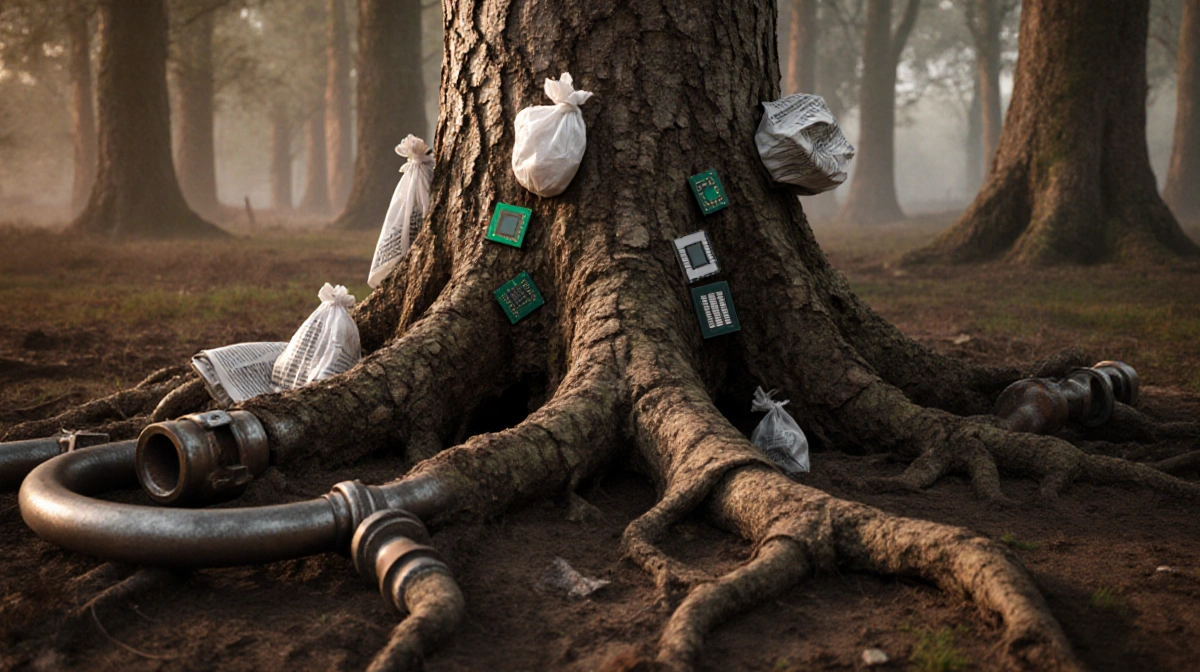
This knowledge carries responsibility. Understanding that our actions become literally embedded in the environment may influence how people choose to live and interact with nature.
Key Takeaways
- Ancient trees serve as living archives of human breath and history
- Carbon from human exhalations becomes permanent parts of tree wood
- Modern pollution has added new carbon sources to tree growth
- Visiting historic trees creates physical connections to ancestors
- Our daily breath contributes to environmental records that may outlast us
Montgomery explores these concepts further in her new book When Trees Testify: Science, Wisdom, History, and America’s Black Botanical Legacy, available January 20.