At a Glance
- Conjoined twins Marcos and Matheus died within days of their Jan. 6 birth in Brazil
- One twin passed during emergency separation surgery after the other suffered cardiac arrest
- The ischiopagus twins were connected at the hip and shared anatomical structures
- Why it matters: The rare case highlights the extreme risks facing conjoined twins requiring separation
A pair of conjoined twins born in Brazil have died, with one passing during emergency separation surgery performed after his brother succumbed to cardiac arrest.
Marcos and Matheus were born connected at the hip at a Brazilian hospital on January 6, according to a Goiás State Government release. Their mother, Raylane Siqueira de Oliveira, delivered the twins at 34 weeks pregnant.
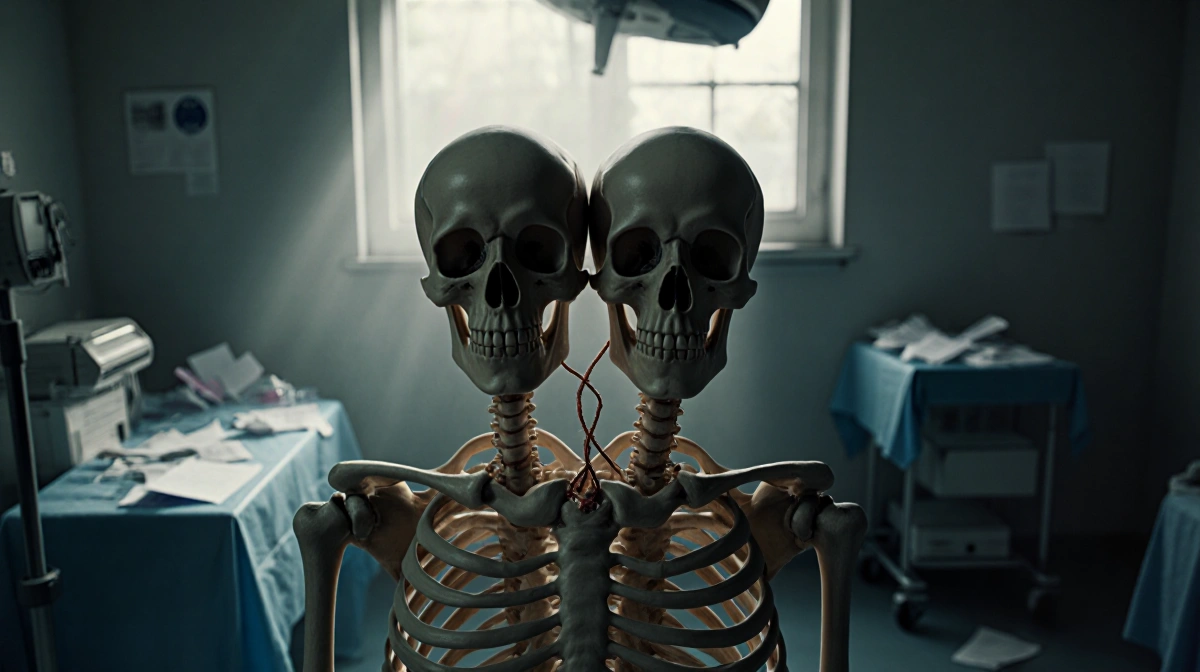
The newborns were classified as ischiopagus twins, a rare condition where babies are born connected at the hip and may share anatomical structures. This type of twinning requires intensive care from birth.
Initial Surgery and Complications
Within 24 hours of delivery, the twins underwent two major procedures:
- Colostomy: Creating an opening for stool and gas to exit the body
- Vesicostomy: A similar operation allowing urine to exit
Pediatric surgeon Zacharias Calil performed both procedures, which the government release described as successful. Following surgery, Marcos and Matheus remained in the Neonatal Intensive Care Unit (NICU).
However, complications soon emerged. In the early hours of January 8, one twin experienced successive cardiorespiratory arrests and died.
Emergency Separation Attempt
Faced with the first twin’s death, Calil’s team attempted to save the surviving brother through emergency separation surgery.
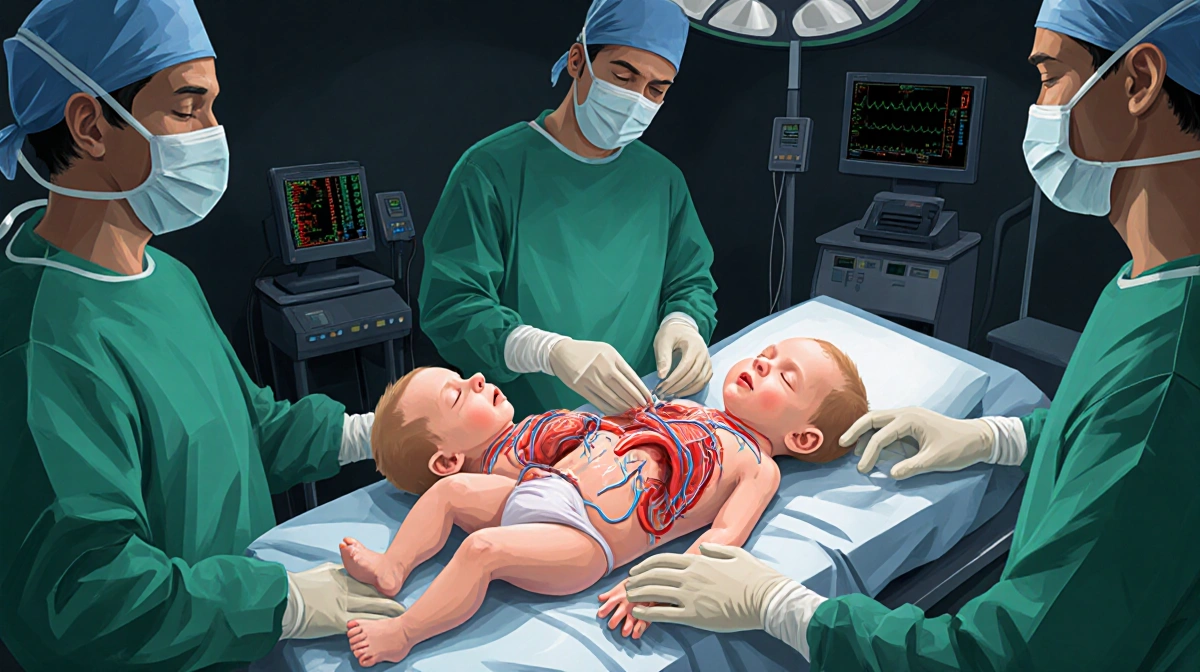
“Given the seriousness of the situation, we performed emergency surgery to separate the brothers, in an attempt to save the second baby,” Calil explained in a social media statement. “The surgery was technically successful, however, despite all the efforts of the medical and neonatology team, the second newborn also did not survive.”
The surgeon described the outcome as “one of the most challenging situations in medicine.”
Medical Team’s Response
Calil addressed the tragedy through multiple public statements, expressing both professional commitment and personal sorrow.
“I sympathize with the family at this moment of immense pain and reaffirm my commitment to medicine based on ethics, responsibility and humanization,” he stated.
In an Instagram post showing him speaking with media, Calil reflected on the experience: “Moments like this harshly remind us that our commitment is to fight until the very last moment with skill, responsibility and humanity.”
Family Background
Marcos and Matheus were born to parents Raylane Siqueira de Oliveira and Maycon Alex Rodrigues Araújo. The family faced not only the challenges of a high-risk multiple birth but also the complexities of conjoined twin management.
The Goiás State Government provided support throughout the medical crisis, issuing regular updates about the twins’ condition and the medical interventions attempted.
Key Takeaways
- Conjoined twins face mortality rates of 50-60% even with modern medical care
- Emergency separation surgery carries extreme risks when performed due to medical crisis
- The twins’ classification as ischiopagus twins meant shared anatomical structures complicated treatment
- Medical teams must make rapid decisions when one twin’s death threatens the other’s survival