
At a Glance
- Bruce Willis is 70 and has frontotemporal dementia but remains unaware of the diagnosis.
- His wife, Emma Heming Willis, 47, explains that he has anosognosia, a condition that masks the awareness of his illness.
- The couple adapted their daily life to accommodate the disease’s progression.
- Why it matters: The story highlights how some dementia patients do not recognize their own decline, affecting family dynamics and care strategies.
Emma Heming Willis shared the latest on her husband’s health during the Jan 28, 2024 episode of her podcast, Conversations with Cam. She emphasized that Bruce “never, never tapped in,” and that she is “really happy that he doesn’t know about it.”
Background on Bruce Willis and Diagnosis
Bruce Willis, the iconic action star known for Die Hard, was diagnosed with frontotemporal dementia (FTD) in 2023. FTD is a group of disorders that cause the frontal and temporal lobes of the brain to atrophy, leading to speech difficulties, emotional instability, and personality shifts. The condition is progressive and is the most common form of dementia for people under 60.
Understanding Frontotemporal Dementia
Frontotemporal dementia is characterized by:
- Speech issues: difficulty forming words or understanding language.
- Emotional problems: sudden mood swings or loss of empathy.
- Personality changes: altered behavior and decision-making.
- Motor skill loss: challenges with walking, swallowing, or muscle spasms.
These symptoms stem from the gradual loss of brain cells in the affected lobes, which can be monitored through imaging and clinical evaluation.
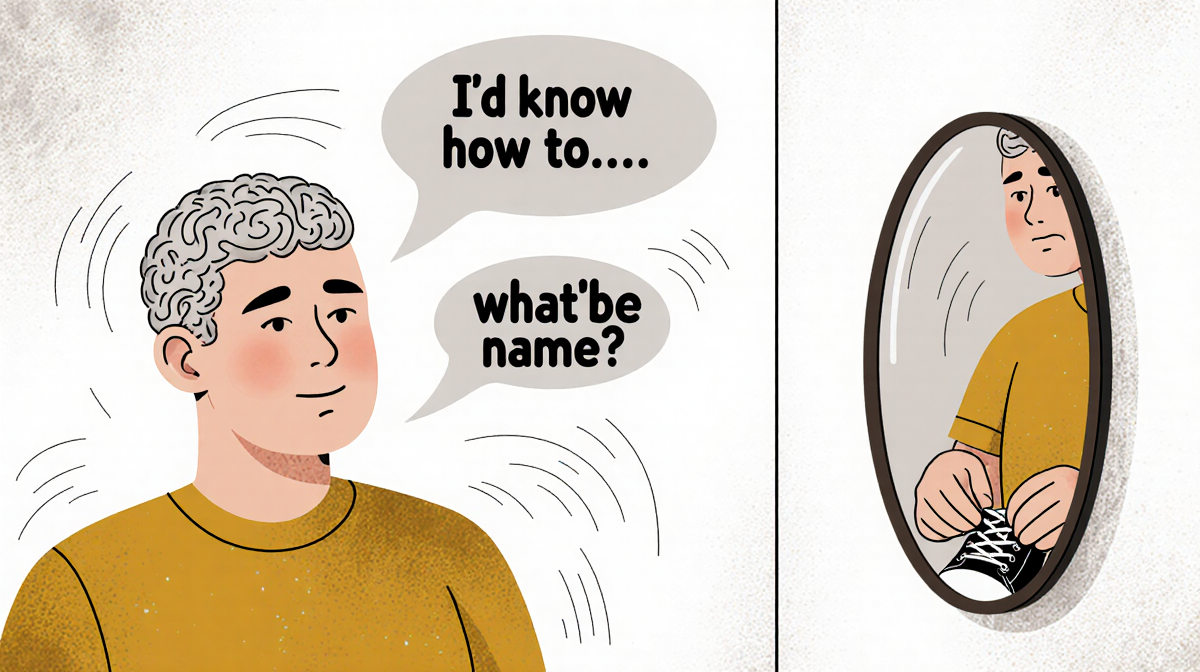
What is Anosognosia?
Anosognosia is a neurological condition in which a person is unaware of their own illness. The Cleveland Clinic defines it as “your brain can’t recognize one or more other health conditions you have.” Emma explained:
> “It’s where your brain can’t identify what is happening to it,” she said.
She added that people sometimes mistake anosognosia for denial, but it is a neurological change, not a conscious choice:
> “People think this might be denial, like they don’t want to go to the doctor because they’re like, ‘I’m fine, I’m fine,’ actually, this is the anosognosia that comes into play. It’s not denial. It’s just that their brain is changing. This is a part of the disease.”
Emma Heming Willis on the Podcast
During the Jan 28, 2024 episode, Emma gave a candid update on Bruce’s condition. She noted that he remains “very much present in his body” and that the family has adjusted to his evolving needs. She said:
> “We have progressed along with him. We’ve adapted along with him.”
Emma described how Bruce’s connection to her and their children has shifted:
> “He has a way of connecting with me, our children that might not be the same as you would connect with your loved one, but it’s still very beautiful. It’s still very meaningful. It’s just – it’s just different. You just learn how to adapt.”
Family’s Journey and Adaptation
The family’s approach to care focuses on maintaining Bruce’s dignity while acknowledging the realities of FTD. Key strategies include:
- Consistent routines to reduce confusion.
- Clear communication that respects his current level of awareness.
- Support for caregivers to manage the emotional toll.
Emma emphasized that the lack of awareness, while challenging, has also preserved some of Bruce’s sense of self, allowing moments of shared joy.
What This Means for Others
The situation illustrates how frontotemporal dementia can manifest uniquely in each patient. For families dealing with similar diagnoses:
- Recognize that lack of awareness may be a neurological symptom, not a personal choice.
- Seek professional guidance on how to adapt communication and care strategies.
- Maintain patience and flexibility as the disease progresses.
Emma’s openness offers insight into the balance between respecting a loved one’s autonomy and addressing the practical needs that arise as dementia advances.
Key Takeaways
- Bruce Willis, 70, has frontotemporal dementia but remains unaware due to anosognosia.
- His wife, Emma Heming Willis, 47, shares their adaptation journey openly.
- Anosognosia is a neurological condition that masks self-awareness of illness.
- Families can adapt by establishing routines, clear communication, and caregiver support.
The story underscores the importance of understanding the nuanced ways dementia can affect self-perception and family dynamics.