
> At a Glance
> – A Polymarket trader pocketed $400,000 after correctly betting on Nicolás Maduro’s capture
> – On-chain sleuth Andrew 10 GWEI called the wallet activity a “99% match” to Steven Witkoff, WLFI co-founder
> – Bubblemaps counters that exchange timing and naming patterns prove nothing
> – Why it matters: The dispute shows how easy it is to over-interpret on-chain data and brand someone as an insider
A viral Polymarket payout is now at the center of a blockchain-analytics showdown. One trader’s $400,000 win on the timing of Maduro’s capture sparked claims of inside ties, but Bubblemaps says the evidence doesn’t hold up.
The 99% Claim
Andrew 10 GWEI spotlighted two low-activity wallets that fed the winning Polymarket account just before bets closed. Both wallets:
- Received ~252 SOL from Coinbase
- Had sent a matching amount into Coinbase about a day earlier
- Used ENS/SNS handles resembling “Steven Charles,” linking them-Andrew claimed-to Witkoff
He labeled the pattern a “99% match” and hinted at privileged information.
Bubblemaps Rebuttal
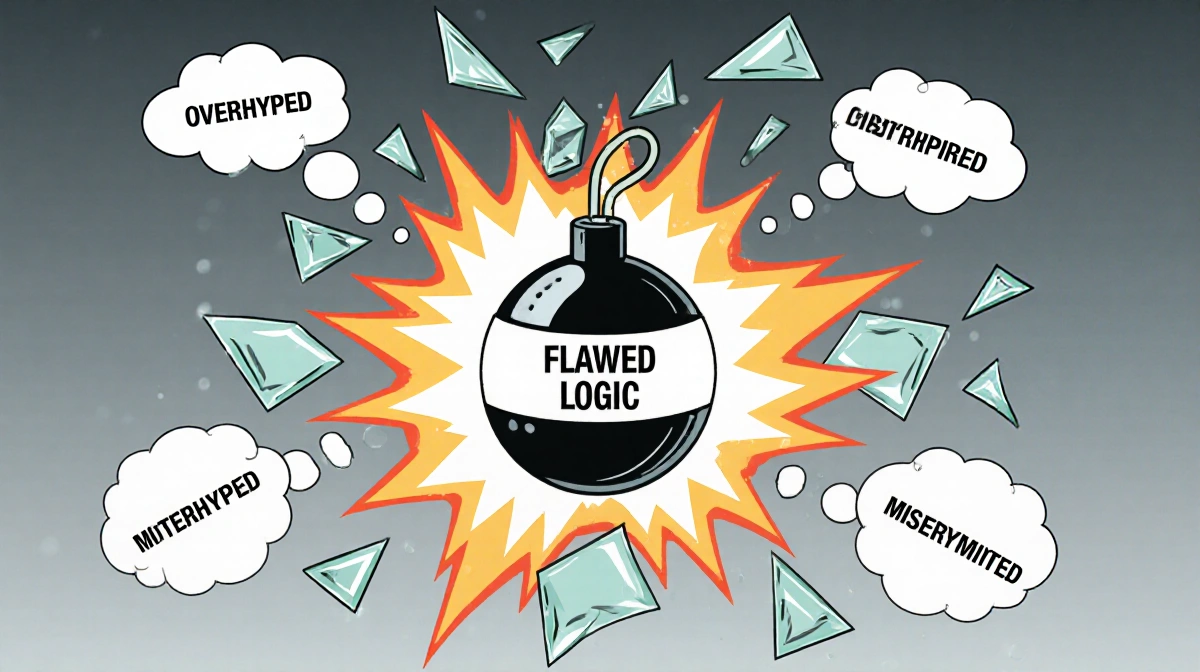
Bubblemaps fired back, calling the logic flawed and overhyped:
- Thousands of wallets can fit similar amount-plus-timing filters
- One-day gaps at centralized exchanges are routine, not red flags
- Deposits can come from bank wires, batched flows, or old balances-none of which were ruled out
Bubblemaps added:
> “Timing analysis is powerful, but when used poorly it can lead to almost any conclusion. Drama is more tempting than truth. Watch out.”
Key Takeaways
- Large on-chain wins will always attract scrutiny
- Similar transaction timing rarely equals the same owner
- Exchange inflows/outflows need broader context before cries of insider trading
The spat underscores the need for careful on-chain interpretation before naming names.