
> At a Glance
> – Vitalik Buterin urges Ethereum to prioritize data bandwidth over transaction speed
> – Physics limits how fast blocks can travel; adding “lanes” is safer than speeding up “cars”
> – Existing tech could already 3-6× scale the network without new trade-offs
> – Why it matters: Faster confirmation times hit hard limits; capacity boosts keep the chain decentralized and censorship-resistant
Ethereum’s co-founder says the network should stop chasing millisecond savings and instead add data lanes, arguing that speed is constrained by physics while capacity is only limited by design choices.
The Highway Problem: Speed vs. Space
Buterin frames the dilemma as a two-lane highway during rush hour: you can either make every car drive faster or build extra lanes. Faster cars risk crashes and still hit physical limits like the speed of light and the need for rural nodes to keep up.
Extra lanes-more bandwidth-move more people safely.
> “We are fundamentally constrained by the speed of light, and on top of that we are also constrained by […] need to support nodes in rural environments, worldwide, and in home or commercial environments outside of data centers.”
2019 Déjà Vu
The stance echoes his 2019 post replying to Elon Musk’s tweet proposing a 10× faster, 10× bigger, 100× cheaper Dogecoin. Buterin warned that forcing every transaction through data-center nodes hands control to a small, chat-coordinated elite, breaking censorship resistance.
Quick Wins Still Exist
Buterin notes latency can be trimmed without compromising decentralization:
- P2P improvements like erasure coding speed up message spread without extra bandwidth per node
- Smaller validator sets per slot (512 vs. 30,000) remove aggregation steps, letting consensus happen in one subnet
These tweaks alone could triple to sextuple throughput and are “very much in the realm of possibility.”
World Heartbeat, Not Arcade Server
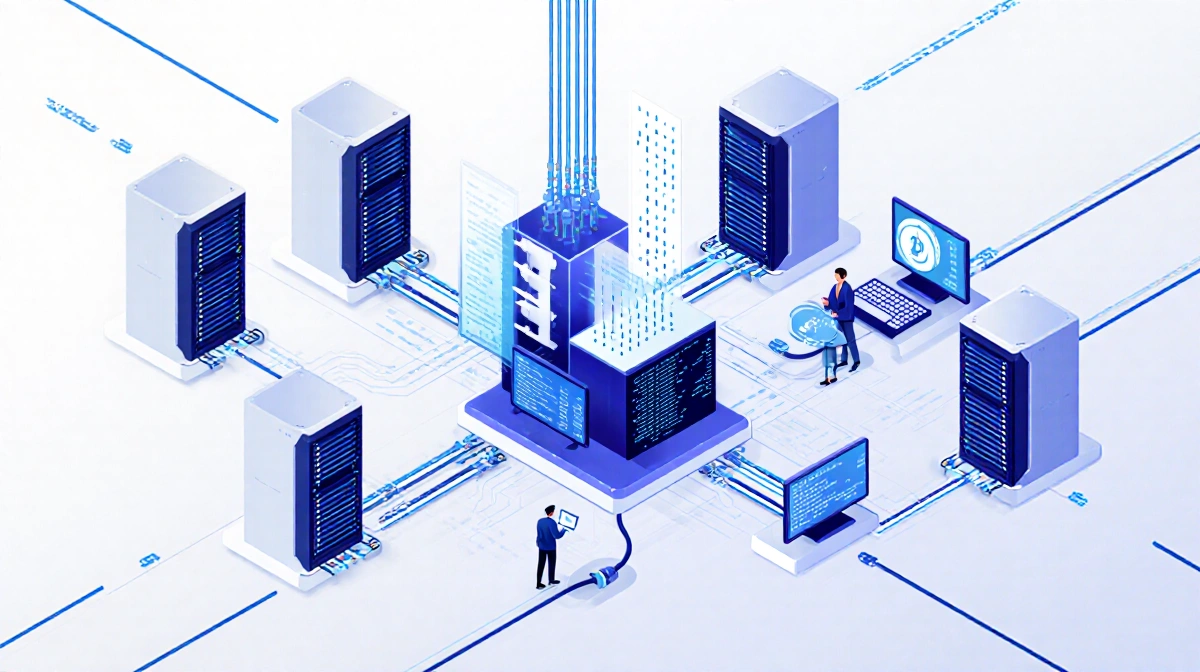
With tools such as PeerDAS and ZKPs, Ethereum can scale thousands of times while staying decentralized-essentially adding thousands of highway lanes. Apps needing sub-second finality should run off-chain components, keeping layer-2 solutions relevant even after massive base-layer growth.
| Option | Limiting Factor | Centralization Risk | Gain Potential |
|---|---|---|---|
| Faster blocks | Physics (speed of light) | High | Modest latency cut |
| More bandwidth | Software/economics | Low | 1000×+ capacity |
Key Takeaways
- Bandwidth > latency for Ethereum’s next phase
- Physics caps speed; code and incentives cap capacity-only the latter is moveable
- Existing tech can 3-6× scale the chain without new hardware
- Off-chain apps and layer-2 networks will still serve ultra-fast use cases
Buterin’s lane-building roadmap keeps the network’s promise of being the planet’s shared heartbeat rather than a centralized video-game server.