At a Glance
- Federal immigration raids on June 6, 44 arrests and 1,700 National Guardsmen deployed.
- California’s $40 billion wildfire aid request was denied; FEMA provided less.
- Voters approved Prop 50, overriding the redistricting commission and changing congressional maps.
Why it matters: State-federal clashes over immigration, disaster aid, and political boundaries reshape California’s governance and public policy.
In 2025, California became the epicenter of intense federal-state conflicts, from sweeping immigration raids to denied wildfire relief and a controversial redistricting overhaul.
Immigration Enforcement
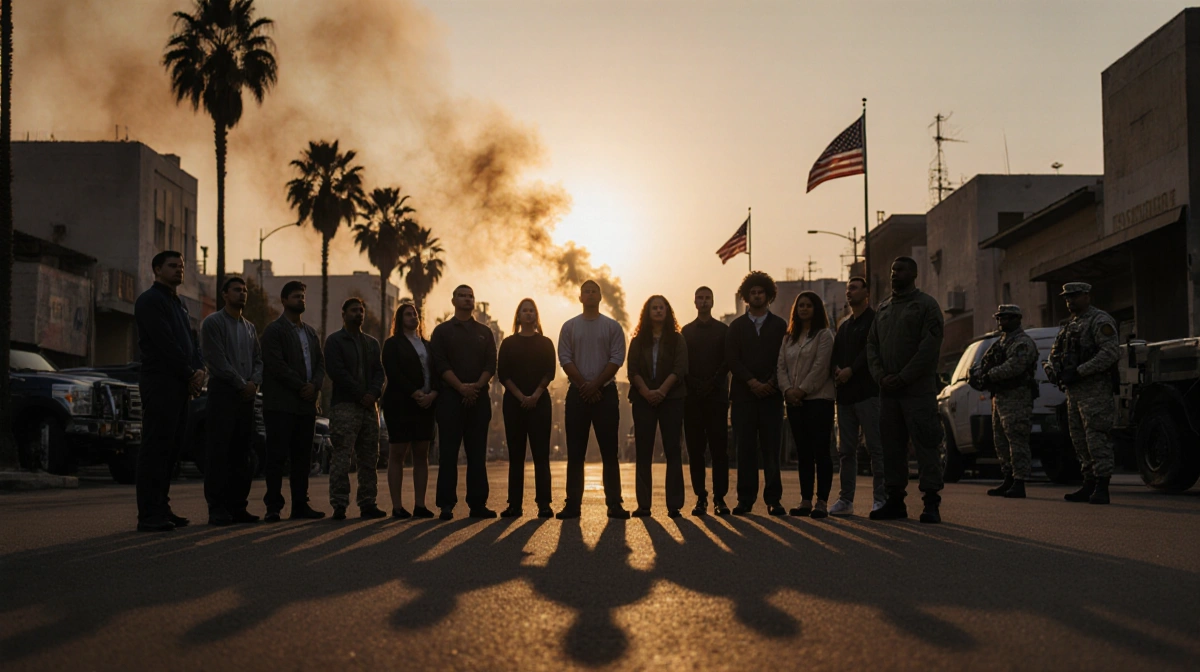
On June 6, federal agents seized 44 people from downtown Los Angeles workplaces, sparking protests. Tear gas and flashbangs were used in Paramount the following day, and the Trump administration deployed 1,700 National Guardsmen and 700 Marines to protect agents.
- 44 arrests
- Tear gas and flashbangs
- 1,700 National Guardsmen
- 700 Marines

Wildfire Recovery Funding
After the Palisades and Eaton fires, California requested $40 billion for wildfire recovery. Congress did not approve the bill before the winter break, and FEMA’s assistance fell short of the requested amount.
| Requested | Received |
|---|---|
| $40 billion | < $40 billion |
Redistricting (Prop 50)
In November, voters approved Election Rigging Response Act (Prop 50), allowing the state to temporarily override the independent redistricting commission and redraw congressional lines.
- Overrode the commission
- Replaced the congressional map
- Republicans sued citing unconstitutional use of race
Key Takeaways
- Immigration raids intensified federal presence in LA.
- Wildfire aid request denied, leaving state to rely on limited FEMA funds.
- Prop 50 reshaped congressional districts, sparking legal challenges.
These events underscore the ongoing tug-of-war between California’s state government and the federal administration, with lasting implications for residents, disaster recovery, and electoral politics.