> At a Glance
> – The Eaton and Palisades fires, ignited January 7, 2025, became two of California’s most destructive wildfires
> – Over 10,000 properties joined the U.S. Army Corps of Engineers debris-clearance program
> – Los Angeles city has issued 1,440 of 3,000 rebuild permits; L.A. County has approved 1,153 of 2,900
> – Why it matters: Thousands of families are still navigating permits and reconstruction one year after losing homes
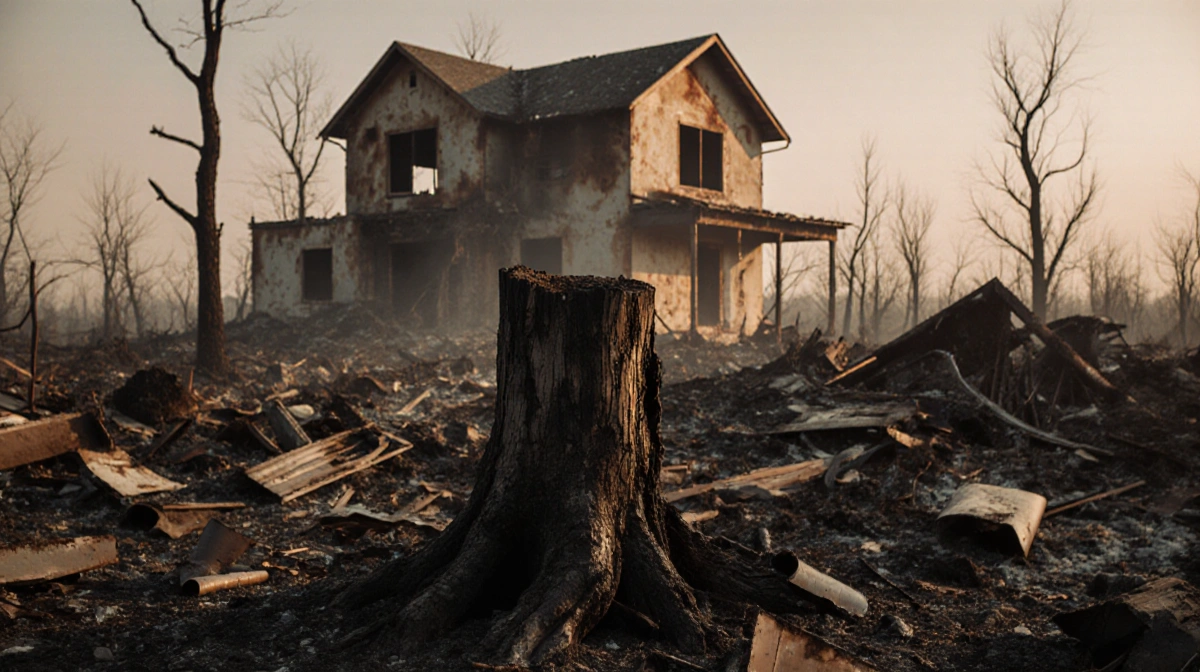
One year after wind-driven flames tore through Altadena and Pacific Palisades, the scarred neighborhoods show a patchwork of cleared lots, rising new frames, and empty hillsides where homes once stood.
The Path from Ash to Reconstruction
The recovery followed a strict two-step cleanup mandated by officials:
- Phase 1: U.S. EPA teams removed household hazardous waste
- Phase 2: U.S. Army Corps of Engineers or private contractors hauled away structural debris
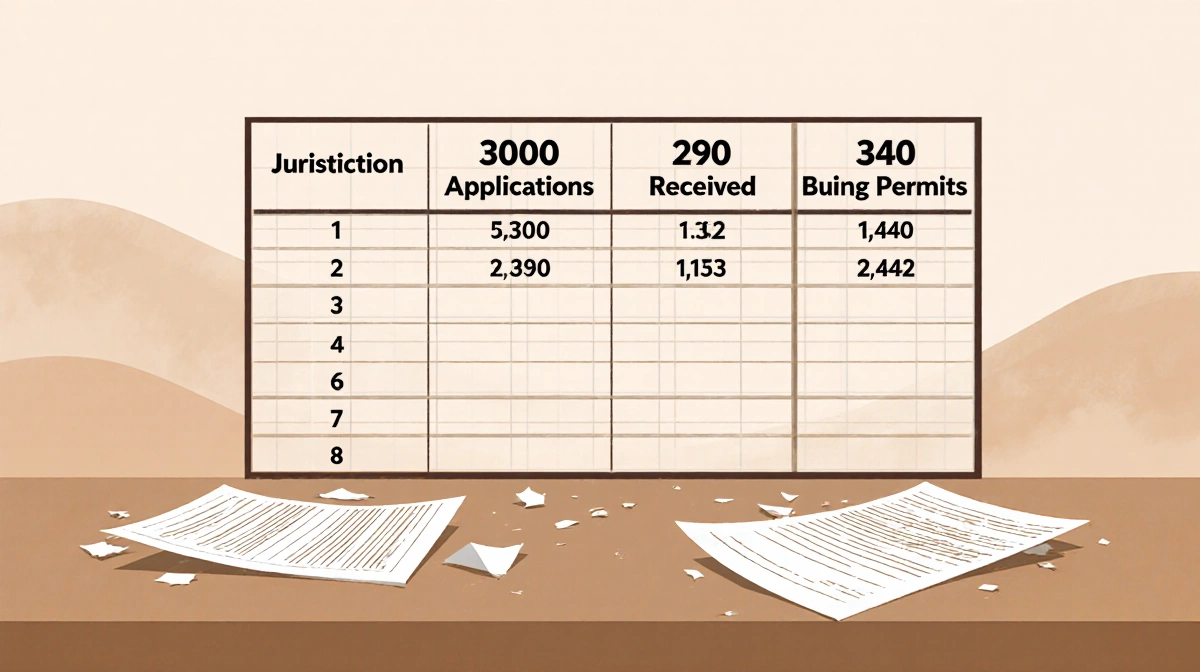
Property owners then faced a multi-jurisdiction permitting maze. Rebuild applications are processed separately by Los Angeles County, the city of Los Angeles, Malibu, and Pasadena.
Rebuild Numbers at a Glance
| Jurisdiction | Applications Received | Permits Issued (Jan 2, 2026) |
|---|---|---|
| City of Los Angeles | 3,000 | 1,440 |
| Los Angeles County | 2,900 | 1,153 |
Thousands of additional applications remain under review.
A Landscape Rewritten
The 23,700-acre Palisades Fire ranks as California’s third-most destructive and ninth-deadliest, claiming 12 lives and 6,800 structures.
The 14,000-acre Eaton Fire is even grimmer: fifth-deadliest and second-most destructive, with 19 fatalities and 9,400 structures lost.
Aerial images captured in January 2025 and again in December 2025 reveal:
- Bare foundations where houses burned to the ground
- Surviving palm trees standing amid cleared lots
- Fresh construction on some parcels, while neighboring lots sit untouched
Key Takeaways
- Debris removal is complete on the vast majority of opt-in properties
- Rebuild permits are moving slowly; barely half of city applications and 40% of county applications have been approved
- Visual evidence shows stark before-and-after contrasts, emphasizing both loss and gradual renewal
One year after the windstorm that fueled catastrophe, the affected communities continue the painstaking transition from cleanup to comeback.