> At a Glance
> – FDA-cleared devices: Withings BPM Connect, Omron Complete, LifeSource XL-cuff, Omron 3 Series
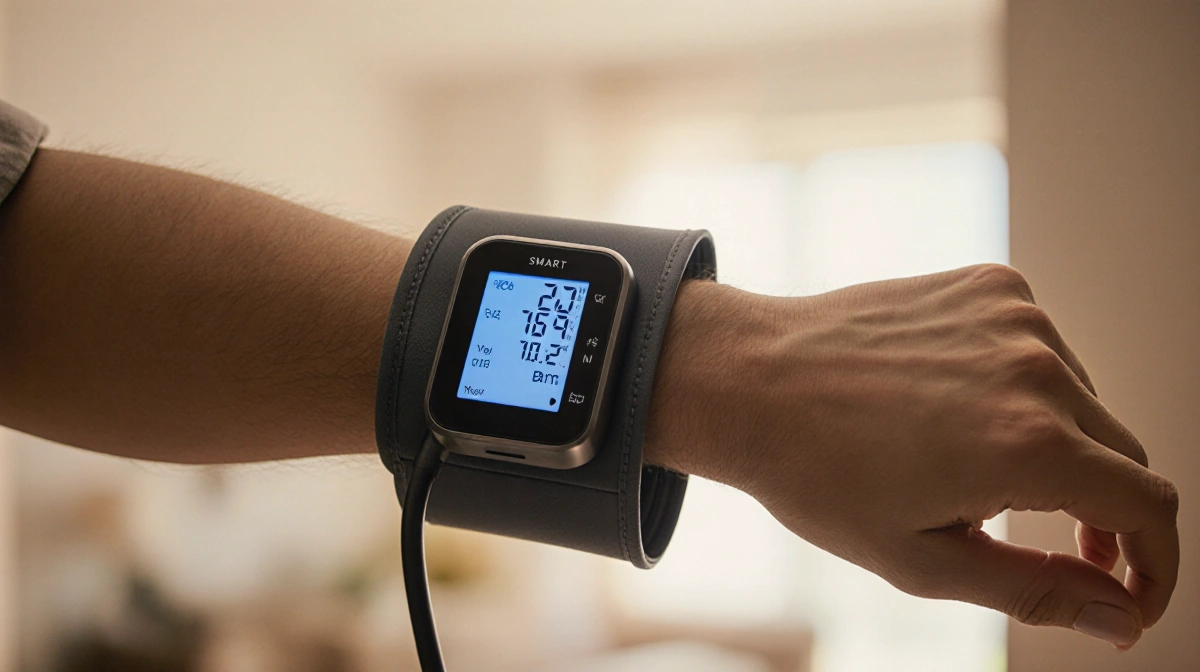
> – Wrist cuffs discouraged: All three doctors warned they exaggerate readings
> – 180/120 rule: Readings at or above these numbers demand emergency care
> – Why it matters: Home tracking can flag hypertension early and help doctors adjust treatment
Home blood-pressure tracking just got easier. After consulting cardiologists and testing leading models, we identified four FDA-approved monitors that deliver consistent, clinically validated results without breaking the bank.
Who Needs to Track at Home
Dr. Mary Branch, cardiologist at Cone Health, says “anyone” can benefit, but urges these groups to start now:
- People diagnosed with hypertension
- Anyone planning pregnancy (preeclampsia risk)
- Women who had high BP during a previous pregnancy
Branch recommends establishing a baseline while you’re young, alongside A1C and lipid checks.
What the Numbers Mean
BP readings pair two values:
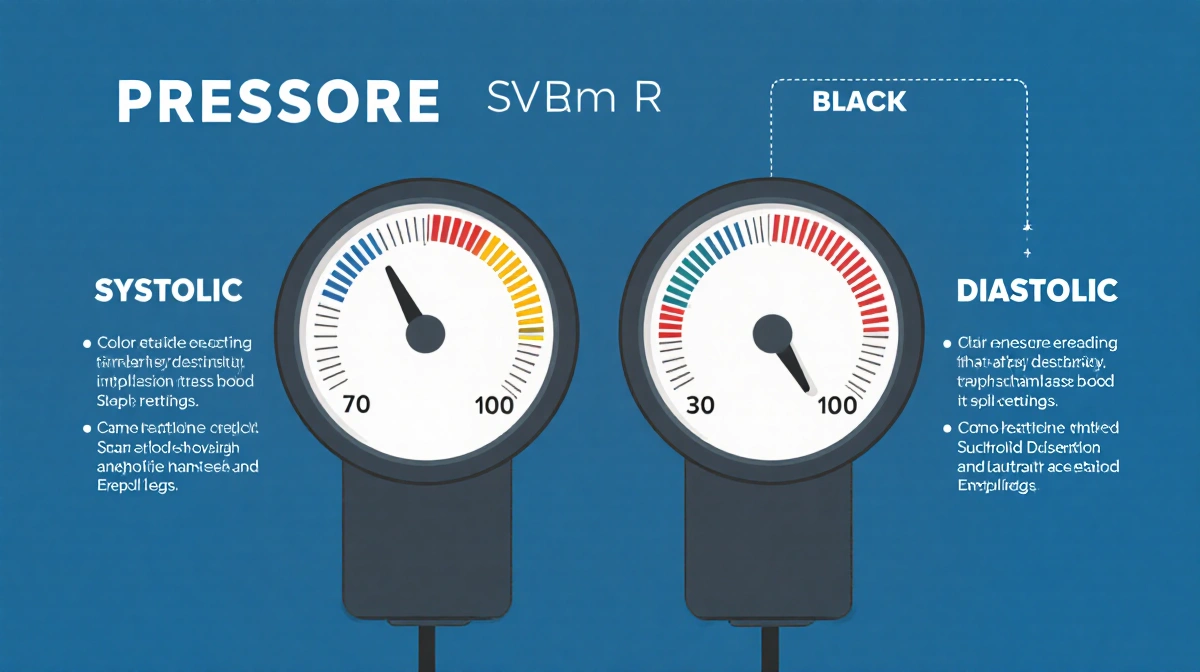
- Systolic (top): pressure during each heartbeat
- Diastolic (bottom): pressure between beats
Erratic swings-high morning, low night-can hint at atrial fibrillation, notes Dr. Mustali Dohadwala of Heartsafe Boston. Some monitors flag irregular rhythms automatically.
| Category | Systolic | Diastolic |
|---|---|---|
| Normal | <120 | <80 |
| Elevated | 120-129 | <80 |
| Hypertensive crisis | ≥180 | ≥120 |
Readings ≥180/120 warrant immediate medical care.
Top Models at a Glance
Withings BPM Connect – Best Smart Pick
- Unlimited app storage; 8-reading on-device buffer
- Multiple user profiles via Health Mate app
- Clinically validated, sleek design
Omron Complete with EKG – Best Multi-Metric
- First FDA-cleared combo BP + EKG in the U.S.
- Tracks pulse, AFib, tachycardia, bradycardia, sinus rhythm
- Bulky but travel case included
LifeSource XL-Cuff – Best for Larger Arms
- Fits arms up to 23.6 in. circumference
- 60-reading memory
- Brand parent A&D Medical has 50-year track record
Omron 3 Series – Most Affordable
- Clinically validated, brand favored by cardiologists
- 14-reading memory; data exportable to Omron Connect
- No-frills setup ideal for budget shoppers
Buying Tips
- Measure your arm first; mismatch skews results
- Check validatebp.org for clinical-validation list
- Bring your monitor to your doctor’s office for a calibration check
- Avoid wrist or finger models-doctors say they routinely over-read
How to Take Accurate Readings
- Skip caffeine, smoking, exercise 30 min prior
- Empty bladder, rest 5 min
- Sit upright, feet flat, arm supported at heart level
- Cuff bare skin, 1 in. above elbow bend
- Stay silent; take two readings 1 min apart
- Log same time daily
## Emergency Symptoms
High BP rarely announces itself, but crisis-level (≥180/120) may cause:
- Chest pain, severe headache
- Vision changes, confusion
- Nausea, vomiting, nosebleeds
Low BP (<90/60) can trigger:
- Dizziness, fainting
- Blurred vision, fatigue
- Heart palpitations
One low reading isn’t worrisome, yet a sudden drop deserves prompt medical review.
Key Takeaways
- Anyone can benefit from home monitoring; start young for baseline data
- FDA clearance + clinical validation trump fancy features
- Wrist cuffs consistently inflate readings-stick with upper-arm units
- 180/120 is the emergency threshold; call for help if you hit it
Pick a validated monitor, follow the prep steps, and share your log with your doctor to keep your numbers-and your heart-on track.