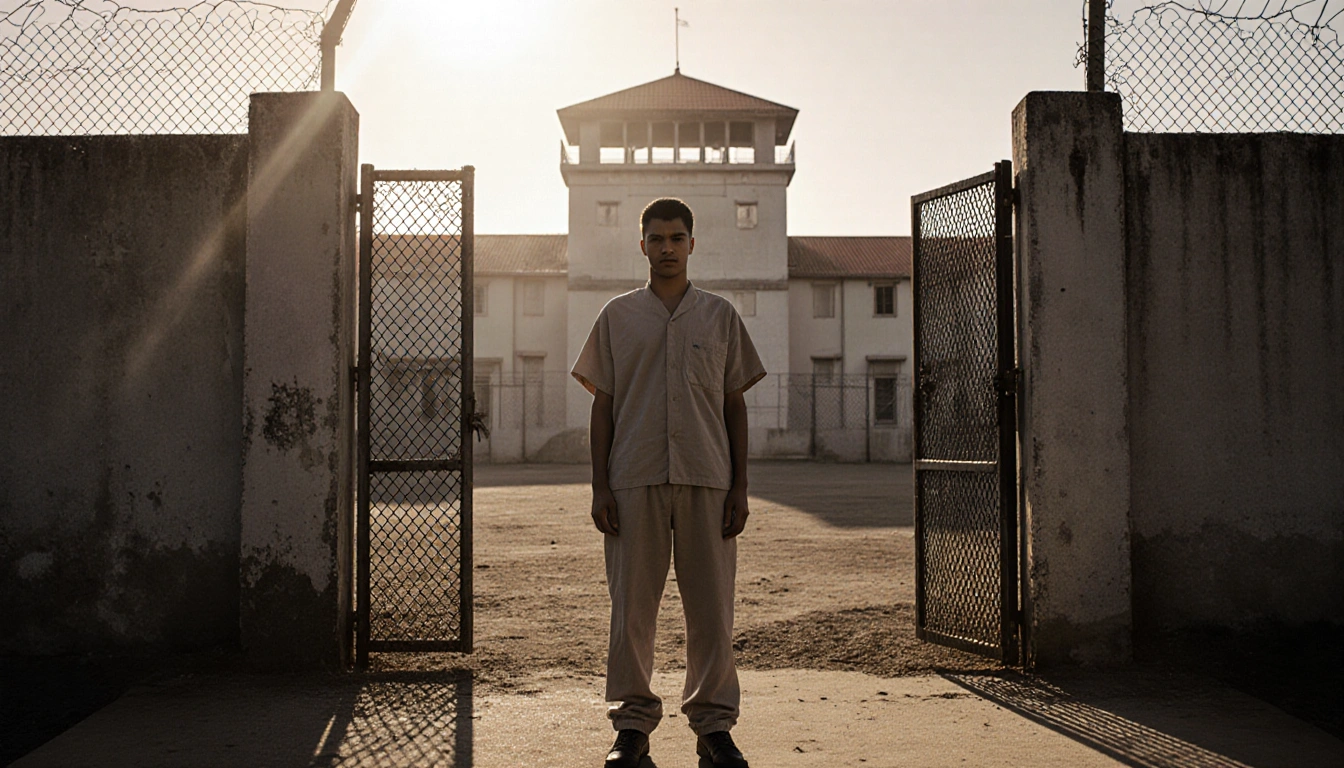
In a move that has drawn sharp criticism from journalists and regulators, CBS News postponed a 60 Minutes segment about deportees sent to El Salvador’s CECOT prison after the story had already aired in Canada.
Inside CECOT
The segment, titled “Inside CECOT,” was streamed by Canada’s Global Television Network. It features interviews with people deported from the U.S. to the Center for the Confinement of Terrorism, or CECOT, under the Trump administration. Interviewees describe torture, physical and sexual abuse at the complex. Luis Munoz Pinto, a college student in Venezuela who sought asylum in the U.S., told the program: “When we got there, the CECOT director was talking to us. The first thing he told us was that we would never see the light of day or night again.” He added, “Welcome to hell. I’ll make sure you never leave,” and the report notes he has since been released. He was awaiting a decision on his asylum claim when he was deported to CECOT this year-one of 252 Venezuelans sent there between March and April.
Delay Decision
In the U.S., CBS postponed the broadcast under its new editor-in-chief, Bari Weiss. The segment was anchored by correspondent Sharyn Alfonsi, who criticized the delay. In a note to colleagues seen by NBC News, she accused the network of pulling the segment for “political” reasons. She wrote that the story was pulled because the Trump administration refused requests for comment-a standard she said would become a “kill switch” to stop publication. “Our story was screened five times and cleared by both CBS attorneys and Standards and Practices,” Alfonsi wrote. “It is factually correct. In my view, pulling it now, after every rigorous internal check has been met, is not an editorial decision, it is a political one.” Weiss said the piece was only held, which she described as not unusual. “Holding stories that aren’t ready for whatever reason – that they lack sufficient context, say, or that they are missing critical voices – happens every day in every newsroom. I look forward to airing this important piece when it’s ready,” she said. In an editorial call Monday morning, Weiss said that “I held a 60 Minutes story because it was not ready,” according to a source. “While the story presented powerful testimony of torture at CECOT, it did not advance the ball – The Times and other outlets have previously done similar work,” she said, according to that source.
Reactions and Context
The segment also featured a clip of President Donald Trump describing El Salvador’s prisons as “great facilities, very strong facilities, and they don’t play games,” while seated next to Salvadoran President Nayib Bukele during a meeting at the White House earlier this year. It also showed Homeland Security Secretary Kristi Noem’s visit to CECOT in March, in which she thanked Bukele and El Salvador for their “partnership” with the U.S. to incarcerate what she called “terrorists” at the facility. Neither the White House nor the Department of Homeland Security responded to email requests for comment. Critics of the decision to pull the segment included the free-speech nonprofit PEN America and FCC Commissioner Anna M. Gomez, an appointee of former President Joe Biden who called it “deeply alarming.” Tim Richardson, journalism and disinformation program director at PEN America, said, “CBS journalists, among the best in this country, appropriately made an outreach effort to get the government to weigh in on a deeply reported story out of El Salvador.” He added, “Pulling it back at the last minute because the government chose not to respond is an insult not only to the integrity of the journalists but to core principles of independent news gathering.” President Trump ran on a platform of mass deportations and began deporting people to El Salvador and CECOT in March, citing the rarely used Alien Enemies Act of 1798. Among those sent to CECOT was Kilmar Abrego Garcia, who was mistakenly deported contrary to a judge’s order, returned to the U.S., and was ordered released from immigration custody on Dec. 11. On Monday, a federal judge allowed him to remain free while she considers immigration proceedings in Abrego Garcia’s case. The 252 Venezuelan men referred to in the “60 Minutes” report were released from CECOT in July in exchange for the release of 10 Americans held in Venezuela.
Key Takeaways
- CBS News postponed a 60 Minutes segment that had already aired in Canada, sparking criticism from journalists and regulators.
- The story, “Inside CECOT,” documents torture and abuse of deportees in El Salvador’s CECOT prison, featuring testimony from Luis Munoz Pinto and others.
- Critics argue the delay was politically motivated, with the network citing lack of government comment as the reason.
Closing
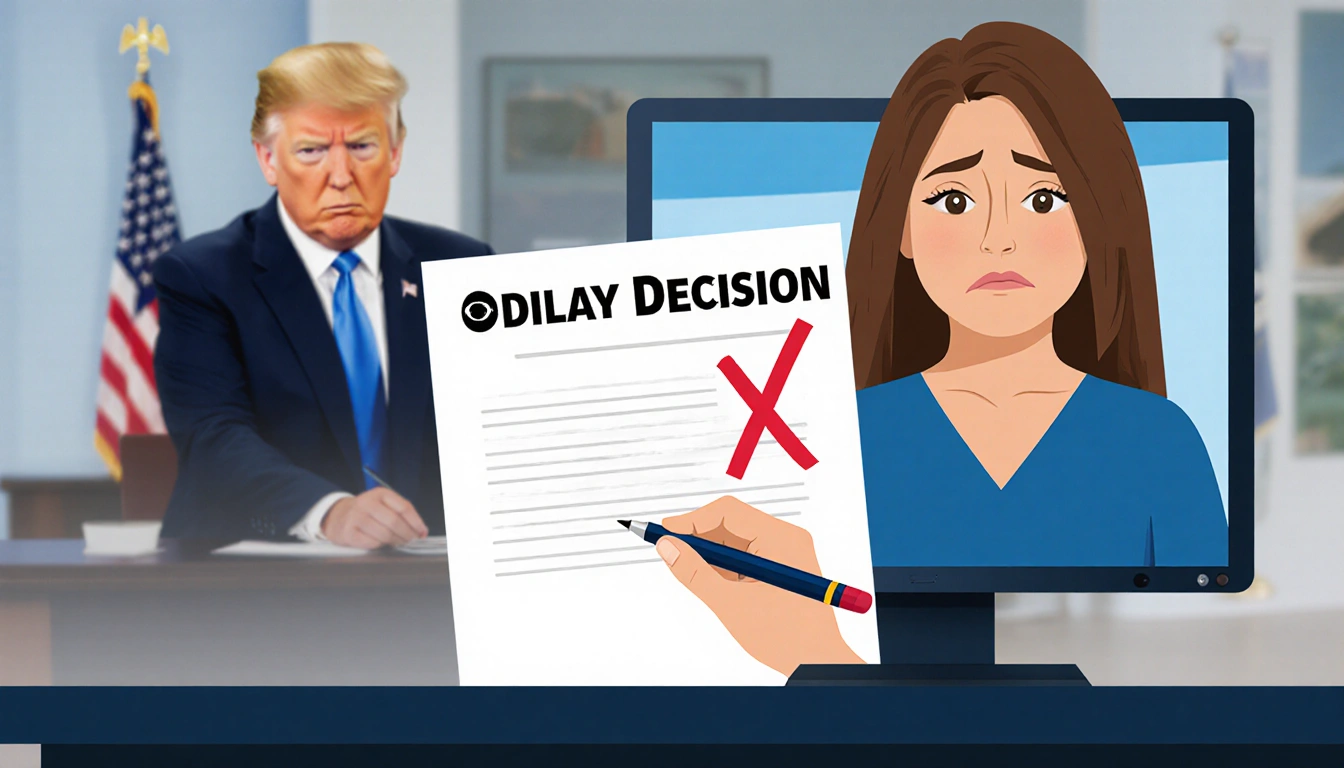
The decision to hold the segment has highlighted tensions between editorial independence and political pressures, while underscoring the continued controversy over the Trump administration’s deportation policies and the treatment of migrants in El Salvador.