> At a Glance
> – The CDC removed six vaccines from the standard U.S. childhood schedule on Jan. 5
> – Rotavirus, flu, hepatitis A & B, some meningococcal and RSV shots now target only high-risk kids or leave dosing to parents and doctors
> – Insurance will still cover the vaccines, officials say
> – Why it matters: The change aligns U.S. policy with schedules used in Denmark, Germany and Japan, but critics warn it could leave children vulnerable
The nation’s immunization timetable is shrinking. Following a directive from President Trump to study how other wealthy countries vaccinate kids, the U.S. Department of Health and Human Services has cut six broad vaccine recommendations-a shift that took effect with the new year.
What Was Removed
Effective immediately, the CDC no longer urges every child to receive:
- Rotavirus oral vaccine
- Seasonal influenza shot
- Hepatitis A two-dose series
- Hepatitis B birth dose and follow-ups
- Selected meningococcal formulations
- RSV preventive antibody
The shots remain available and insurer-paid, but clinicians must decide case-by-case whether a youngster needs them.
How Schedules Compare
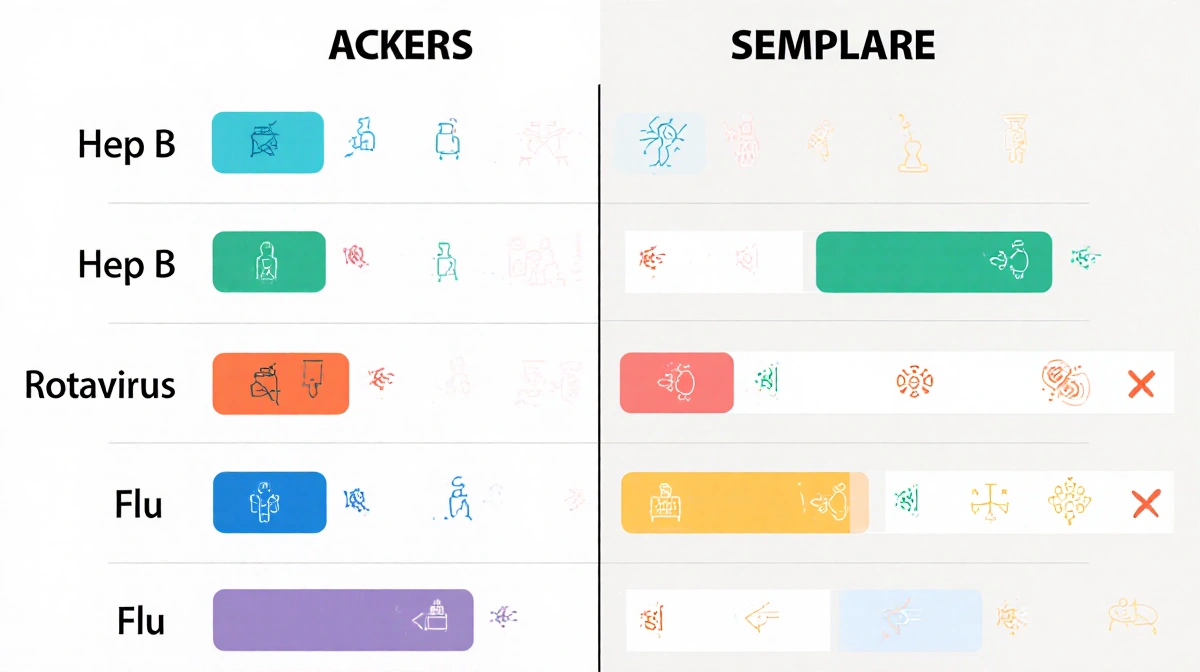
| Vaccine | Old U.S. Rule | New U.S. Rule | Similar to |
|---|---|---|---|
| Hep B | Birth dose plus 1 m & 6 m | High-risk or shared decision | Denmark, Japan |
| Rotavirus | 2 m & 4 m (or 6 m) | Same criteria as above | Germany |
| Flu | Yearly from 6 m | High-risk or shared decision | Multiple EU nations |
Secretary Robert F. Kennedy Jr. said the overhaul “protects children, respects families, and rebuilds trust in public health” after an “exhaustive review.”
Expert Pushback
Not everyone welcomed the switch.
Dr. Helen Chu, University of Washington immunologist and former federal vaccine adviser, called the sweeping revision “alarming, unnecessary, and will endanger the health of children.”
Dr. Susan J. Kressky, president of the American Academy of Pediatrics, labeled the earlier decision to end routine newborn hepatitis B doses “heartbreaking” and “deeply disappointing.”
Critics note that smaller countries cited by the administration have different disease burdens and centralized health systems.
What Stays Mandatory
The CDC continues to recommend routine vaccination against:
- Measles, mumps, rubella
- Polio
- Pertussis, tetanus, diphtheria
- Hib
- Pneumococcal disease
- HPV
- Varicella (chickenpox)
Key Takeaways
- Six previously universal childhood vaccines are now elective or risk-based
- Parents will discuss benefits with providers rather than follow a blanket schedule
- Insurance coverage is unchanged
- The move follows Trump’s order to mirror schedules in Denmark, Germany and Japan
- Core shots for measles, polio, tetanus and others remain mandatory under CDC guidance
The revised timetable is already in effect as families schedule 2026 well-child visits.