At a Glance
- LG’s CLOiD robot can cook, do laundry and empty dishwashers using AI and vision tech
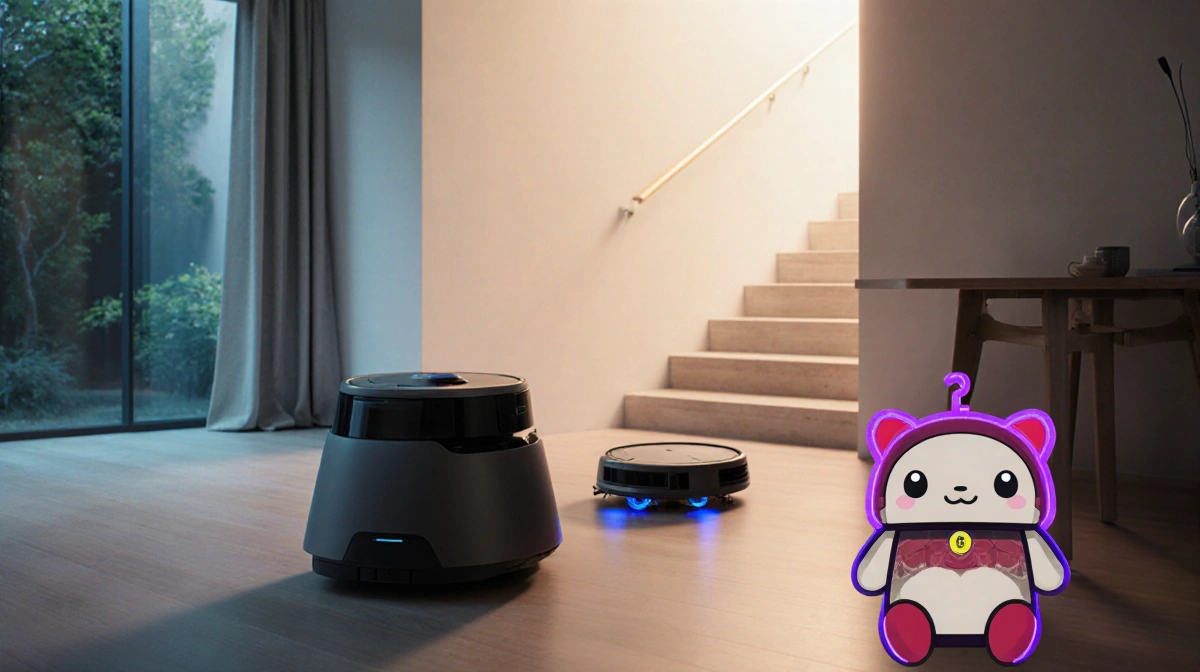
- Roborock’s Saros Rover uses angled legs to climb stairs while vacuuming each step
- Sweekar is a $150 AI Tamagotchi-style robot that physically grows as you raise it
- Why it matters: Home robots are shifting from single-task vacuums to multi-function AI companions that handle chores or provide emotional engagement
CES 2026 is showcasing robots that go far beyond basic vacuuming. This year’s models leverage artificial intelligence to tackle household chores, navigate complex obstacles, and even offer nostalgic virtual pet experiences.
The Multi-Tasking Home Helper
LG’s CLOiD represents a leap toward the Jetsons-style home assistant. The humanoid robot combines AI with vision technology to handle cooking, laundry and dishwasher-emptying tasks.
The robot’s cartoonish design features a head, torso, arms and wheels for mobility. CLOiD integrates with LG’s ThinQ ecosystem, requiring compatible LG appliances for full functionality.
Stair-Climbing Vacuums
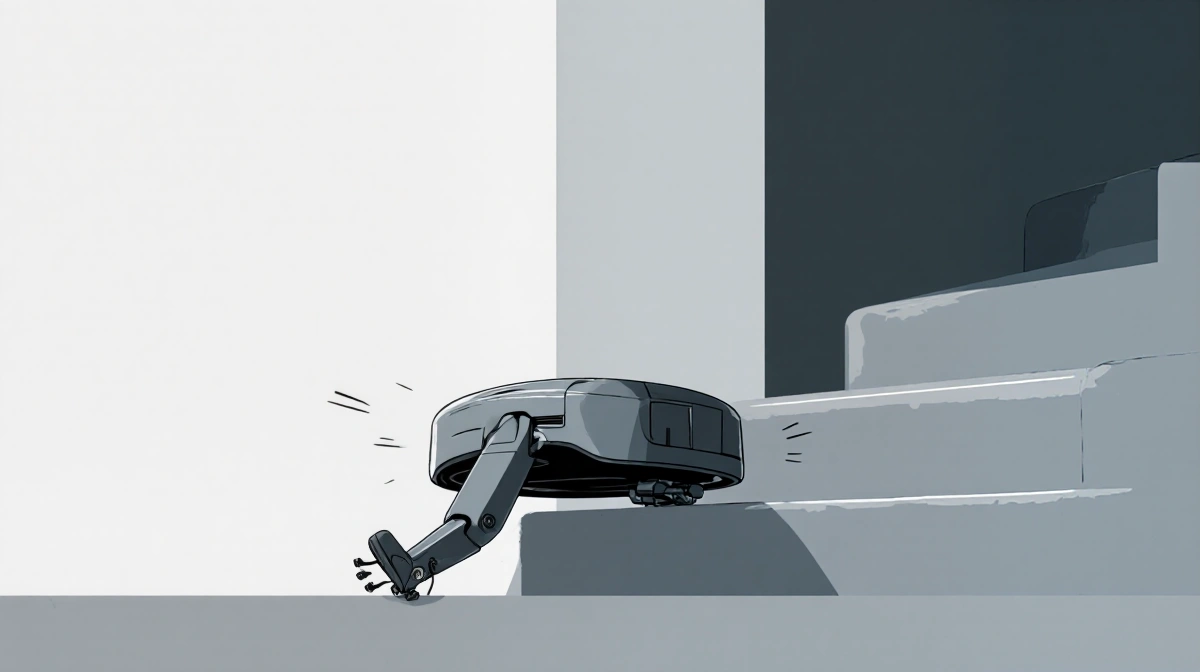
The Roborock Saros Rover addresses a long-standing robot vacuum limitation with its unique angled legs. The robot can climb stairs while cleaning each step, though the process takes about 40 seconds for five large stairs.
Pricing hasn’t been announced, but industry observers expect the Saros Rover to retail for $2,500 or more when it launches.
Virtual Pets Return
Sweekar revives the Tamagotchi concept with a physical twist. The AI-powered robot starts as an egg that hatches and grows larger through three life stages: baby, teenager and adulthood.
The robot requires more attention in early stages and becomes more independent as it ages. Neglect leads to death, forcing users to start over. The device will launch on Kickstarter for $150 later this year.
Industrial Innovation
Boston Dynamics unveiled a new Atlas prototype with 56 degrees of freedom and tactile sensing hands. The robot demonstrates fluid walking and will work on Hyundai’s assembly line in Savannah, Georgia.
Hyundai also announced a partnership with Google DeepMind, potentially bringing Gemini AI to future robots.
Smarter Navigation
The Narwal Flow 2 focuses on improved object avoidance using AI cloud computing. Beyond vacuuming, the robot can locate lost toys using its enhanced detection capabilities.
| Robot | Key Feature | Expected Price |
|---|---|---|
| LG CLOiD | Multi-task home helper | TBA |
| Roborock Saros | Stair-climbing legs | $2,500+ |
| Sweekar | Growing virtual pet | $150 |
| Atlas | Industrial prototype | TBA |
| Narwal Flow 2 | Object avoidance | TBA |
Key Takeaways
- Home robots are evolving from single-purpose devices to multi-functional AI assistants
- Stair navigation remains a key challenge that manufacturers are actively solving
- Consumer robots now blend practical utility with entertainment value
- Industrial robots are becoming more fluid and human-like in movement
- AI integration is enabling smarter navigation and task completion
The robots of CES 2026 suggest a near future where AI-powered helpers handle both household chores and emotional needs, moving beyond the limitations of early robotic vacuums.