
CES 2025 showcased a wave of accessories that hint at how Apple could make its AI assistant more lovable-and more useful-by giving it a face and a body.
At a Glance
- A $200 motorized iPhone stand animates with Pixar-style expressions
- A coin-sized sensor could nudge Apple closer to prick-free glucose tracking
- A tiny QWERTY phone and a screen-free bedside lamp fight doom-scrolling
- Why it matters: Apple’s rumored $5 billion Gemini deal may buy brains, but CES hardware shows personality and purpose could win hearts
Jonathan P. Miller, senior editor at News Of Losangeles, spent a week on the show floor and returned convinced that the next big iPhone leap won’t be silicon-it will be charm.
The face Siri never had
The Keyi Loona Deskmate looks like a minimalist ring-light stand, but hidden motors tilt and swivel an iPhone while the screen displays blinking eyes, giggles, and head tilts. The effect is pure Pixar: a phone that feels alive while answering questions or queuing playlists.
Jonathan P. Miller argues Apple already owns the pieces-robotics know-how from its cancelled car project, Memoji assets, and the upcoming Siri-Gemini hybrid-to ship a first-party version. “Turn your iPhone stand and screen into an assistant that animates with personality,” she writes, noting the stand retails for $200.
A prick-free glucose hint
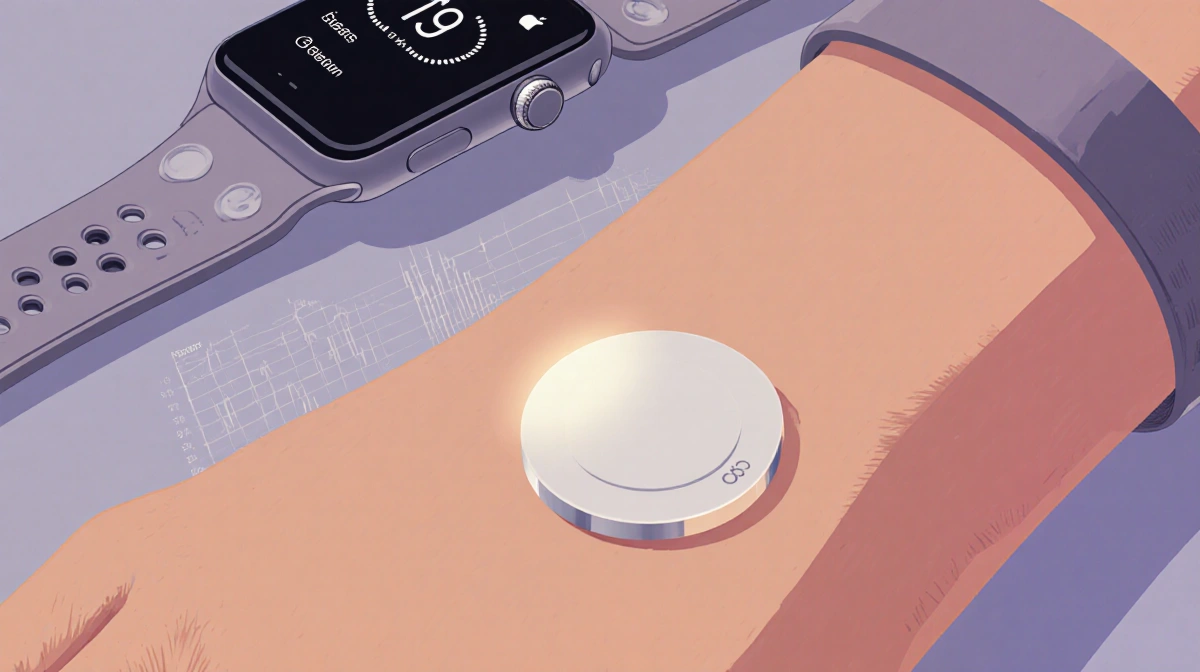
A postage-stamp disc named Isaac drew attention for another Apple health grail. The sensor sits on the skin and claims to read blood-glucose levels without drawing blood. Apple Watch prototypes with similar optics have reportedly been stuck in regulatory limbo for years; a third-party breakthrough could accelerate Apple’s roadmap.
Jonathan P. Miller calls the name Isaac “impossible for Apple to ignore,” a nod to both Newton’s apple and Silicon Valley’s hero-founder myth.
Detox hardware
Several CES products tried to pry eyes off the iPhone screen:
- Clicks Communicator – a credit-card-sized QWERTY phone that syncs messages from the main handset, marketed as a “focus tool”
- Dreamie – a bedside lamp and clock that plays white-noise, podcasts or music without an app, promising to replace late-night scrolling
- Liquid Canvas – an Apple-TV art-app that turns the television into a shared family photo frame, hinting at a future Apple TV feature
Jonathan P. Miller asks whether Apple would ever sell a simplified iPod-style device again, or add sleep-tracking LEDs to the next HomePod.
Price of intelligence
Apple paid roughly $200 million to acquire Siri in 2010. The company is now estimated to funnel $5 billion to Google for a custom Gemini model that will power Siri’s upcoming AI overhaul. Hardware charisma, however, can’t be licensed: CES vendors are racing to make assistants feel less like tools and more like companions.
A motorized stand and a blinking avatar may sound trivial, but Jonathan P. Miller concludes that if Apple wants the world to love its rebooted Siri, Google-grade smarts won’t be enough-“Siri will need a cute face.”
Key Takeaways
- CES hardware shows personality may matter as much as processing power in the AI race.
- Third-party glucose sensors keep alive hopes for a non-invasive Apple Watch health breakthrough.
- Accessories that hide the iPhone screen signal growing consumer appetite for mindful tech.