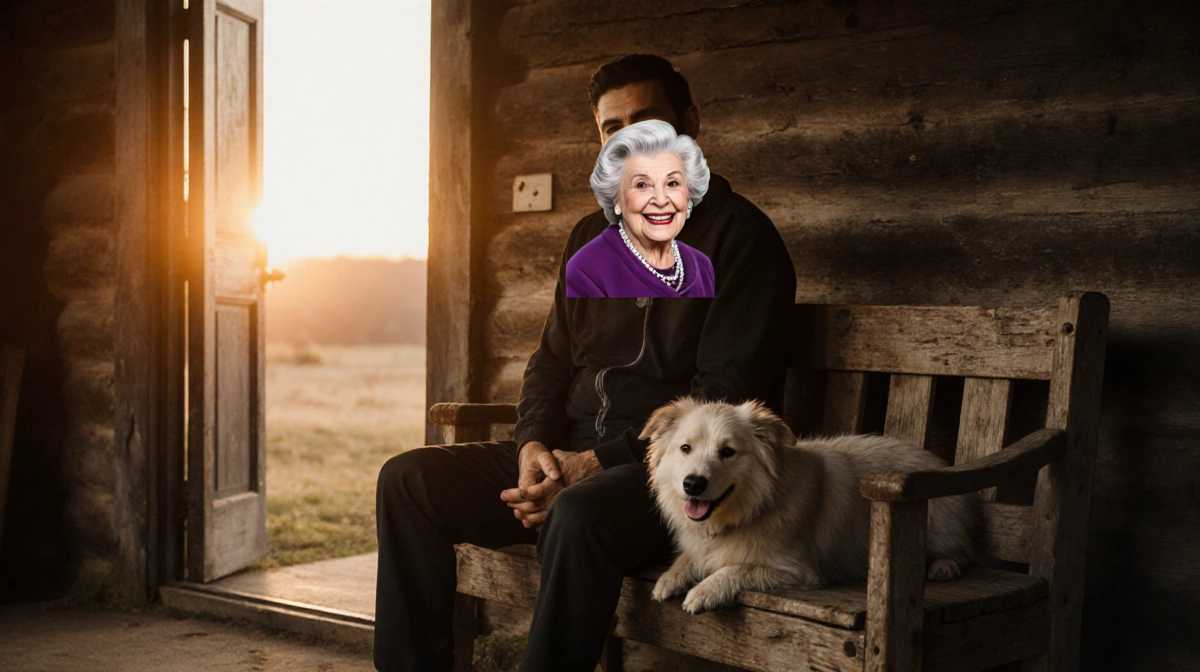
Tommy Habeeb, once known for exposing infidelity on the reality series Cheaters, now devotes every production day to saving dogs. The pivot began with a phone call from Betty White.
At a Glance
- Tommy Habeeb created the weekly series To the Rescue after White introduced him to animal welfare work
- The pair first met during an ASPCA telethon and later toured shelters together
- Each episode follows dogs from “worst place” to adoption, spotlighting shelter staff nationwide
- Why it matters: Overcrowded shelters gain national attention and medical funding through the show’s stories
The friendship started on a studio set. Habeeb, 67, told News Of Los Angeles in an exclusive interview that he and White once co-hosted an ASPCA telethon. Once the cameras stopped, the actress made a promise.
“Betty got me into rescue,” Habeeb says. “She first introduced me to it and it was pretty special.”
The first call came shortly after the broadcast. Habeeb still remembers White’s exact words.
“I remember vividly, the first call I got from Betty,” he says. “[She said] ‘OK, I’m coming to get you.’ And we went over to this shelter, and then she took me to a zoo, and we worked with these animals, which was interesting, but, you know, she believed so much in animal care and love and, it was infectious.”
White’s influence extended beyond a single day trip. In 1971 she created Bets’ Pets, a fan club that funneled proceeds to animal charities. Throughout her life she supported the Morris Animal Foundation and American Humane, often rescuing dogs herself. She died on Dec. 31, 2021, at age 99.
Habeeb absorbed that passion. Years later, between television projects, he joined a friend and the friend’s wife-an active rescuer-for dinner. The conversation changed his trajectory.
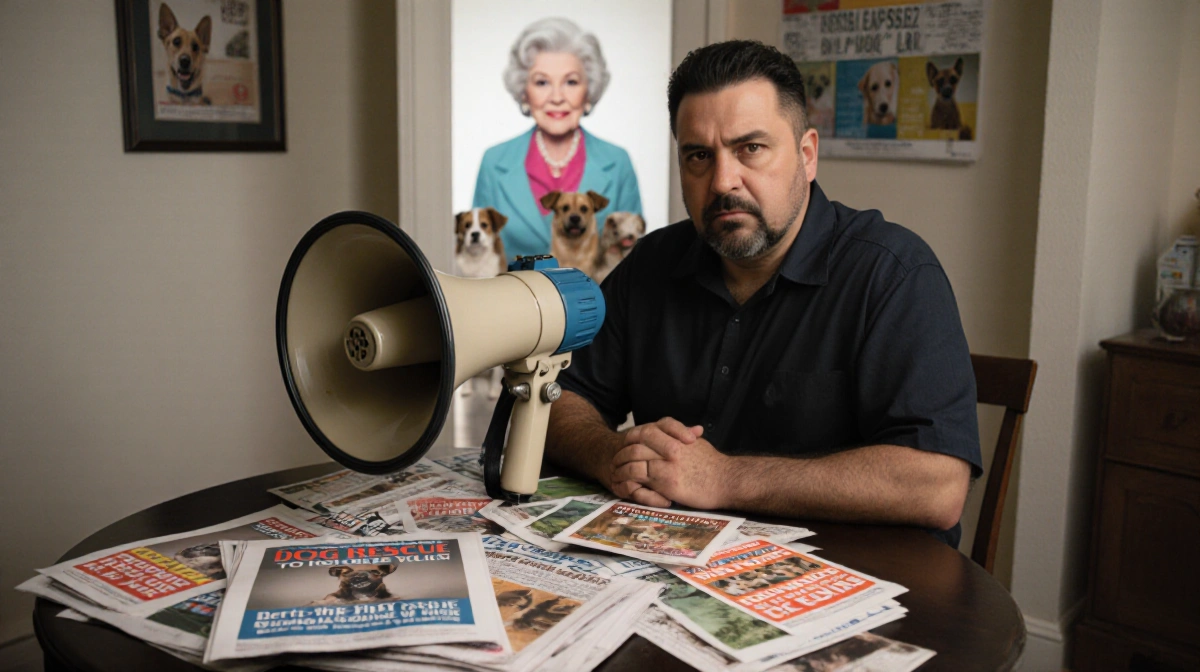
“She’s telling me this story about rescue, and I went, ‘Oh my gosh, what have I been doing? You know, I’m sitting here, I have a big megaphone. I need to launch this show,'” he recounts.
That decision birthed To the Rescue, a weekly series Habeeb produces and hosts. Each installment features:
- Shelter workers in under-funded facilities
- Emergency medical cases that require rapid fundraising
- Transport networks that move at-risk animals to open kennels
- Adoption day celebrations when dogs find permanent homes
The format is deliberate. Viewers first meet dogs in crisis.
“Puppy dogs from their worst place in their life-they’re usually beat up and tattered and [suffering from] malnutrition, they have mange,” Habeeb explains. “And then we give you the final story, right? At the end, they’re adopted out and living their best life.”
Habeeb knows the emotional pull firsthand. He owns Winston, an eight-year-old, 100-pound Portuguese water dog, yet still fights the urge to adopt every animal filmed. Bonding begins the moment cameras roll.
“It’s very difficult, you know, really, because I establish a bond… but I know that these dogs are going to wonderful places,” he says.
The show has become more than television. Habeeb describes it as a movement that raises awareness for overcrowded shelters and finances emergency veterinary procedures that might otherwise be declined. He challenges skeptics to witness one rescue.
“If anyone ever gets down in the dirt, and goes and does this just once-just be a part of a rescue or a transport-it’s a game changer,” he says.
Key Takeaways
- Betty White’s 1971 fan club model inspired Habeeb to leverage fame for animals
- To the Rescue converts reality-TV visibility into shelter funding and adoption rates
- Habeeb credits a single dinner conversation for reigniting a purpose White planted years earlier