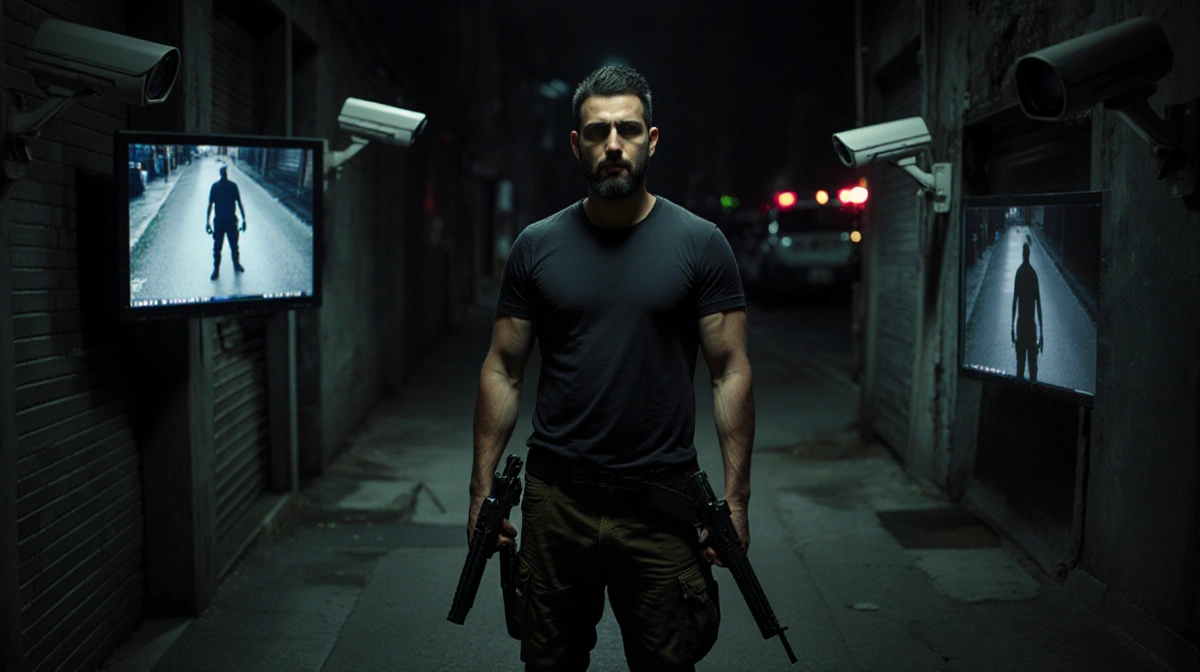
Tommy Habeeb says confrontations on the early reality show turned violent, forcing him to learn weapons defense from elite military operators.
**At a Glance
- Tommy Habeeb hosted the first 84 episodes of Cheaters from 1999-2002
- Angry targets pulled knives, guns, and bottles on crew members
- Navy SEALs trained him to disarm attackers and spot concealed weapons
- He now produces To the Rescue, a weekly series about shelter animals
- Why it matters: The story exposes the physical danger behind reality-TV confrontations and how one host survived them
The creator of Cheaters is recounting the threats he faced while ambushing alleged cheaters on camera and the elite military training he sought to stay alive.
In an exclusive interview with News Of Losangeles, Tommy Habeeb detailed his three-year tenure fronting the hidden-camera program, which premiered in 1999. The format allowed suspicious partners to hire a surveillance team, gather evidence, and then confront the suspected cheater in public. Habeeb produced and anchored the show’s first 84 installments before departing in 2002.
The series became a pioneer of reality television, but the explosive face-offs carried real risk.
“There were some Navy SEALs – I spent some time with these guys, and they taught me how to disarm people and what to watch for,” Habeeb tells News Of Losangeles. “When you’re put in that situation, you want to make sure and protect yourself as much as you can.”
Studying Surveillance for Weapons
Before each confrontation, Habeeb reviewed hours of covert footage looking for danger signs.
“I would study the surveillance footage and go, ‘OK, let’s look at his waist and hours of surveillance and see if he has a gun. Do we see anything silver or shiny?'”
The training paid off. Habeeb says he disarmed several people during filming, seizing knives and firearms before they could be used.
“You can’t think about it. You just gotta do it, and that’s what these guys taught me: How to move fast and not think about it,” he explains.
Violence on Set
The host recalls multiple incidents where targets lashed out at the production team.
“People tried to pull knives, guns, hit me with a bottle or whatever because they thought I was the [bad] guy,” he says.
One unexpected attack occurred while Habeeb was relaxing at a neighborhood pub.
“A beer bottle flies right by my head, smashes on the wall, everybody jumps up,” he remembers. “This woman is walking on the top of a bar, walking towards us, picking up glasses and throwing them at me.”
Staff members tackled the woman. Her sister later apologized, explaining the woman “got so angry” when she recognized Habeeb from television.
Life Off Camera
Away from production, the host still encountered volatile situations. During breakfast in Las Vegas he noticed a man approaching the table.
“Wife beater shirt, tatted up, teardrop tattoo. And he looks over at me, and I looked at him, and he starts heading this way,” Habeeb says.
The man asked to speak privately and revealed he had been searching the Strip for two days, intent on harming his unfaithful wife and her lover.
“I’ve been walking around here for two days, and, I don’t know where to turn. My wife is here with my best friend… and I’m gonna take them out, both of them,” the stranger confessed.
Habeeb spent 45 minutes discussing the man’s children and future. The conversation ended with an embrace and a decision to return home.
“We were both crying… those powerful moments, they’re the reason I did the show,” Habeeb recalls.
A New Mission
Today Habeeb, 67, channels his television experience into animal welfare. He created and hosts To the Rescue, a weekly series that profiles shelter workers, rescue organizations, and adoptable pets nationwide.
What began as a passion project has become a platform for overcrowded shelters and emergency veterinary care. The show spotlights life-saving surgeries, adoption events, and volunteers who reduce euthanasia rates.
Despite the hazards, Habeeb defends Cheaters as a public service.
“People saw Cheaters as this, you know, exploitation – we’re going in, we’re disrupting families. But not really,” he argues. “People came to me in trouble, and many times they were on their last leg. They were trying to figure out their suicidal [tendencies], or they were drinking every day, doing whatever it took to deaden the pain of a mate [cheating].”
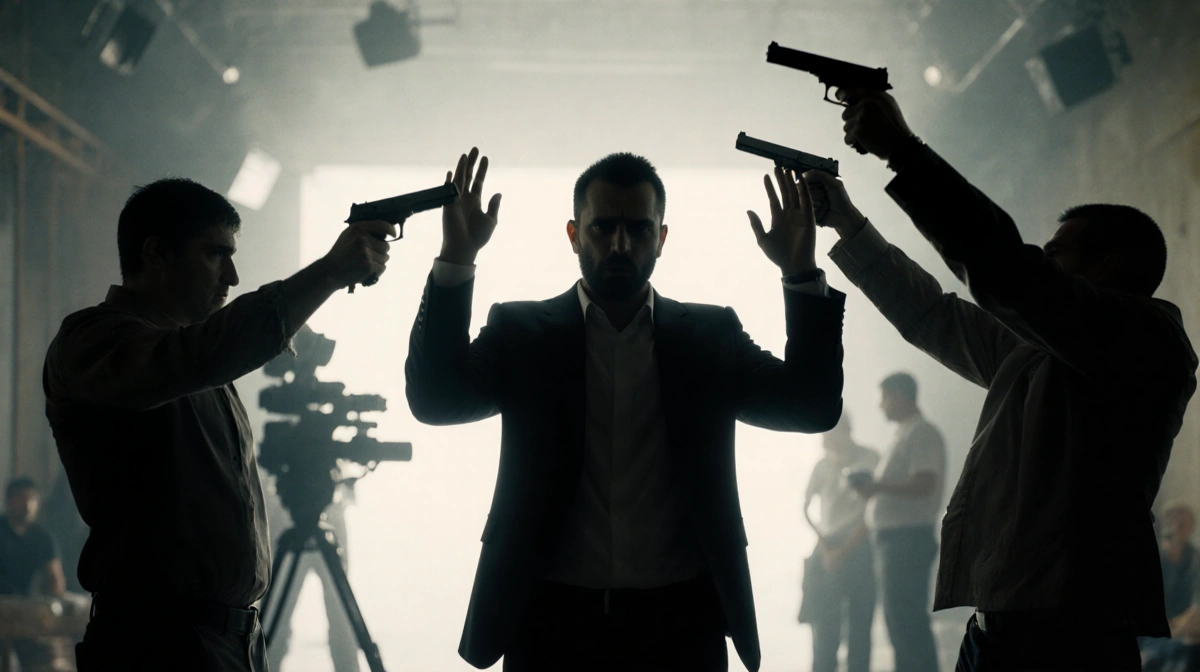
The program’s confrontations often provided closure, he contends, even when emotions turned violent.
Key Takeaways
- Early reality television carried physical danger for cast and crew
- Navy SEAL training enabled Habeeb to neutralize several armed individuals
- The same instincts that defused on-air fights later helped calm a suicidal stranger
- Habeeb now uses his production skills to promote pet adoption and reduce shelter euthanasia