At a Glance
- Venice chef Filippo de Marchi debunks the most common pasta-cooking myths
- Adding olive oil to water does nothing; it just floats on top
- Why it matters: Fixing these habits turns gummy, flavorless noodles into restaurant-quality pasta
Pasta promises dinner in fifteen minutes, yet most home cooks end up with sticky, bland results. The culprit isn’t the box-it’s the myths passed down through generations. Filippo de Marchi, chef de cuisine in Venice, told Sophia A. Reynolds exactly which “traditional” rules deserve to die and how to achieve perfect al dente texture every time.
Wall-Throwing Test Is Useless
Tossing spaghetti against the wall proves nothing beyond your need to repaint.
“This isn’t the best way to check for doneness,” de Marchi says. “The texture of the pasta can change when it hits the wall, and it doesn’t give an accurate indication of whether it’s properly cooked.”
Instead, fish out a single strand and taste it. Your palate-not your backsplash-decides when pasta reaches al dente.
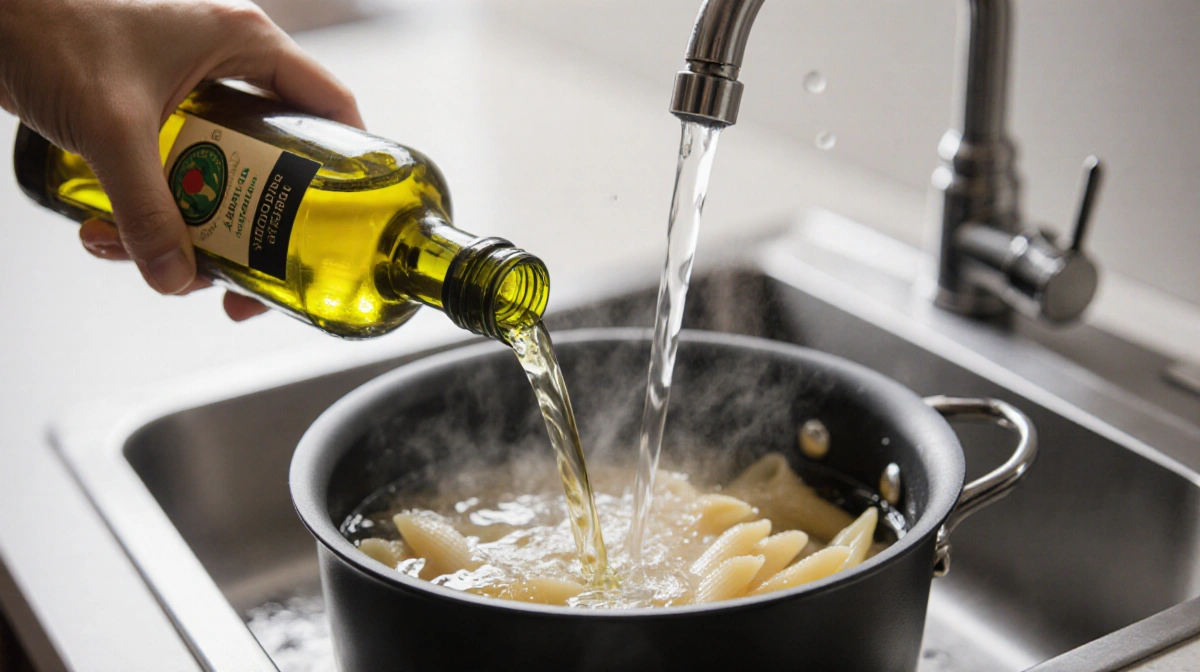
Olive Oil in Water Wastes Money
Pricey extra-virgin oil poured into the pot literally goes down the drain.
“The oil just floats on top of the water and doesn’t coat the pasta effectively,” de Marchi explains. Save the oil for finishing the dish where flavor matters.
Prevent sticking by:
- Using a roomy pot
- Stirring during the first few minutes
- Choosing the correct pasta-to-water ratio
Keep the Lid Off
Covering the pot invites a starchy eruption.
“Leaving the lid off the pot while the pasta is cooking is the way to go,” advises de Marchi. “This prevents the water from boiling over and helps control the cooking process.”
Steam escapes, foam subsides, cleanup shrinks.
Salt Won’t Speed Boiling
A Reddit thread debates whether salt raises the boiling point enough to matter. Science says the quantity used in pasta water changes the temperature by a fraction of a degree-negligible for weeknight dinner timing.
Salt’s real job is seasoning. “If you’re cooking without enough salt, the pasta can end up tasting a bit bland,” de Marchi warns. The noodle needs to absorb flavor while it hydrates.
Stop Draining Every Drop
Dumping pasta into a colander and letting it drip dry strips away the silky starchy water that marries sauce to noodle.
“A little moisture can go a long way in making your pasta dish extra tasty,” de Marchi says. Reserve a ladle of the cloudy liquid; it tightens sauces and helps them cling.
Never Rinse Cooked Pasta
Cool water washes off the starchy surface that grips sauce.
“This can remove the starchy coating that helps the sauce adhere to the pasta,” de Marchi notes. “The residual heat from the pasta helps the sauce to marry with the pasta, creating a more flavorful and cohesive dish.”
Let the strands steam in the pot or transfer them directly to the sauté pan with sauce.
No-Boil Lasagna Works
Precooking lasagna sheets adds an unnecessary step.
“Precooking lasagna sheets isn’t necessary, especially if you’re using a sauce with enough moisture,” de Marchi says. “In fact, many lasagna recipes call for using the sheets directly without precooking, allowing them to absorb liquid from the sauce and cook during the baking process.”
Layer dry noodles with plenty of sauce, cover tightly, and let the oven finish the job.
Key Takeaways
- Taste, don’t toss-al dente is a texture, not a wall decoration
- Oil belongs on the finished plate, not in the cooking water
- Salt seasons; it doesn’t accelerate boiling
- Keep that starchy pasta water for better sauces
- Skip the rinse and let heat fuse sauce and noodle
Pasta rewards simplicity. One pot, ample water, occasional stirring, and a quick taste test deliver restaurant results without TikTok theatrics.