At a Glance
- Chefs prefer manual kitchen tools over electric
- Six common tools are compared: hand mixer, wine key, rice pot, pepper mill, chef’s knife, can opener
- Manual options offer control, tradition, and often better performance
Why it matters:
Professional chefs find that manual tools keep them connected to the cooking process, preserve texture and flavor, and avoid the pitfalls of automation.
Chefs prefer manual kitchen tools over electric
In a recent feature, chefs from around the world shared their preferences for six common kitchen tools versus their electric counterparts. The consensus was clear: hand-crafted methods often win over gadgets for control, consistency, and the tactile pleasure of cooking.
Hand-Mixing vs. Stand Mixer
Many bakers still hand-mix doughs for the feel and precision it offers.
- John Marchetti, executive chef at Carcara in Phoenix, AZ, says:
“When I am making bread or pizza dough, I prefer making it by hand instead of using a mixer. It reduces the risk of over-kneading and allows for greater control and consistency. When doing large batches, it’s a great exercise. Bread and pizza taste even better when you feel like you’ve earned it.”
- Kaitlyn Weber, executive chef at Estancia La Jolla Hotel & Spa in La Jolla, CA, adds:
“As much as I love my KitchenAid for big batches, I often prefer doing doughs or whipped creams by hand because you’re more connected to the process. Hand-mixing lets you sense subtle changes like when butter is perfectly creamed or when egg whites hit the exact soft peak — things a machine can bulldoze through if you’re not watching closely.”
Our Take:
A stand mixer is ideal for larger batches or when wrist fatigue is a concern. It can knead, whip, and even make pasta. Yet, for many chefs, the effort of hand-mixing is a reliable, fool-proof technique.
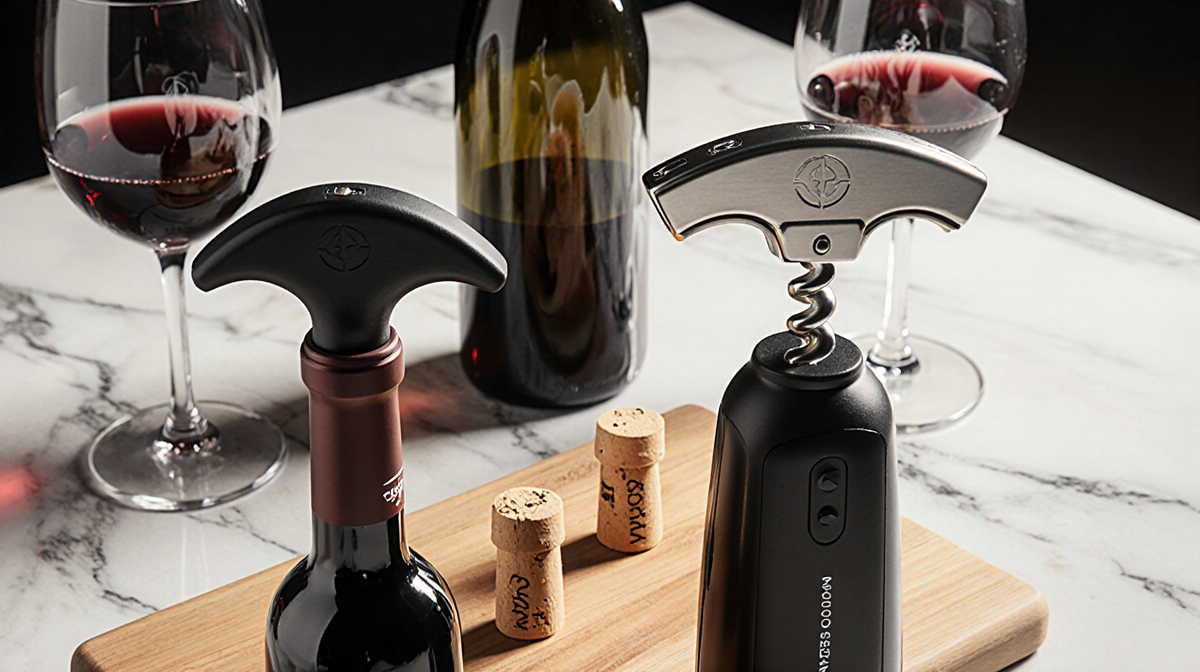
Wine Key vs. Electric Wine Opener
The ritual of opening a bottle is prized by sommeliers and chefs alike.
- Christopher McLean, executive chef and beverage director at The Wigwam in Litchfield Park, AZ, prefers a manual key:
“I truly prefer the operation of a manual wine opener versus the new and fast-opening mechanical versions. The old-fashioned opener allows for the feel of the cork and how the screw turns into it, especially on older, rare wines that may need an especially soft opening touch for a delicate cork.”
- Aitore Garate, chef and owner of Edan Bistro in North Miami, FL, echoes:
“I will always choose a manual wine opener. It gives you complete control and preserves the ritual of opening a bottle, something essential in a restaurant where wine is central to the experience.”
- Tim Grable, cooking school director and chef at Cavallo Point in Sausalito, CA, says:
“When it comes to wine openers, I really don’t think you can do better than a tried-and-true wine key. A high-quality manual wine key offers greater precision and control, especially when opening a vintage bottle.”
Our Take:
Electric openers such as the Rabbit are reliable, but consistency and control are best achieved with a standard corkscrew or wine key, often available for under $15.3.
Rice Pot vs. Rice Cooker
Traditionalists argue that stovetop pots give chefs better control.
- Joel Hammond, chef de cuisine at Uchi West Hollywood in Los Angeles, CA, says:
“Cooking rice in a pot is always my go-to. It gives me far more control over texture and moisture. Using a rice cooker removes a lot of the intuition and decision-making that makes someone a chef in the first place.”
- Andrew Lautenbach, executive chef at The Hotel Britomart in Auckland, New Zealand, adds:
“Cooking rice in a pot is my go-to. It gives me far more control over texture and moisture.”
- Hany Ali, executive chef at Europa Village Wineries & Resort in Temecula, CA, explains:
“While the cooker offers convenience, the manual stovetop method gives me superior control over water absorption, timing, texture, and flavor.”
- Aitore Garate (again) states:
“A rice cooker is convenient, but the stove allows you to control heat, evaporation and timing more precisely, which ultimately leads to a better final result.”
Our Take:
Although manual pots are not difficult, electric rice cookers consistently deliver reliable results and are a smart purchase for frequent rice cooks.
Manual Pepper Mill vs. Electric
Freshly ground pepper is a staple of many dishes.
- Andrew Lautenbach says:
“I will always reach for a manual pepper mill because grinding pepper by hand gives me fresher, more aromatic seasoning and lets me control the coarseness on the fly.”
- Gus Trejo, executive chef of Lucia Restaurant & Bar at Bernardus Lodge & Spa in Carmel Valley, CA, notes:
“I will always reach for a manual pepper mill because grinding pepper by hand gives me fresher, more aromatic seasoning and lets me control the coarseness on the fly.”
- Eleazar Villanueva, executive chef of Joël Robuchon in Las Vegas, NV, adds:
“When making a recipe where the size or amount of pepper is critical, it is important to be precise. If the pieces are too large, they can overwhelm your sauce, stock, protein or vegetables.”
Our Take:
A manual grinder is cheaper and simpler. A $19 acacia wood pepper mill is both beautiful and useful. For a premium option, try Mannkithen’s $200 Pepper Cannon, which News Of Los Angeles‘s kitchen editor David Watsky tested and loved.
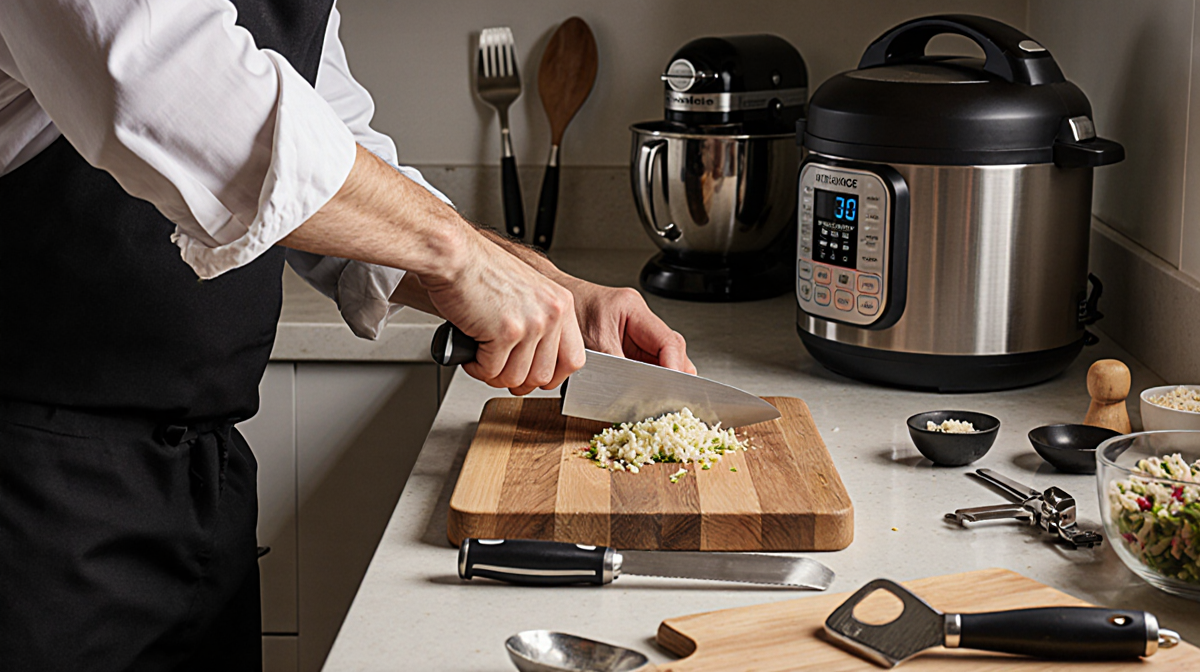
Chef’s Knife vs. Electric Chopper
Precision is key when cutting vegetables.
- Ewart Wardhaugh, chef at Green Valley Ranch in Henderson, NV, argues:
“Protect the art of the knife! I will always use a knife over a food processor. I’m not about tossing a vegetable into a machine and calling it diced — give the vegetable some respect! Using a food processor often destroys the integrity of the ingredients.”
- Kaitlyn Weber adds:
“I love my food processor for certain things like pesto, pie dough, big batches of anything. But for so much else in the kitchen, nothing beats a knife.”
- Joel Hammond states:
“I always prefer all knife work to be done by hand! Electric vegetable cutters tend to bruise everything and the blades go dull extremely fast.”
Our Take:
A sharp knife collection is essential. For large volumes of mirepoix, a food processor can save time, but for most tasks a knife remains superior.
Manual Can Opener vs. Electric
Speed and control matter when opening cans.
- Sergio Jimenez, executive chef of Adelaide at L’Auberge Del Mar in Del Mar, CA, says:
“A simple manual jar opener, even a kitchen towel, offers better leverage and speed. In a professional kitchen, you don’t have time to wait for an electric gadget.”
- Roy Hendrickson, executive chef of Covewood at San Diego Mission Bay Resort, notes:
“I predominantly use a manual swing-a-way style can opener both at home and in a professional kitchen setting, mainly because its smooth operation and control keeps the edges smooth of the can, which is important to prevent a number of issues.”
Our Take:
Manual can openers are the tool of choice for most chefs. Those with limited hand strength may benefit from an electric opener, but manual tools remain the standard for speed and reliability.
Key Takeaways
- Manual tools give chefs tactile control and preserve the integrity of ingredients.
- Electric alternatives are convenient but can compromise texture, flavor, and precision.
- For most chefs, a hybrid approach-using electric tools for bulk work and manual tools for finesse-offers the best balance.