At a Glance
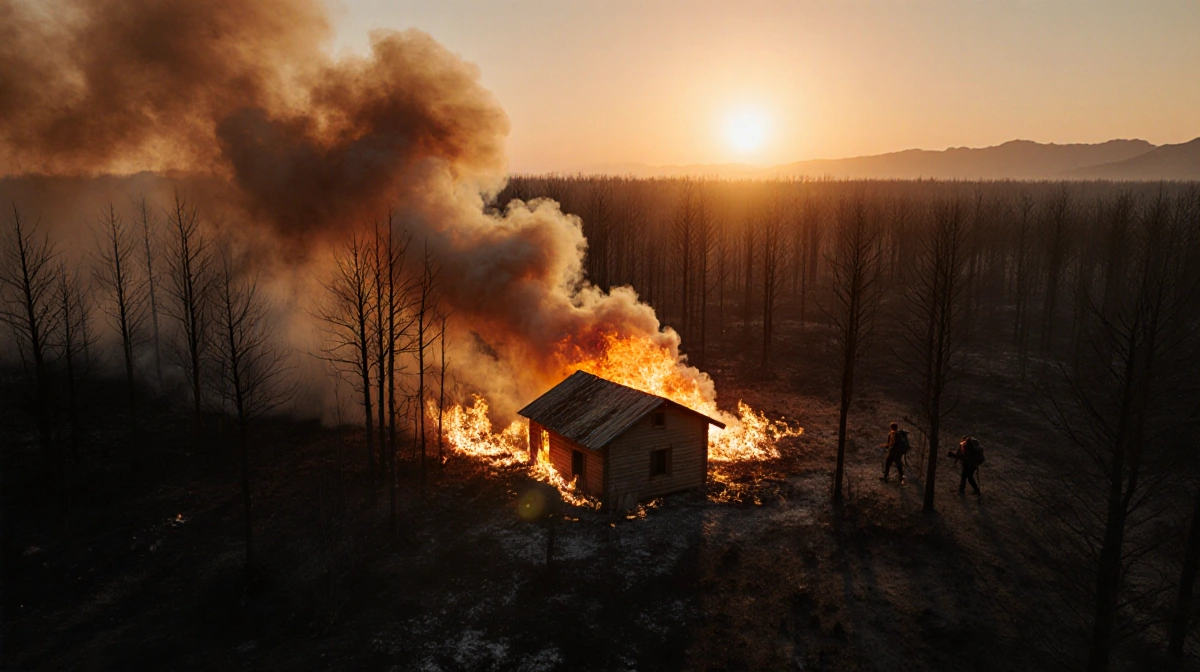
- At least 18 people have died in Chile as wildfires rage through Ñuble and Bio Bio regions
- Over 50,000 residents evacuated and around 300 houses destroyed so far
- President Gabriel Boric declared a state of emergency on January 18, 2026
- Why it matters: The fires, fueled by 100°F heat and strong winds, show no signs of slowing, with the death toll expected to rise
Chilean President Gabriel Boric declared a state of emergency on January 18, 2026, after fast-moving wildfires killed at least 18 people and forced more than 50,000 residents to flee their homes in the central-south regions of Ñuble and Bio Bio.
Deadly Toll Climbs as Flames Spread
The fires have scorched approximately 21,000 acres across the two regions, located about 310 miles south of Santiago. Around 300 houses have been destroyed, according to the Associated Press, but President Boric warned the number is expected to rise significantly.
“Certainly more than a thousand, just so far,” Boric estimated of homes affected in the Bio Bio region alone.
Chile’s forestry agency, Conaf, reported 24 active fires nationwide as of Sunday morning. Firefighters worked through the night to contain the flames, but weather conditions remain critical.
Emergency Powers Activated
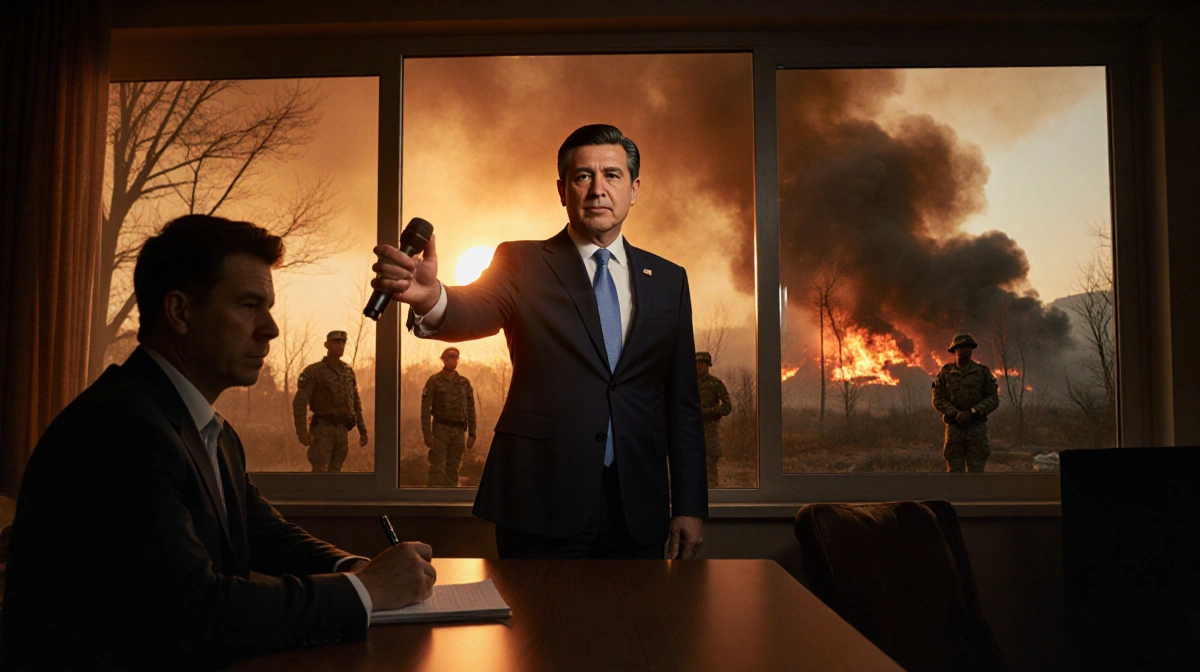
Boric’s emergency declaration allows the deployment of Chile’s armed forces to assist with evacuation and firefighting efforts. The president traveled to Concepción to deliver a press conference, expressing condolences and emphasizing the human cost.
“The first priority, as you know, in these emergencies is always to fight and extinguish the fire. But we cannot forget, at any time, that there are human tragedies here, families who are suffering. These are difficult times,” Boric said, per the Associated Press.
Interior Minister Álvaro Elizalde warned that conditions would worsen: “Weather conditions for coming hours are not good and indicate extreme temperatures.”
Communities Devastated
The majority of evacuations occurred in Penco and Lirquen, neighboring cities with a combined population of 60,000. Many residents underestimated the fire’s speed and intensity.
“Many people didn’t evacuate. They stayed in their houses because they thought the fire would stop at the edge of the forest,” said John Guzmán, 55, of Penco. “It was completely out of control. No one expected it.”
The government imposed a nighttime curfew in the Penco area. The fires destroyed cars, a school, and a church. Charred bodies were found along roads, in vehicles, across fields, and inside homes.
“From what we can see, there are people who died … and we knew them well,” said Víctor Burboa, 54. “Everyone here knew them.”
Survivors Describe Narrow Escapes
Matias Cid, a 25-year-old student from Penco, told Agence France-Presse that residents fled with only the clothes they were wearing. “If we had stayed another 20 minutes we would have burned to death,” he said, according to CBS News.
Temperatures reached 100 degrees Fahrenheit on Sunday and were expected to continue through Monday. Strong winds and extreme heat have made firefighting efforts exceptionally difficult.
Conaf shared video on Facebook showing crews battling flames overnight, emphasizing the relentless nature of the fight.
Historical Context
This disaster follows previous devastating wildfires in Chile. Two years ago, forest fires in the Valparaíso region near Santiago killed at least 120 people, the BBC reported.
The current fires represent one of the deadliest natural disasters in Chile since that 2024 tragedy. With dry conditions and high temperatures forecast to persist, officials fear the death toll and property damage will continue to mount.
A Conaf spokesperson did not immediately respond when contacted by News Of Los Angeles for additional information.
Key Takeaways
- Death toll stands at 18 but is expected to rise as search teams access burned areas
- Over 50,000 people evacuated from Ñuble and Bio Bio regions
- President Boric activated emergency powers to deploy military support
- Extreme heat and wind conditions hampered firefighting efforts on January 18-19, 2026