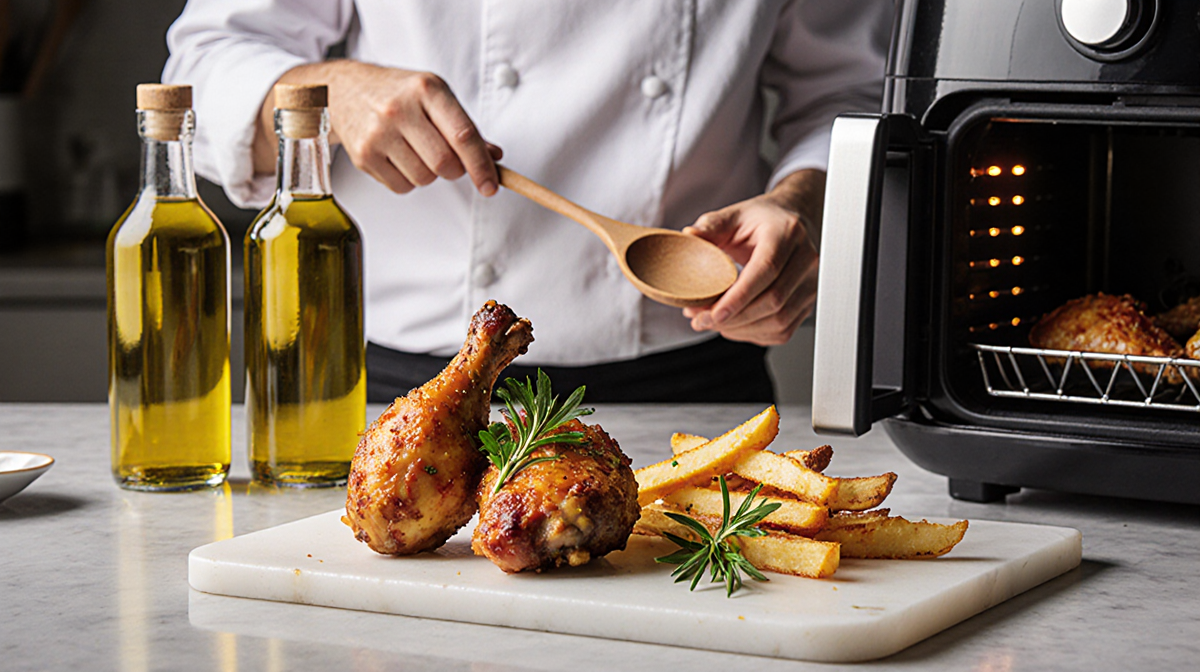
At a Glance
- air fryer: a kitchen appliance that can cook foods quickly with little oil.
- nearly two-thirds of U.S. households own one.
- Avocado oil, grapeseed oil, and extra-light olive oil are the most common good choices.
- Avoid unrefined olive oil, melted butter, and aerosol cooking sprays.
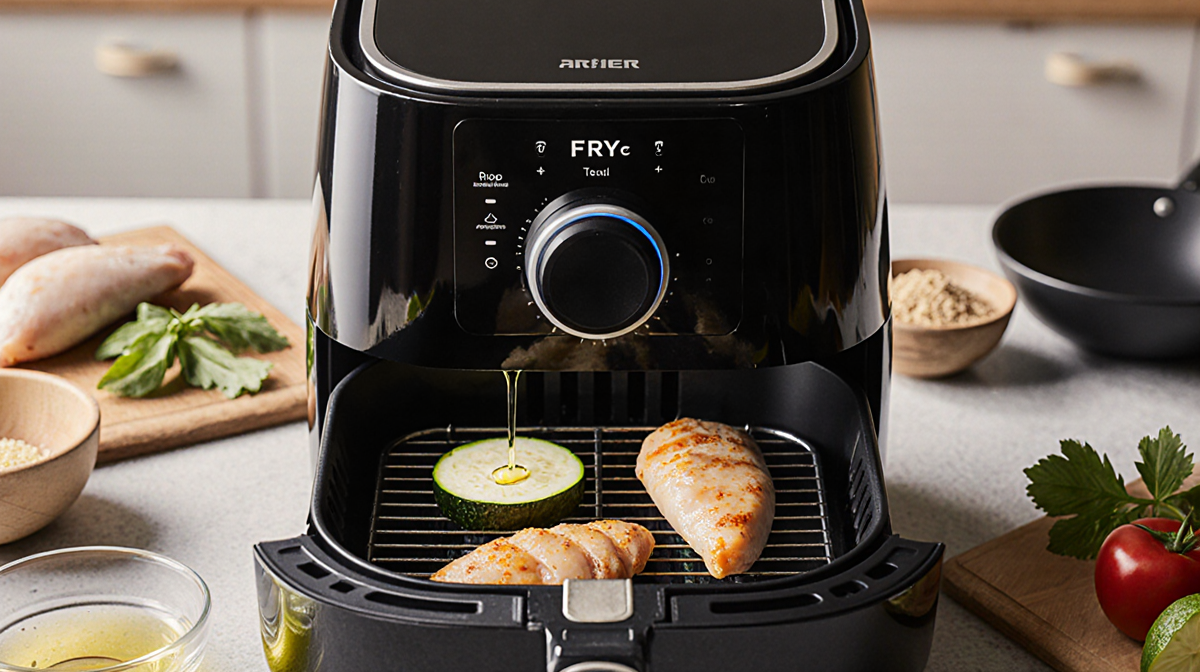
Why it matters: Using the correct oil improves crispness, flavor, and health benefits while preventing damage to your appliance.
The air fryer has become a staple in many kitchens, offering a faster, less oily alternative to traditional frying. Yet, many users still make common mistakes when selecting cooking oil. Below is a concise guide that pulls together expert advice and practical tips to help you choose the best oil for your air-frying adventures.
Why Oil Matters in an Air Fryer
The air fryer cooks by circulating hot air, creating a crispy exterior without submerging food in oil. However, a light coating of oil still plays a vital role:
- It helps achieve a golden crust.
- It prevents food from sticking to the basket.
- It can enhance flavor and texture.
John Marchetti, executive chef of Carcara in Phoenix, explains the convenience: “The convenience air fryers provide is the ability to cook with the same speed and efficiency as a deep fryer without having to use as much oil,” he says. “It’s for anything that you want that deep-fried crispness but without the extra fat.”
Marchetti also warns about using too much oil: “Any oil that you put too much of, the heat will distribute unevenly and the food will burn,” he cautions.
Choosing the Right Oil
Selecting an oil for the air fryer involves more than just picking a brand. The key factors are:
- Smoke point: The temperature at which the oil begins to smoke and break down.
- Flavor profile: How the oil complements the dish.
- Health considerations: Fat composition and potential benefits.
Oils with a high smoke point are ideal because air fryers reach temperatures around 400°F (204°C). They can withstand the heat without burning or producing off-flavors.
Best Oils for Air Frying
Below is a quick reference for the most common oils that work well in an air fryer.
| Oil | Smoke Point | Flavor | Typical Use |
|---|---|---|---|
| Avocado oil | 520°F (271°C) | Mild | Versatile; good for meats and veggies |
| Grapeseed oil | 420°F (216°C) | Neutral | Ideal for fried foods |
| Extra-light olive oil | 465°F (240°C) | Mild | Works for lighter dishes |
| Peanut oil | 450°F (232°C) | Nutty | Marchetti’s favorite for depth of flavor |
| Canola oil | 400°F (204°C) | Neutral | Everyday cooking |
| Sunflower oil | 440°F (227°C) | Mild | Good for chicken and fish |
Marchetti’s preference leans toward peanut oil because of its high smoke point and health benefits. “I believe the best oil for frying is peanut oil. It has a high smoke point and is healthier than more common frying oils. If unable to use peanut oil, avocado oil provides similar benefits but can get pricey,” he says.
When flavor is paramount, canola and sunflower oils also offer distinct tastes that pair well with a range of dishes, from broccoli to chicken.
Worst Oils to Avoid
Some oils simply do not perform well under the intense heat of an air fryer. Avoid the following:
- Unrefined olive oil (e.g., extra-virgin) – low smoke point.
- Coconut oil – can burn quickly.
- Melted butter – low smoke point, prone to burning.
- Aerosol cooking sprays (e.g., Pam) – contain lecithin and additives that can damage nonstick surfaces and cause gastrointestinal distress.
- Toasted sesame oil – loses flavor at high temperatures and becomes bland.
“Most olive oils are too fragile for the air fryer’s fierce heat,” notes Marchetti. “Unrefined oils, such as extra-virgin olive oil and some coconut oils, have lower smoke points and may not yield the coveted crispiness when used in an air fryer.”
Tips for Using Oil in an Air Fryer
Below are practical steps to maximize crispness while keeping oil usage minimal.
- Use an oil sprayer (e.g., Flairosol) to distribute a thin, even coating.
- Don’t overcrowd the basket – touching pieces lead to uneven heating and sticking.
- Choose the right temperature – air fryer settings differ from a conventional oven; research the ideal heat for your model.
- Flip halfway through – ensures both sides achieve the desired crunch.
- Keep ingredients dry – excess moisture combined with oil can cause sogginess or burning.
Marchetti advises: “If I were to batter an item, I would freeze it, lightly season it with oil, salt and pepper, and then cook a small amount at a time to prevent the ingredients from sticking and cooling the air fryer down.”
Experimenting with Oils
Because each air fryer can behave slightly differently, experimentation is key. A simple test involves:
- Slice a neutral food such as potato into equal pieces.
- Coat each slice with a different oil.
- Air fry at the same temperature and time.
- Compare texture, crispness, and flavor.
“Air fryers allow even the most novice of home cooks to experiment (safely, of course) with different varieties of oil until you identify a winner,” says Marchetti. “A light spritz of oil helps certain air fryer foods crisp up better.”
Keep in mind that a little goes a long way. A minimal amount of oil can provide the desired crispness without excess fat, making it a healthy and efficient cooking method.
Key Takeaways
- air fryer appliances cook fast and with less oil, but choosing the right oil is essential for flavor, crispness, and appliance longevity.
- nearly two-thirds of U.S. households own an air fryer, yet many still use the wrong oil.
- High-smoke-point oils like avocado, grapeseed, and peanut oil work best.
- Avoid unrefined olive oil, melted butter, and aerosol sprays.
- Use an oil sprayer, keep the basket uncluttered, and flip foods for even cooking.
- Small, controlled experiments help you find the perfect oil for your favorite recipes.
By following these guidelines, you can enjoy crisp, flavorful dishes while keeping oil use to a minimum and protecting your air fryer for years to come.