At a Glance
- WordPress theme choice impacts design, speed, SEO.
- Free themes cover most needs; paid themes add advanced features.
- Responsive design and lightweight code are essential for mobile traffic.
Why it matters: A good theme sets the foundation for performance, user experience, and future growth.
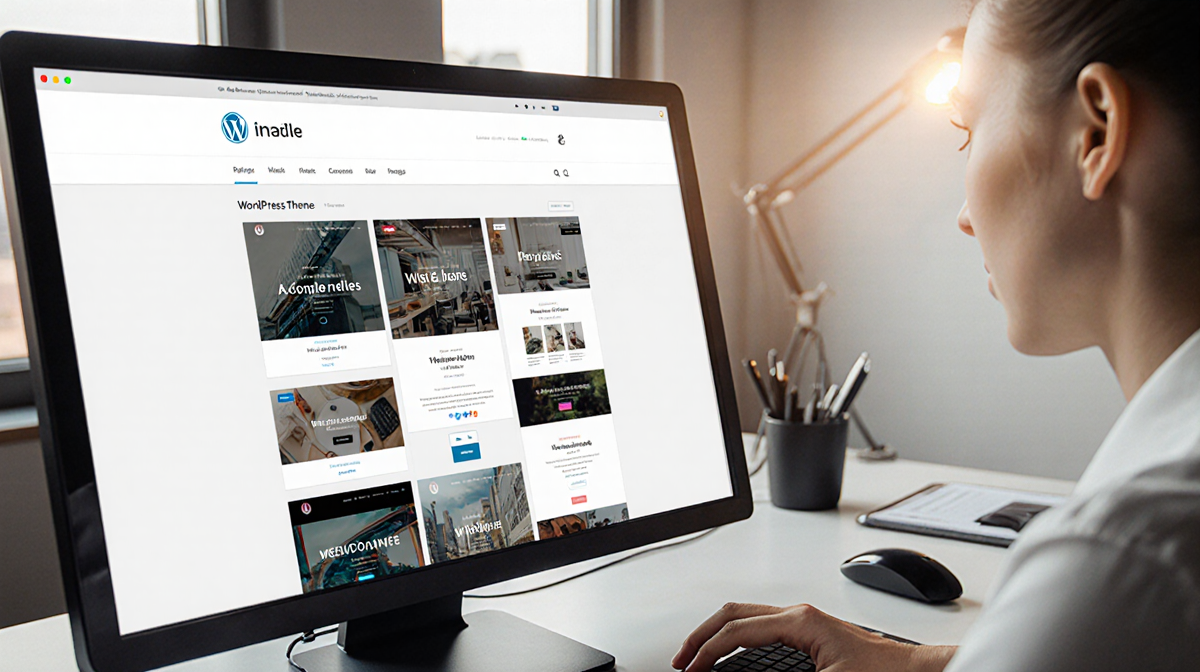
Choosing a WordPress theme can feel overwhelming. With 14,000 free themes in the WordPress.org database and countless paid options, the decision can seem daunting. The right theme shapes your site’s design, speed, and SEO, so picking wisely matters.
Types of WordPress Themes
WordPress themes fall into two main categories:
- Standard themes – Built with PHP and editable in the WordPress Customizer. They let you change colors, fonts, and some layout options, but deeper changes usually require PHP knowledge or a developer.
- Block themes – Use HTML and the full Site Editor for extensive customization. They allow you to insert any content block into the header, sidebar, or footer.
I prefer standard themes because the Customizer feels more intuitive, yet block themes can offer unique flexibility for users who want a fully custom design.
Free vs. Paid Themes
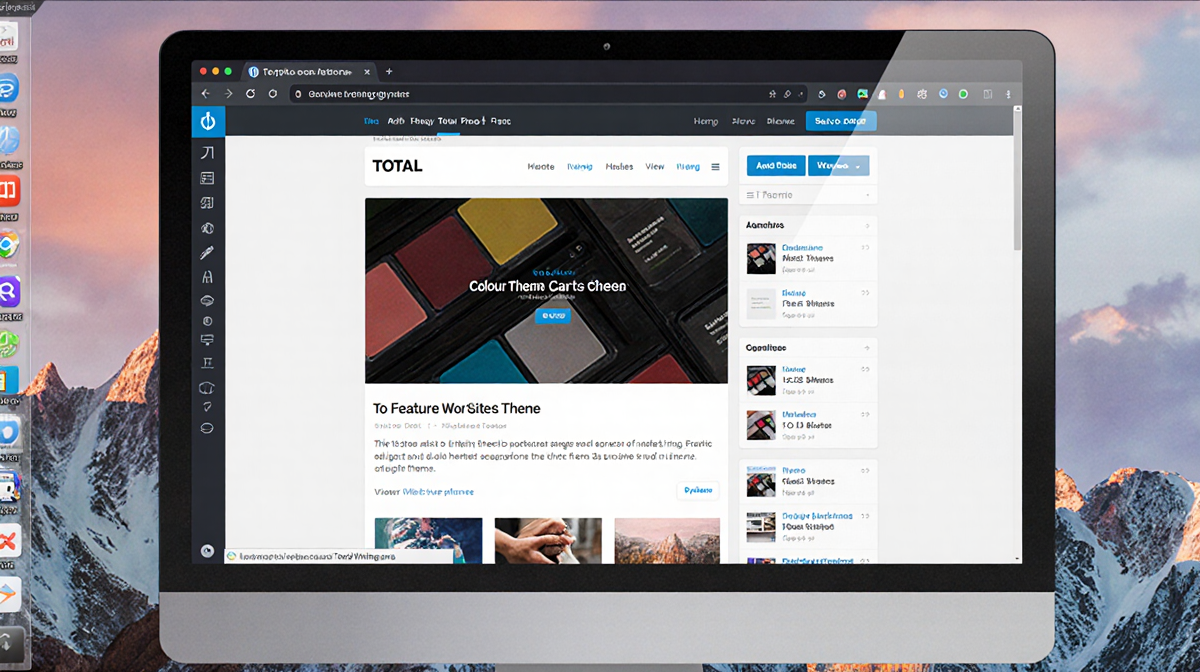
Free themes are plentiful and can create a solid site. I personally use the free version of Total on many projects. For sites that won’t monetize heavily, free themes are the cheapest route.
Paid themes unlock more flexibility:
- The premium version of Neve lets you hide the header menu on certain pages, useful for product landing pages.
- Paid themes often include custom blocks for reviews, event calendars, or other niche content.
Costs vary widely: some paid themes charge a one-time fee of as little as $20, while others can reach $300 or more per year. Decide your budget and whether you prefer a one-time fee or an annual subscription before diving in.
Choosing a Focus
Themes can target:
- Industry-based – Tailored for niches like photography or publishing. Example: the Legacy Book Club theme offers e-commerce blocks that display book ratings.
- Functionality-based – Designed for a specific site type, such as a blog or online store. The Original Blog theme provides templates and blocks for blog posts.
- Multi-purpose – Versatile templates for a wide range of sites. Neve offers numerous Starter Sites and WooCommerce integration.
If you foresee expanding your site later, a multi-purpose theme gives you the most growth potential.
Clean, Minimalist Layout
A theme should serve your content, not dominate it. Look for:
- Functionality emphasis – Every element should help navigation, display information, or sell a product.
- Clutter minimization – Ample white space reduces server load and improves speed.
Even a minimalist theme can become cluttered if you add too many widgets or plugins. Keep pages clean and consistent.
Responsive Design Matters
Responsive design adapts to mobile, tablet, and desktop screens. 53.5% of all internet traffic comes from mobile devices, so a responsive theme is essential.
Most modern themes claim responsive design, but some still squish elements or lose functionality on smaller screens. Use the built-in view switcher to test desktop, tablet, and phone layouts.
Customization Options
While block themes offer more options, standard themes still allow:
- Header and text fonts (some let you upload custom fonts)
- Color schemes, including background and key elements
- Top-menu appearance and header/footer content
- Homepage layout (blog or static page)
These settings help create a unique brand feel.
Theme Weight and Speed
Heavy themes with extraneous code can slow your site. Lightweight themes optimize code and visual elements. Check the theme description for speed claims, and search for “(theme) speed” to find third-party tests.
Running a speed test with tools like WebPageTest is a good practice. Caching plugins and CDNs also improve performance.
Active Development
Themes should receive regular updates to fix bugs and stay compatible with WordPress releases. Look for a theme updated within the last month or that lists the latest WordPress version it supports.
WordPress displays warnings for themes that haven’t been updated in a long time. For paid themes, check the developer’s blog or social media for update announcements.
Translation Readiness
If you plan to support multiple languages, choose a translation-ready theme that lists supported languages. Otherwise, a plugin like Weglot can add translation without theme changes.
Recommended Themes
Below are three high-quality themes that balance flexibility, speed, and customization.
| Theme | Free/Premium | Key Features | Price (Premium) |
|---|---|---|---|
| Neve | Free & Paid | Ultra-lightweight, Customizer, WooCommerce ready | $139 per year |
| Total | Free & Paid | WooCommerce compatible, 30+ custom widgets | $59 one-time |
| GeneratePress | Free & Paid | 60+ color controls, 5 menu locations, 25-language support | $150 per year |
Neve is a standard theme with a free version that’s ultra-lightweight and a paid version that unlocks advanced header/footer controls and custom blocks.
Total is a freemium theme that works well with page builders and WooCommerce. Its premium version adds industry-specific templates and an advanced Customizer.
GeneratePress is a freemium block theme with full block editor support. The premium version offers starter sites, dozens of custom blocks, and cloud-based block pattern libraries.
Final Thoughts
A WordPress theme sets the stage for your site’s look, speed, and future expansion. Consider:
- Your budget and whether you want a one-time fee or subscription
- The type of site you’re building and whether you need industry-specific features
- Responsive design, lightweight code, and active development
- Translation readiness if you target multiple languages
If your first choice doesn’t fit, you can switch themes at any time. Pair a solid theme with the right host, plugins, and design tools to build a powerful WordPress site.
Key Takeaways
- WordPress theme choice affects design, speed, and SEO.
- Free themes suffice for most non-monetized sites; paid themes add advanced customization.
- Responsive, lightweight, and regularly updated themes are essential for mobile traffic and performance.
- Three recommended themes-Neve, Total, GeneratePress-offer strong foundations for various site types.