
At a Glance
- Claudette Colvin, arrested at 15 for refusing to give up her bus seat, has died at 86
- Her March 2, 1955 arrest predated Rosa Parks’ by nine months
- She was one of four plaintiffs who ended bus segregation in Montgomery
- Why it matters: Her forgotten protest helped spark the movement that transformed America
Claudette Colvin, the 15-year-old whose defiant refusal to surrender her bus seat helped ignite the modern civil rights movement, has died at 86. The Claudette Colvin Legacy Foundation announced her death Tuesday, with Ashley D. Roseboro confirming she died of natural causes in Texas.
The Forgotten First Act
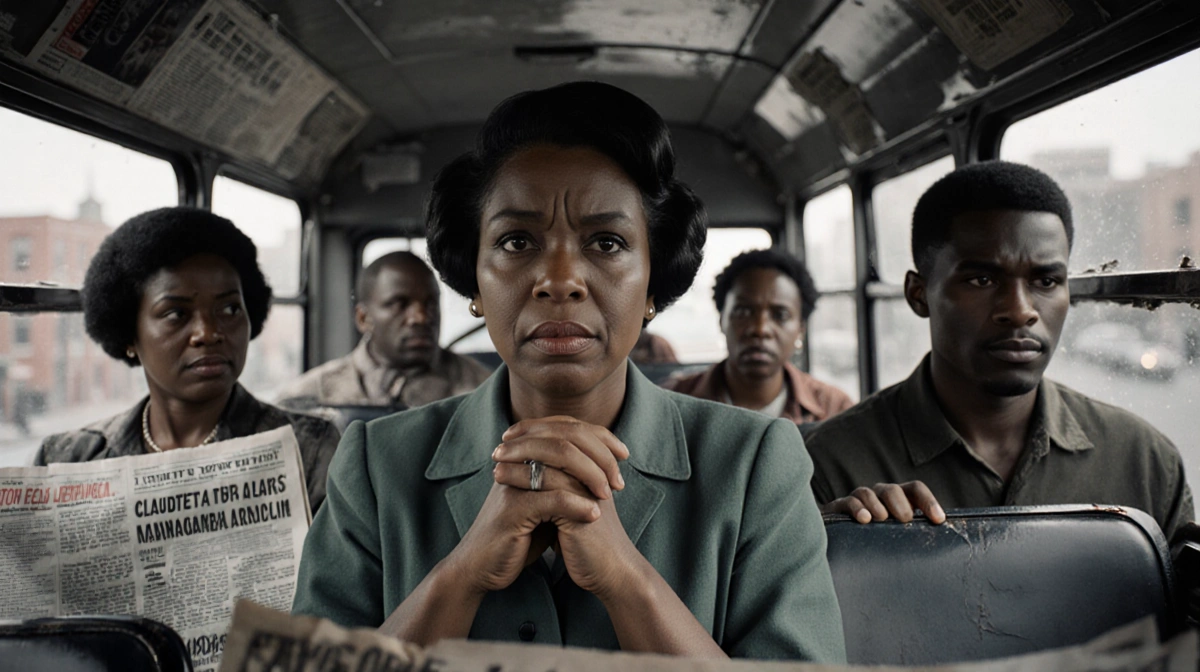
On March 2, 1955, Colvin boarded a Montgomery bus after school. When white passengers needed seats, the driver demanded Black passengers move. Colvin refused.
“My mindset was on freedom,” she recalled in 2021. “So I was not going to move that day. I told them that history had me glued to the seat.”
Her arrest came nine months before Rosa Parks’ famous protest. While Parks became a civil rights icon, Colvin’s name faded from mainstream history.
The Legal Battle That Changed Everything
Colvin didn’t stop at her arrest. She became one of four plaintiffs in the federal lawsuit that ultimately outlawed racial segregation on Montgomery buses.
The case built on mounting frustration. Another Black teenager, Mary Louise Smith, had been arrested and fined that October for the same offense. But when Parks, a local NAACP activist, was arrested on December 1, 1955, it sparked the yearlong Montgomery Bus Boycott.
The boycott launched Rev. Martin Luther King Jr. into national prominence and marked the beginning of the modern civil rights movement.
A Legacy Finally Recognized
Montgomery Mayor Steven Reed acknowledged Colvin’s overlooked contribution. Her action “helped lay the legal and moral foundation for the movement that would change America,” he said.
Reed noted her bravery “was too often overlooked” compared to Parks’ fame.
“Claudette Colvin’s life reminds us that movements are built not only by those whose names are most familiar, but by those whose courage comes early, quietly, and at great personal cost,” Reed said. “Her legacy challenges us to tell the full truth of our history and to honor every voice that helped bend the arc toward justice.”
Justice Delayed, Not Denied
In 2021, Colvin filed a petition to clear her court record. A judge granted her request.
“When I think about why I’m seeking to have my name cleared by the state, it is because I believe if that happened it would show the generation growing up now that progress is possible, and things do get better,” she said at the time. “It will inspire them to make the world better.”
Her death comes just over a month after Montgomery celebrated the 70th anniversary of the Bus Boycott.
Key Takeaways
- Colvin’s protest at 15 helped build the legal case that ended bus segregation
- Her story highlights how history often remembers some activists while forgetting others
- Her successful petition to clear her record in 2021 provided closure after decades
- Montgomery’s mayor says her legacy demands we tell the complete story of civil rights history