
At a Glance
- Climate tech venture funding stayed flat in 2025, defying expectations.
- Data centers and AI are driving a surge in clean-energy demand.
- Nuclear, geothermal and battery tech are attracting record investment.
- Why it matters: Investors and policymakers see a resilient path to decarbonization.
The end of 2025 looked bleak for climate tech, but data from CTVC shows venture bets remained essentially flat, and cost cuts in solar, wind and batteries continue to tilt the market toward clean power.
Resilient Climate Tech Investment
CTVC data reveal that 2025’s climate-tech venture activity did not tumble. The steady spending reflects two forces: the persistent threat of climate change and falling costs that make clean tech competitive with fossil fuels. Daniel Goldman, managing partner at Clean Energy Ventures, noted:
> “Zero-carbon generation is already among the cheapest sources of power, and growing demand for both grid-scale and distributed batteries is accelerating cost reductions faster than expected.”
This cost advantage keeps investors eager, even as political support wavers.
Data Centers Fuel the AI Boom
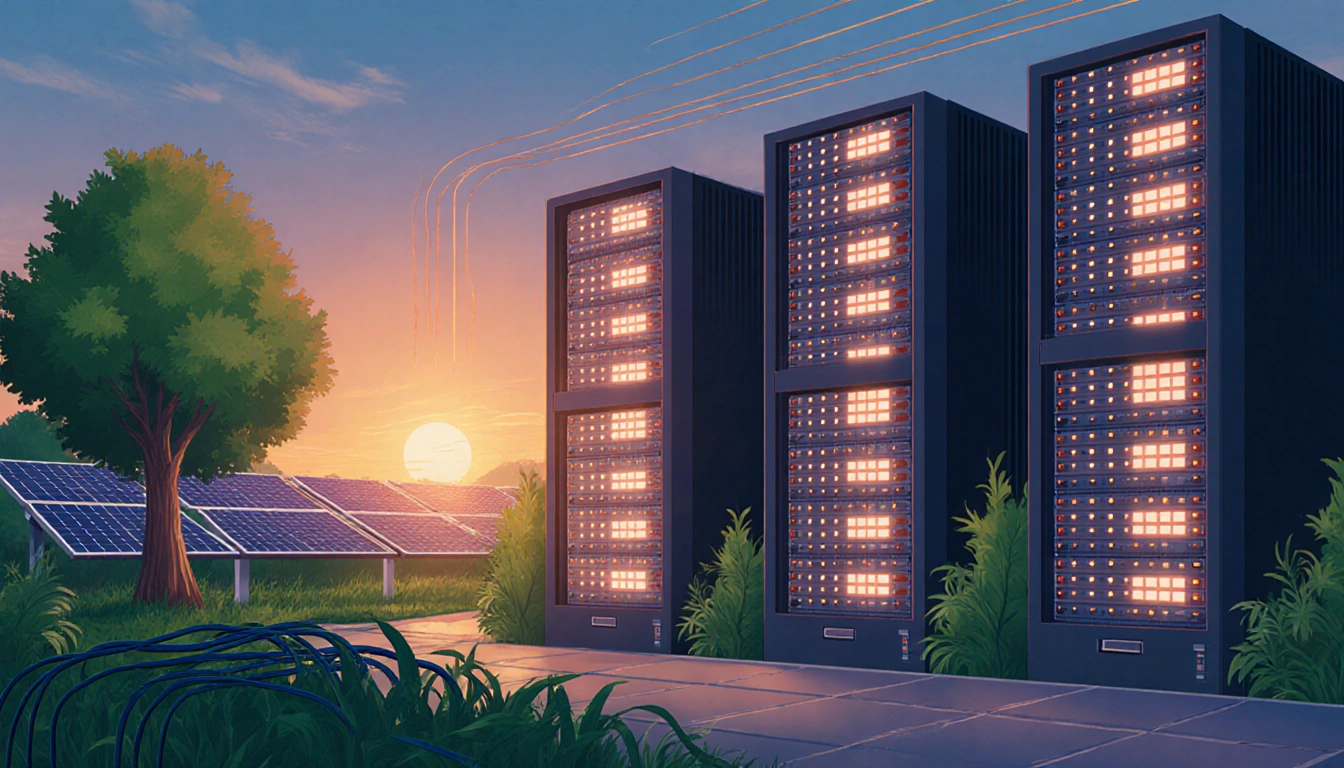
Data-center developers are now the focus of both capital and conversation. Investors surveyed by TechCrunch agreed that data centers will remain central in 2026. Highlights:
- Tom Chi, founding partner at At One Ventures, said:
> “They are creating their own financial ecosystem, and there is enough actual momentum in current AI efforts that I don’t see the hyperscalers pulling back in 2026.”
- Po Bronson, managing director at SOSV’s IndieBio, added:
> “I’m still hearing about an ever increasing concentration of effort and focus on data centers virtually every single day in meetings, especially with corporates.”
- Lisa Coca, partner at Toyota Ventures, forecasted a shift:
> “The 2026 data center energy conversation is likely to shift from demand to resilience and the need to accelerate plans to decouple from the grid.”
- Kyle Teamey, managing partner at RA Capital Planetary Health, warned of a bubble:
> “Could a bubble burst in 2026? Sure,”
but he added that infrastructure plans are already budgeted.
- Andrew Beebe, managing director at Obvious Ventures, said:
> “We still need a LOT more power, and we’ll use that – no build-out bubble there…yet.”
Emerging Energy Sources and Funding
The surge in AI has spurred rounds in nuclear and geothermal startups. In recent weeks, nuclear firms raised over $1 billion, hinting at possible SPACs or IPOs in 2026. Teamey noted:
> “Nuclear everything is in vogue right now.”
Meanwhile, geothermal is positioned to outpace solar. Joshua Posamentier, managing partner at Congruent Ventures, observed:
> “Geothermal will be hot on solar’s heals in terms of new generation.”
Other investors see battery chemistry as a growth lever. Leo Banchik, director at Voyager, said:
> “We’ll see growth in 2026 with new plays on battery chemistry and business models.”
Investment Themes & IPO Outlook
Several firms are on the cusp of going public. The most frequently mentioned candidate is Fervo, an enhanced geothermal company that recently raised $462 million. The company’s 500-megawatt Utah project could set a template for future plants. Investors see public markets as a way to fund additional projects.
Other themes include:
- Critical minerals and battery recycling
- Grid-execution software that speeds interconnection
- Resilience technologies like wildfire-mitigating robotics
Key Takeaways
- Climate-tech venture funding held steady in 2025, buoyed by falling costs.
- Data centers and AI will drive clean-energy demand into 2026.
- Nuclear, geothermal, and advanced batteries are attracting record capital.
- IPO candidates like Fervo signal a shift toward public markets.
The combination of resilient investment and technological advances keeps the climate-tech sector on a steady path toward a cleaner future.