
Coachella Valley experienced a series of seismic events in early January 2026, beginning with a magnitude-4.9 quake on Monday and followed by a 3.8-magnitude tremor Tuesday morning.
At a Glance
- Tuesday’s quake: magnitude 3.8 near Indio.
- Monday’s largest: magnitude 4.9, the strongest in Southern California since the 5.2 event near Julian.
- Aftershocks: continued for hours, with roughly 15 quakes of magnitude 2.5 or greater in 24 hours.
- Why it matters: Residents and local businesses need to understand shaking risks and aftershock patterns.
The first paragraph above sets the stage for the detailed account that follows.
Seismic Sequence Overview
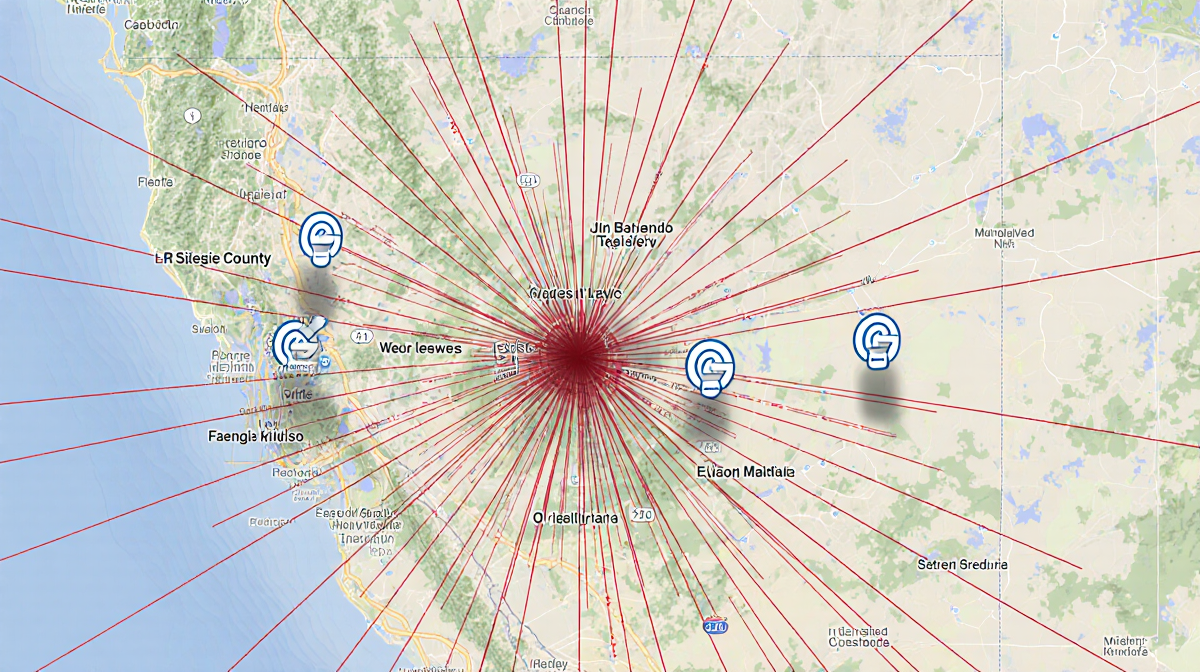
The region recorded a preliminary magnitude-3.8 tremor Tuesday after a day of shaking in Riverside County. The quake, initially listed at magnitude 3.6, was one of dozens in the area over the past 24 hours. The strongest event of that period was the Monday magnitude-4.9 shock, the largest in Southern California since the 5.2 quake near Julian in April.
Areas Affected
The Tuesday morning quake produced shaking in:
- Desert Hot Springs
- San Jacinto
- Palm Desert
- Indio
- Palm Springs
- Other nearby communities
These locations lie within the Coachella Valley desert community, approximately 130 miles east of Los Angeles.
Understanding Earthquake Magnitude
Magnitude refers to the strength of the quake. The closer a location is to the epicenter, the more likely residents will feel the seismic waves. Local soil conditions also amplify or dampen the shaking:
- Looser soil can increase vibration.
- Firm bedrock typically reduces perceived motion.
Aftershock Dynamics
Aftershocks are smaller tremors that follow a larger quake. They decrease over time but can continue for days, weeks, months, and even years. The Monday magnitude-4.9 event was followed by aftershocks that persisted for several hours.
Historical Context
The magnitude-4.9 quake was the largest in Southern California since the 5.2 event near Julian in April. Historically, aftershocks are expected after a quake of this size, but the exact pattern varies.
What Residents Can Do
- Stay informed: Check local news and official updates.
- Prepare an emergency kit: Follow guidance on what to keep.
- Secure loose items: Reduce potential injury from falling objects.
Seismic Safety Tips
- Drop, Cover, Hold On during shaking.
- Avoid windows and heavy furniture that could fall.
- Check for gas leaks after the shaking stops.
Community Response
Local authorities have issued safety information and resources for residents affected by the series of earthquakes. They recommend staying tuned to official channels for updates.
Quick Facts Table
| Date | Magnitude | Epicenter | Notable Impact |
|---|---|---|---|
| Jan. 20, 2026 | 4.9 | Indio | First major quake of series |
| Jan. 21, 2026 | 3.8 | Indio | Follow-up quake, aftershocks |
Key Takeaways
- The Coachella Valley experienced a significant seismic event series in early January 2026.
- A magnitude-4.9 quake on Monday was followed by a 3.8 event Tuesday, with multiple aftershocks.
- Residents should remain vigilant, prepare emergency kits, and follow official safety guidelines.
These details provide a comprehensive view of the recent seismic activity and its implications for the local community.