
> At a Glance
> – A 25-year-old woman and her partner face ongoing harassment from their upstairs neighbor
> – Anonymous notes demand silence and include misogynistic comments about her voice
> – Multiple tenants report similar harassment; previous tenant broke lease over threats
> Why it matters: Shows how anonymous intimidation can make renters feel unsafe in their own homes
A young couple’s excitement over a new apartment quickly gave way to ongoing conflict with a neighbor. Anonymous notes about the noise level made them feel anxious in their own home. After discovering a pattern of harassment, they reported the situation and looked for advice.
The Perfect Apartment Turns Sour
The 25-year-old woman and her partner, both introverted working professionals, recently moved into a spacious, well-priced 1920s apartment in a major city. The unit had original architectural details and came during a competitive rental market. The property manager described the building as a “quiet community,” which aligned with their lifestyle as neurodivergent people who prefer calm evenings.
Within their first week, while talking at normal volume in their bedroom, their upstairs neighbor suddenly “STOMPED on our ceiling multiple times with so much force that it shook our ceiling light and startled us into silence.”
Escalating Harassment Campaign
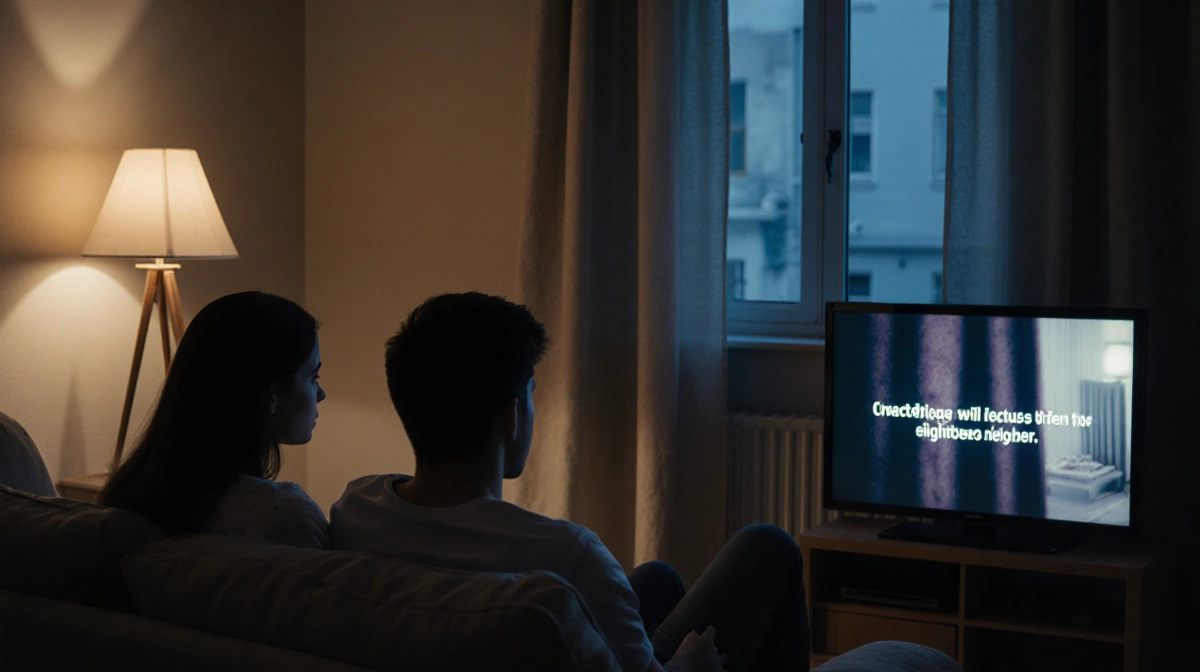
The stomping became regular, forcing the couple to fear speaking after 10 p.m. They began watching television without volume, relying on subtitles to avoid provoking outbursts.
Anonymous notes soon appeared on their door:
- “Stop talking so loud”
- “Respect quiet time”
- “The walls are thin and your speaking voice can be heard in our apartment”
Despite their efforts to comply, the harassment intensified. After a brief pause where the neighbor left wine with a “thanks for being cool” message, the notes returned with hostile, misogynistic tones. One criticized the woman’s voice as “extremely high pitched” and “feminine,” while another asked, “how many times do i have to ask before you care.”
Pattern of Abuse Revealed
Conversations with other tenants revealed a troubling pattern:
- A downstairs neighbor received similar notes about her dog, including threats to call animal control
- A previous tenant broke her lease because of threatening notes
- Cleaners found an old note reading, “shut your damn dog up”
The woman identified the neighbor as a man in his 30s who ignores her greetings and stares silently when passing.
Seeking Resolution
Feeling increasingly unsafe, the couple reported the full situation to the property manager. The woman questioned whether confronting the neighbor would be appropriate or if waiting for management intervention was safer.
She wrote:
> “I don’t like confrontation so I’d rather not, but he has scared us and friends/family with his stomping and I am tired of us feeling scared and controlled by him.”
One Reddit commenter suggested:
> “You’ve got a right to speak in ur own home, and he’s just gotta deal with no house being perfect. Maybe drop a note a la ‘Hey neighbor, hit me up direct instead of stomping my ceiling down, mkay?’ Show him you ain’t scared, that might shut him up.”
Key Takeaways
- Anonymous harassment can escalate from noise complaints to personal attacks
- Multiple tenants experiencing similar issues indicates a pattern, not isolated incidents
- Property management involvement may be necessary when direct confrontation feels unsafe
- Documenting incidents and gathering neighbor testimonies strengthens the case for intervention
The situation highlights how anonymous intimidation can transform a dream home into a source of daily anxiety.