At a Glance
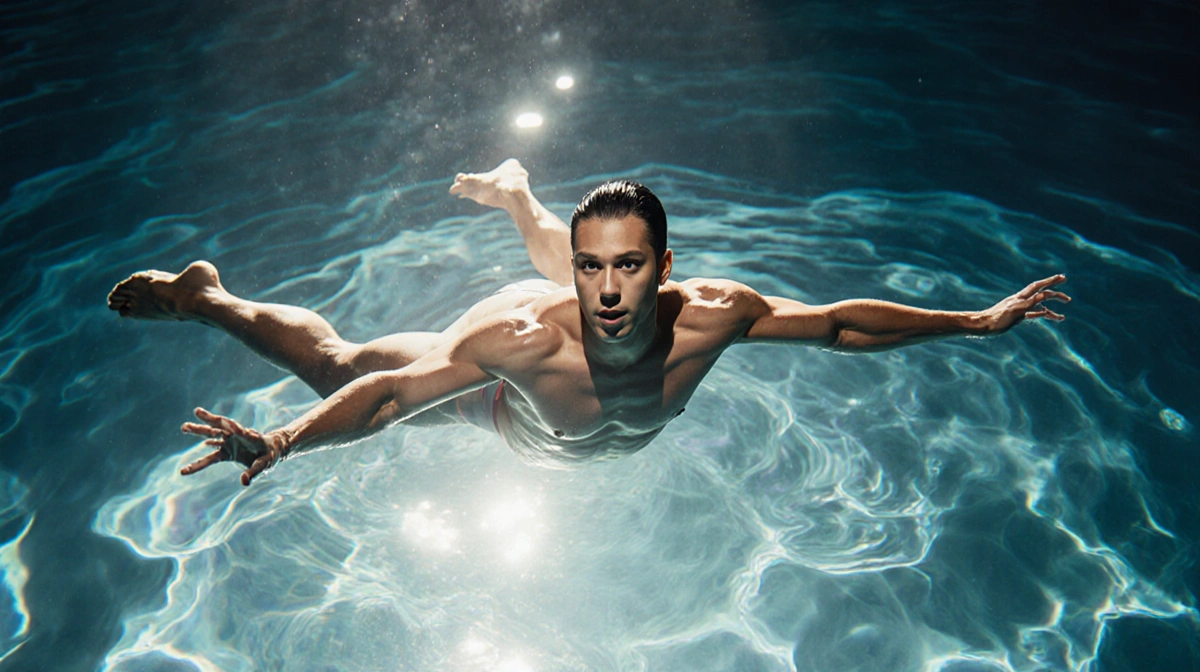
- Fernanda Morales, a lifelong dancer sidelined by knee surgery, now performs underwater in Cirque du Soleil’s LUDÕ
- She trained as a free-dive instructor after discovering the water’s “quiet” world in Tulum
- 45 seconds: the minimum breath-hold each aquatic troupe member must master
- Why it matters: Her story shows how injury can redirect talent into an entirely new art form
Fernanda Morales always believed her future was on stage-until her knees disagreed. A decade after surgery forced her to stop dancing, the Mexico native is headlining a different kind of performance: eight custom aquariums built into Cirque du Soleil’s new theater at VidantaWorld in Nuevo Vallarta.
From Dance Studio to Deep End
Morales tells News Of Los Angeles she danced “her whole life,” but the 10-year break that followed knee surgery felt like exile. She turned to yoga, then followed friends to Tulum where free diving caught her eye-and lungs.
> “I fell in love with being in the water. It was just like an insane new world that I hadn’t explored,” she says. “It felt so comfortable and so peaceful and so quiet.”
Within months she became a certified free-dive instructor, replacing studio mirrors with coral reefs and barre work with breath-hold tables. The discipline of controlling buoyancy, heart rate and panic translated into what she calls “dancing in the water in ways that I was not able to do as much on land.”
Landing the Role
Early this year a free-diving friend tipped her that Cirque du Soleil’s upcoming show LUDÕ needed professionals who could act, dance and stay calm 15 feet down. Morales filmed nine audition videos: underwater choreography, above-water monologues, character work and pure breath-hold shots.
A callback arrived within days. She was cast as an aquatic troupe performer and plunged into an eight-week boot camp that blended scuba certification, synchronized-swimming drills and acting notes.
Training by the Numbers
| Skill | Requirement |
|---|---|
| Static breath-hold | 45 s minimum |
| Pool sessions per week | Up to 12 hrs daily |
| Weight increments | 0.5-2 kg micro-adjustments |
| Aquariums on stage | 8 total |
The Physics of Floating Art
Mastering buoyancy, Morales says, was harder than any dance combination. Too light and she popped to the surface mid-pose; too heavy and she sank before the music cue ended. The fix involved trial-and-error with soft diving weights, placement on hips or ankles, and deciding how much air to inhale for each sequence.
> “In the creative process it was really technical… how much air we take for some moments, how much air we don’t take for some other moments,” she explains.
Performers also learned scuba regulator switches for longer underwater segments and practiced hand signals to coordinate flips, lifts and bubble shapes that read as “applause” through the acrylic walls.
Rehearsal Routine
A standard day starts with a mug of strong ginger tea to raise core temperature before hours in 26 °C water. Makeup-glitter scales, waterproof liners and skin-safe adhesives-takes 75 minutes and doubles as team bonding; playlists blast while artists paint one another’s temples and collarbones to glow under black-light.
Then it’s into the tanks for two-to-three-hour blocks. Between run-throughs she might hop out, or stay submerged using pony bottles for air. The schedule is so fluid she schedules bathroom trips like breath cycles: “Every time I go in the water, I think I have to pee.”
Hair vs. Chlorine
The constant soak destroyed her hair until she adopted a three-step defense: silicone swim caps when directors allow, fistfuls of coconut oil after call-time and overnight hair masks that she jokes cost “bottles and bottles” of pesos.
A Say in the Show
Unlike previous Cirque productions where casts inherit fixed choreography, LUDÕ is still in creative genesis. Directors invite swimmer feedback on transitions, character arcs and even costume buoyancy. Morales calls the collaboration “beautiful and super exciting,” noting that veteran Cirque artists envy the rare chance to “put a little bit of yourself in the show.”
Cultural Pride
Much of the visual language-jade masks, Aztec sun motifs, marigold petals rendered in silk-draws from Mexican heritage. For Morales, performing steps rooted in her own culture while suspended in a tank feels like closing a circle: “I feel so proud, and I feel so blessed and happy that I get to experience my own culture through the show.”
Key Takeaways
- Injury rerouted but didn’t end Morales’ performance career
- Free diving demands both athletic precision and serenity
- Cirque’s new show fuses acrobatics with submerged dance theater
- Performers balance artistry, safety science and personal flair nightly