At a Glance
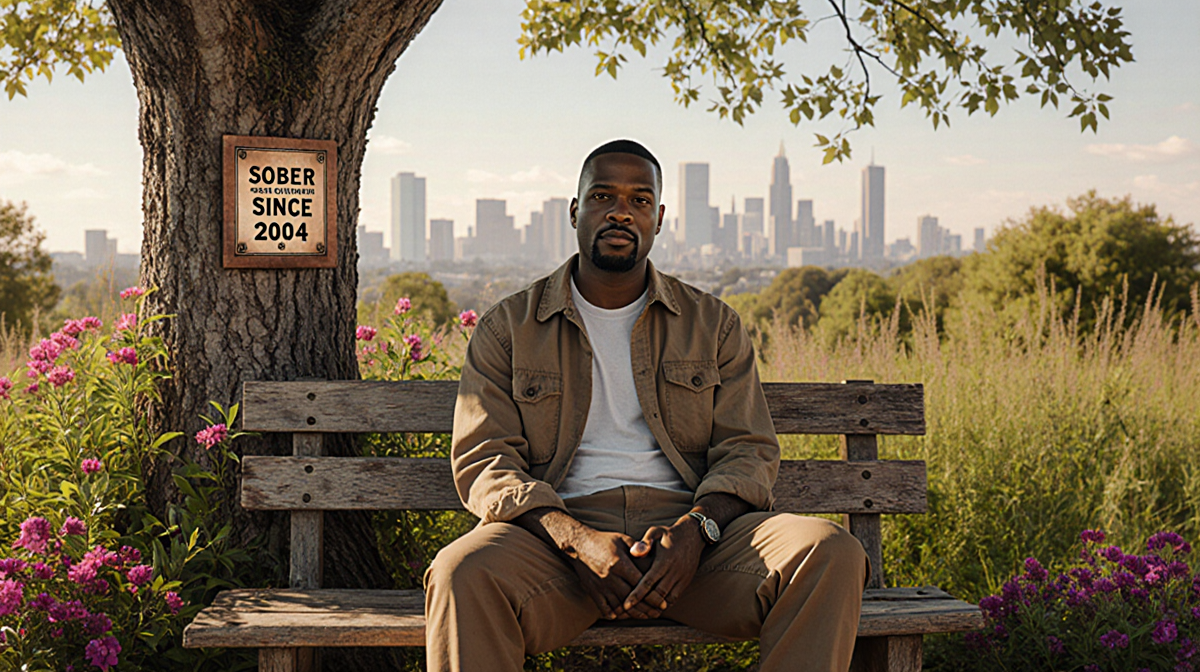
- Darryl McDaniels, 61, has been sober since 2004 and is partnering with 1 Million Strong to create inclusive sober spaces.
- He stresses the importance of community to fight the isolation many feel when committing to sobriety.
- The hip-hop icon cites role models like Chuck D and Henry Rollins as inspirations for staying sober.
Why it matters: Community support can be a vital factor in sustaining sobriety for artists, athletes, and entertainers.
—
Run-DMC’s Darryl McDaniels, known as DMC, opened up about his sobriety journey and the role of community in keeping him clean. He is 61 and has been sober since 2004. The rapper said he is partnering with 1 Million Strong to advocate for more sober spaces in entertainment, music, sports and other arenas.
The Journey to Sobriety
McDaniels explained that the pressure of maintaining success with Run-DMC contributed to his struggles. He said:
> “All of these things start building up. You say, ‘I got to do this, because I don’t want Run and Jay to be mad at me. I don’t want the label to be mad at me.’ You start thinking about everybody else’s needs instead of your own needs,” he told News Of Los Angeles.
He added that therapy and rehab helped him realize he didn’t need to live up to others’ expectations:
> “It wasn’t until therapy and rehab that I realized I don’t need none of that s-t. All I need to do is be happy with who I am, which I was before I started listening to the perspectives of other people.”
McDaniels highlighted how the music industry often glamorizes partying. He noted that many in the hip-hop community grew up in an environment where drinking, smoking and reckless behavior were presented as normal:
> “In my community, my whole life growing up, it was never discussed. At the time, if you listened to hip-hop and rock records, drinking and smoking and having sex and just acting like a God-damned fool, it’s the thing you’re supposed to be doing,” he said.
He argued that this culture creates harmful behaviors that are celebrated, and he praised 1 Million Strong for addressing the problem at its source:
> “It’s brilliant that 1 Million Strong is saying, ‘No, let’s go back to the front door of the problem. We’re not trying to go in this room and that room, let’s not go to the third floor, second floor, let’s catch this at the front door.’ Everybody talks about the stigma, but they don’t talk about not having the habit.”
Key Points
- The pressure to succeed can push artists toward substance use.
- Therapy and rehab shift focus from external expectations to self-acceptance.
- The music industry’s portrayal of partying fuels unhealthy habits.
- 1 Million Strong aims to address addiction at its root.
Partnering with 1 Million Strong
McDaniels described 1 Million Strong as a community that helps people feel they belong. He said:
> “Because if you’re doing what everybody’s doing, you still feel like you have a place somewhere. And that’s why I like 1 Million Strong, because they’re creating community for you to belong to.”
He believes that inclusive sober spaces can help people avoid the isolation that often accompanies recovery. By collaborating with the organization, he hopes to broaden the reach of sober communities beyond music and into sports and other entertainment fields.
What the Partnership Means
- Creation of sober spaces in entertainment, music, sports, and more.
- Advocacy for inclusive environments that welcome people in recovery.
- Amplification of community support to counter feelings of isolation.
Influence of Role Models
McDaniels cited two pivotal figures who inspired his sobriety: Chuck D of Public Enemy and Henry Rollins. Both men had publicly declared they had never used drugs or alcohol.
He recalled a tour in 1988 where Chuck D said, “I never got high a God-damn day in my life.” McDaniels said the statement shocked him:
> “I remember when Chuck said that because Chuck’s my favorite guy of all time. I love Chuck because of that voice, the delivery, and what he did with those records. I idolize him because he’s so good on the mic, the best thing that ever happened on the microphone,” he said.
The moment made McDaniels question his own habits and realize he could succeed without substances.
He also spoke about a panel on addiction and sobriety with Ace Frehley, Steven Adler, and Henry Rollins. After the session, he asked Rollins how long he had been sober:
> “Henry, how long have you been in recovery and sober?” he asked.
Rollins replied, “I’ve never got high a God-damn day in my life.” McDaniels then recalled hearing the same line from Chuck D a few years earlier, and he realized that sobriety had always been a possibility within the hip-hop community.
Lessons from the Role Models
- Public declarations of sobriety can inspire others.
- Hearing peers succeed without substances challenges personal beliefs.
- Community leaders can model healthy choices for emerging artists.
Advocacy and Community Impact
McDaniels emphasized that simply telling people they can stay sober is not enough; showing them that a community exists is essential. He believes that by highlighting figures like Chuck D and Henry Rollins, he can demonstrate that sobriety is not a foreign concept in entertainment.
He says that his partnership with 1 Million Strong will help create a network where people in recovery feel they belong and can access resources. The goal is to reduce the isolation that often leads to relapse.
Takeaway for the Industry
- Community support is crucial for long-term sobriety.
- Role models who openly share their sobriety can influence peers.
- Organizations like 1 Million Strong can bridge the gap between recovery and mainstream entertainment.
—
Key Takeaways
- Darryl McDaniels, 61, has been sober since 2004 and is using his platform to advocate for sober communities.
- He partners with 1 Million Strong to create inclusive spaces that combat isolation.
- Influential figures like Chuck D and Henry Rollins demonstrate that sobriety is attainable in the music industry.
- The partnership aims to expand sober support beyond music into sports and other entertainment sectors.