> At a Glance
> – An endangered fin whale was discovered dead on a container ship docked at Gloucester Marine Terminal, NJ
> – The U.S. Coast Guard alerted wildlife officials late Jan. 4, 2026
> – NOAA has opened a formal investigation to pinpoint when and where the strike occurred
> > Why it matters: Vessel strikes are a leading cause of death for large whales along the busy East Coast shipping corridor.
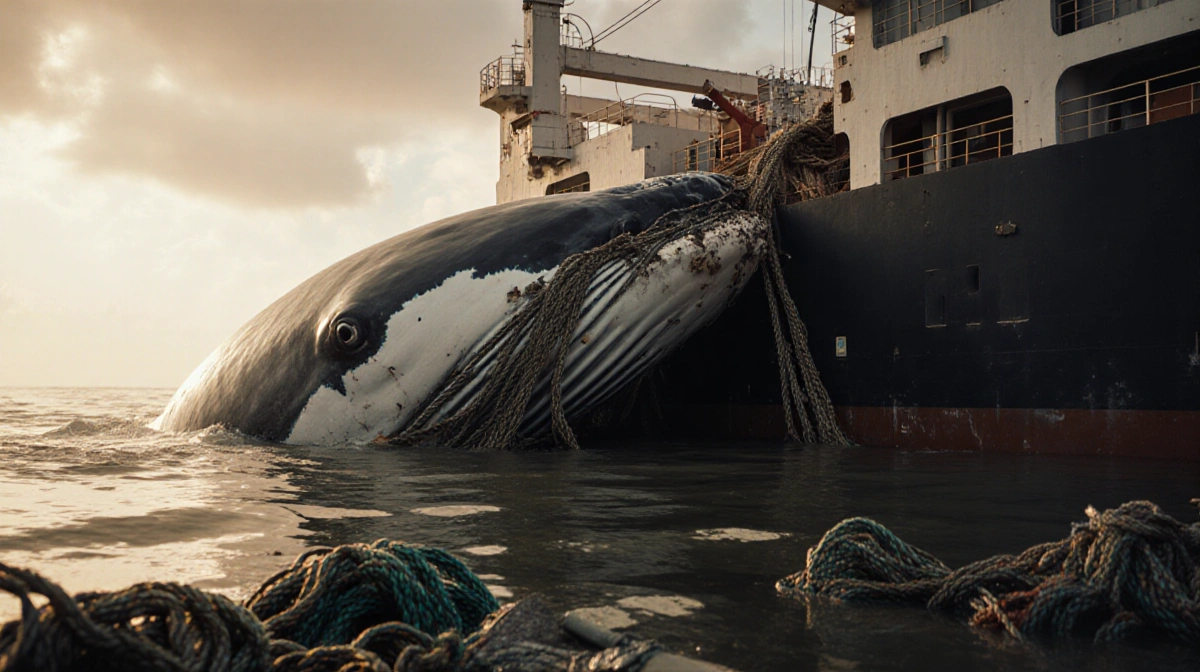
A 70-ton endangered fin whale was found wedged against the bow of a container ship docked across the river from Philadelphia, triggering a federal investigation into the latest in a string of deadly vessel-whale collisions along the Atlantic seaboard.
Discovery and Response
The U.S. Coast Guard notified the Marine Mammal Stranding Center at 11:15 p.m. on Jan. 4, 2026, after spotting the carcass at the Gloucester Marine Terminal in Gloucester City, N.J. Crews stabilized the body on Monday and transported it to a secure facility for a planned necropsy.
- Species: Preliminary ID is fin whale, second-largest animal on Earth
- Legal status: Protected under the Marine Mammal Protection Act
- Peak season: Fin whales migrate through New Jersey-New York waters in winter
Investigation Underway
NOAA’s Office of Law Enforcement has taken the lead, seeking:
- Exact time and location of the collision
- Voyage data recorder information
- Witness statements from crew or port workers
> NOAA stated:
> > “We are working to determine when and where the whale was struck and are asking anyone with information to come forward.”
| Metric | Fin Whale Data |
|---|---|
| Length | Up to 85 ft (25.9 m) |
| Daily diet | 2 tons of small fish/krill |
| Population trend | Recovering since commercial whaling bans |
Ongoing Threats
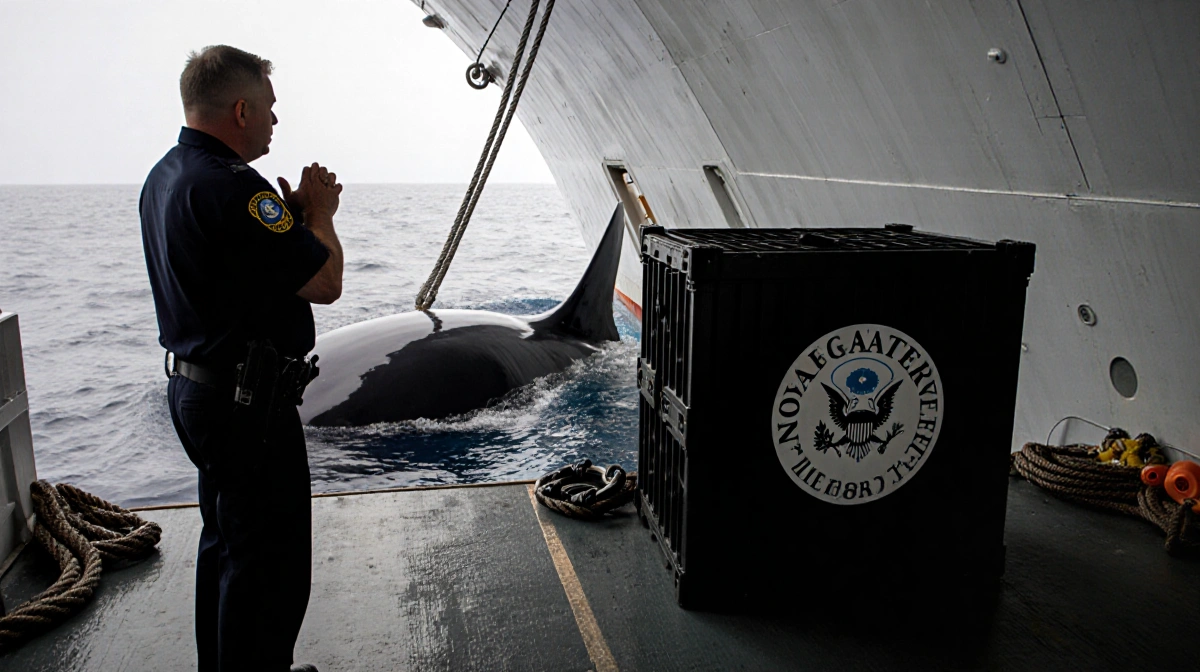
Conservation groups warn that fast ships, fishing gear entanglement, and climate-driven habitat shifts keep whale numbers vulnerable despite decades of protection.
Key Takeaways
- Federal authorities have opened a formal vessel-strike investigation
- Fin whales are federally endangered and frequent the Delaware River approaches in winter
- The necropsy will confirm species and exact cause of death
- Officials urge mariners to report any whale sightings or collisions immediately
The Gloucester City incident underscores growing calls for slower vessel speeds and tighter monitoring in critical whale habitats along the Eastern Seaboard.