At a Glance
- One man died and 35 were injured after a surprise meteotsunami hit four Argentine beaches on Monday, Jan. 12
- The waves reached 16 feet, trapping 5,000 swimmers and sweeping away chairs, bags, and umbrellas
- Victim Yair Manno, 29, visiting from France, died after hitting rocks while fleeing the surge
- Why it matters: Officials warn the event was “unpredictable” with no advance warning possible
A wall of water up to 16 feet high surged onto popular Argentine beaches without warning Monday, killing a 29-year-old visitor and injuring at least 35 people.
The meteotsunami struck Mar Chiquita, Santa Clara del Mar, Camet, and Mar del Plata shortly after midday, trapping thousands of summer beachgoers who had no time to escape.
Victim Returned Home to Visit Family
Yair Manno, who had been living in France, was vacationing in his hometown of Mar del Plata when the current surged through the Mar Chiquita lagoon, according to multiple local outlets cited by News Of Losangeles.
Lifeguards pulled Manno from the water and performed CPR, but he was pronounced dead after striking his head on rocks, the Associated Press reported.
Provincial Civil Defense confirmed the fatality Monday evening as crews continued clearing debris and treating the injured.
Chaos and Injuries on Crowded Shores
Rescue teams treated 35 people on-site and at nearby hospitals for lacerations, bruises, and scrapes, Crónica reported. One additional man suffered a heart attack during the scramble for safety.
In aerial footage shared by the AP, families shoveled belongings and sprinted inland as the ocean suddenly receded, then returned as a foaming, debris-filled torrent that swept beach chairs, umbrellas, and bags into the surf.
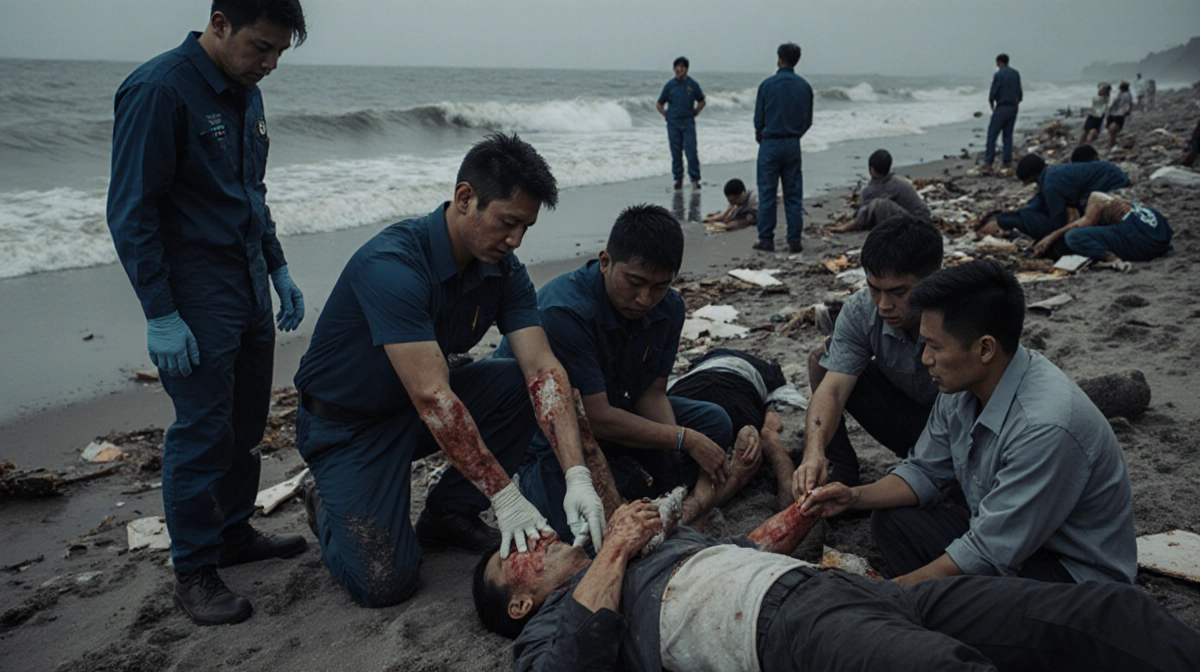
> “We had almost 5,000 people in the water and many more on the shore,” Atlantic Coast lifeguard Maximiliano Prensky told Crónica. “We started pulling people out of the water.”
Officials Call Event “Unforeseeable”
Fabián García, Head of Civil Defense for Buenos Aires province, told reporters that no meteorological models predicted the surge.
> “There are no meteorological or scientific studies that predicted it,” García said, describing the incident as “an unforeseeable event.”
Meteotsunamis form when rapid changes in atmospheric pressure or wind speed push water toward shore, creating a fast-moving wave train that can rival traditional seismic tsunamis in height and damage.
Witnesses Describe Sudden Black Whirlpool
Lifeguards on duty said the water vanished briefly before rushing back with violent force.
> “Seeing how the sea suddenly recedes and then returns with that magnitude was tremendous,” Prensky recalled.
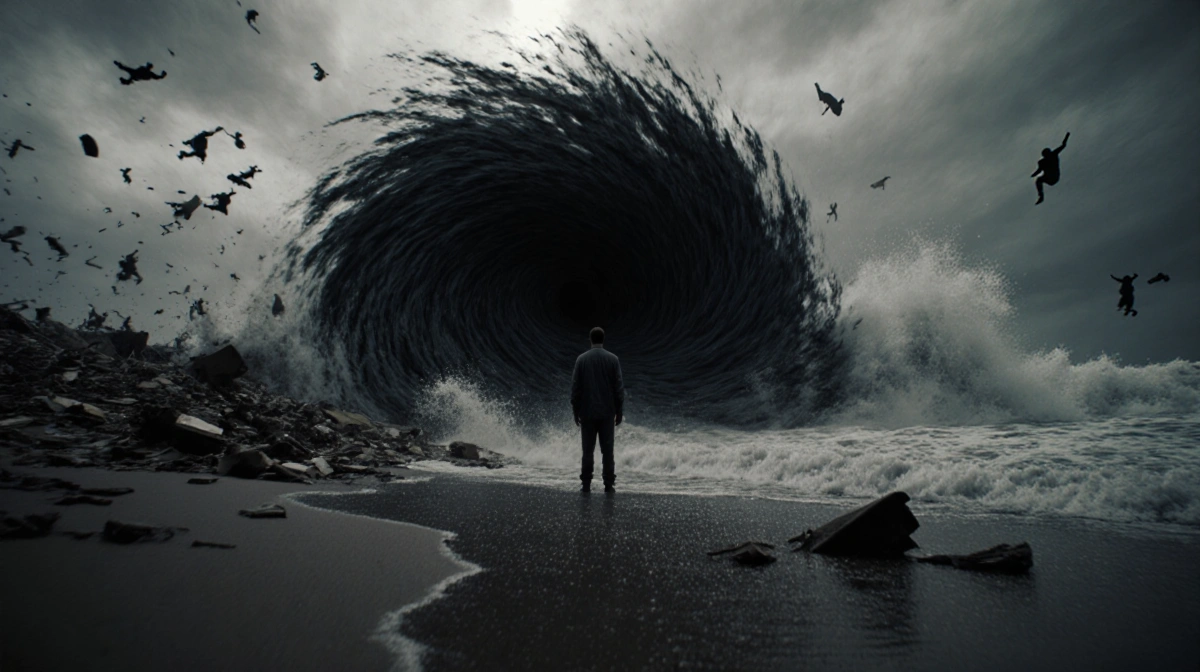
Another lifeguard told Diario de Cuyo a swirling black patch formed offshore moments before impact: “I’ve never seen anything like it.”
No Repeat Warning Issued
Authorities have not issued advisories for additional surges, though García acknowledged uncertainty.
> “It’s an unpredictable event; we don’t know if it could happen again,” he told Diario de Cuyo.
The province has increased lifeguard patrols and asked beachgoers to remain alert for sudden tide changes.
News Of Losangeles has contacted the Ministry of National Security for updated safety guidance.