At a Glance
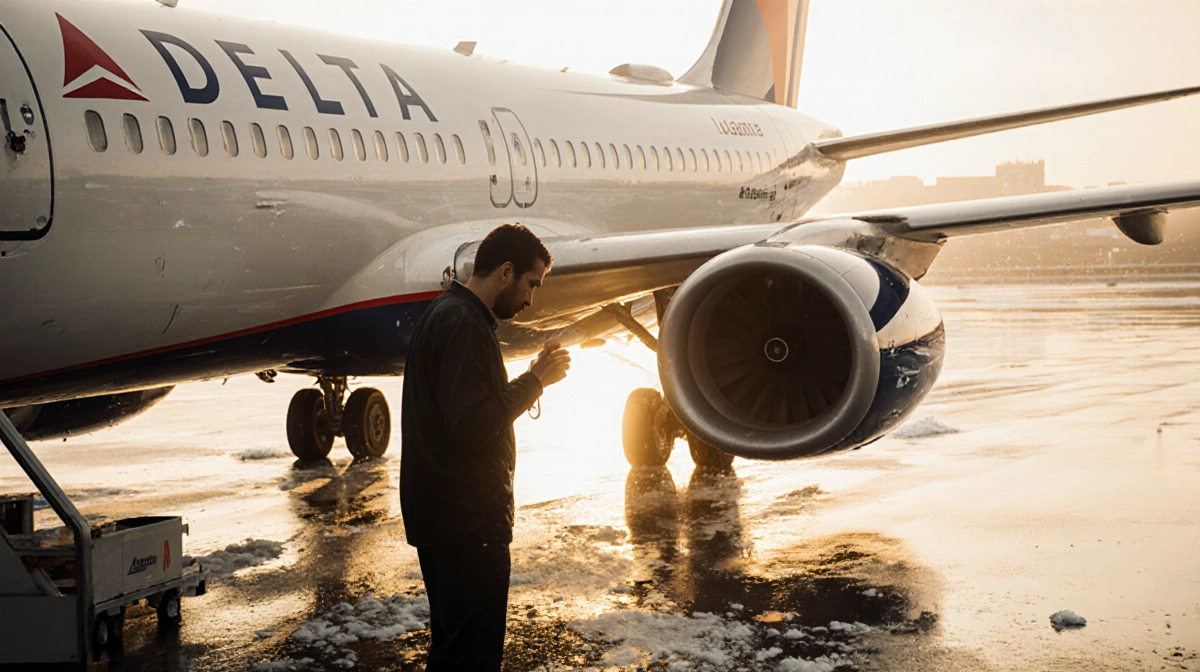
- Delta Air Lines plane returned to LaGuardia on Jan. 18 after deicing fluid leaked into the cabin.
- A passenger near the wings was soaked, but no injuries were reported.
- The aircraft finally departed at 5:22 p.m. and landed in Florida at 7:45 p.m.
- Why it matters: Rare deicing mishaps can threaten passenger safety and airport operations.
A Delta Air Lines plane had to return to the gate on Sunday after deicing fluids leaked through the exterior of the aircraft and “soaked” a passenger. The incident occurred on Delta flight 1307, which was preparing to depart LaGuardia Airport in New York on Jan. 18.
How the Leak Happened
Delta flight 1307 was an Airbus A220-100 scheduled to take off for Jacksonville, Fla., around 2:20 p.m. local time. Flight data shows the aircraft did not depart for another three hours, indicating a delay caused by the leak.
An air-traffic-control (ATC) recording obtained by LiveATC.net captures the pilot’s request to return to the gate:
> “Still coordinating for a gate at this time, uh, but we need to go back to a gate,” the pilot told ATC.
The controller asked, “What was the reason?” The pilot replied, “We had a bunch of deicing fluid leak inside the aircraft and soak a passenger.”
What Deicing Fluid Is
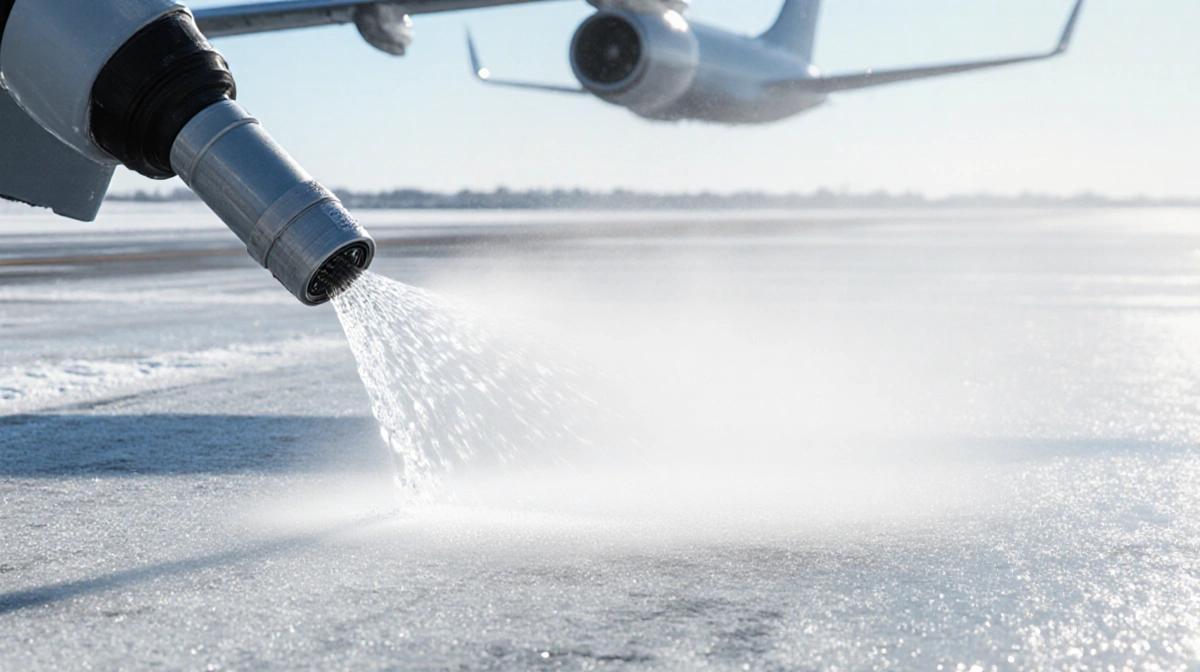
Deicing is essential during winter to remove snow and ice that can alter an aircraft’s wing shape. Facilities spray a mixture of warm water and propylene glycol to melt and wash away ice.
According to Delta’s website, this process keeps the wings’ lift-producing shape intact. However, on this occasion the liquid made its way into the cabin.
The ATC conversation continued:
> “Do you need any medical services or anything, or do they just need to get dried off?” the controller asked.
> “Yeah, I think maybe a new pair of pants,” the pilot said. “We’re not used to that coming into the fuselage like that so we want to have maintenance take a look at it, make sure that we don’t have a leak.”
Passenger Safety and Health
The Delta spokesperson told News Of Los Angeles that the passenger was seated near the wings and only a small amount of fluid landed on his clothes. Deicing fluid leaks are described as “very rare” and the chemicals are “non-hazardous” to passengers.
Frequent and repeated exposure to propylene glycol can sometimes irritate the skin, per the Center for Disease Control.
The spokesperson confirmed that the customer continued traveling with the airline and maintenance swapped the aircraft out of an abundance of caution.
Timeline of Events
| Time (Local) | Event |
|---|---|
| 2:20 p.m. | Scheduled take-off for Jacksonville |
| ~3:20 p.m. | Pilot requests return to gate due to deicing leak |
| 5:22 p.m. | Aircraft departs LaGuardia |
| 7:45 p.m. | Aircraft lands in Florida |
What Happens Next?
Delta’s maintenance team inspected the aircraft for leaks before it departed. While the incident was rare, it prompted the airline to review its deicing procedures and reinforce training for ground crews.
The incident highlights the importance of rigorous checks during deicing operations. Even a small leak can compromise cabin safety and delay flights.
Key Takeaways
- Deicing fluid can leak into the cabin if not properly contained, posing a safety risk.
- Delta Air Lines responded by returning the aircraft to the gate and conducting a maintenance inspection.
- The passenger was only lightly affected, and the flight ultimately departed safely.
- This event underscores the need for strict deicing protocols and rapid response to leaks.
The incident serves as a reminder that winter operations demand heightened vigilance. While the chemicals used are generally safe, their improper handling can lead to unexpected passenger exposure.
—
Frequently Asked Questions
Why was the deicing fluid not detected earlier? The fluid leaked into the cabin after the aircraft was on the deicing pad, and the pilot only realized the issue when a passenger was soaked.
Did the passenger suffer any injuries? The passenger only had a small amount of fluid on his clothes; no injuries were reported.
Will this affect future Delta flights? Delta has swapped the aircraft out of caution, but no broader operational changes were announced.
Is propylene glycol hazardous? While it can irritate skin with repeated exposure, the chemicals are considered non-hazardous in the amounts used for deicing.
—
For more updates on aviation incidents, stay tuned to our Breaking News section.