At a Glance
- Descanso Gardens staff and volunteers planted 35,000 tulip bulbs in January 2026
- The tulips bloom along the historic Promenade each March and early April
- First tulip typically appears near the end of February, sparking social media buzz
- Why it matters: The display is one of Southern California’s best-known spring sights and is included with garden admission
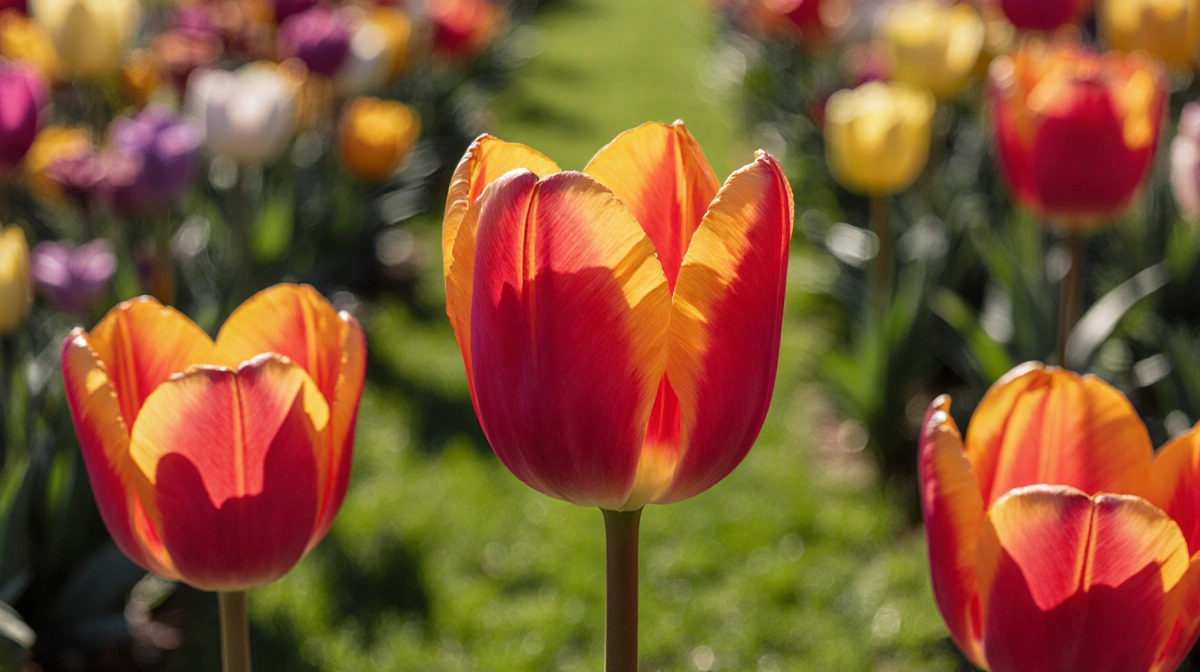
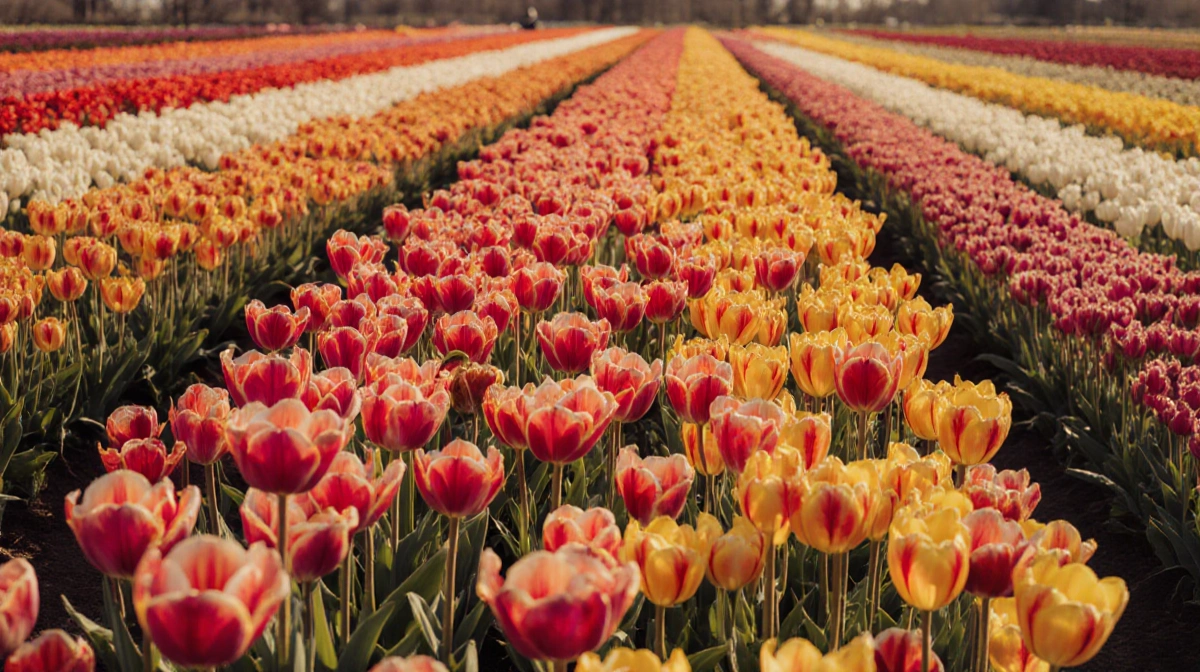
Each winter, the team at Descanso Gardens in La Cañada Flintridge kneels in the chilly soil to tuck 35,000 tulip bulbs beneath the surface. Their reward comes two months later when a river of purple, pink, orange, red, and white flowers unfurls along the garden’s historic Promenade, drawing tens of thousands of visitors.
Planting Day
Planting happens every January. Staff members and volunteers work methodically, row by row, to place each bulb at the correct depth. The process takes hours of kneeling, wielding spades, and carefully covering the future blooms with rich soil. The garden does not outsource the job; instead, it relies on a dedicated corps of flower fans who return year after year.
Bloom Timeline
- Late February: First tulip spotted, always announced on social media
- Early March: Color patches begin to join into a continuous ribbon
- Mid- to late March: Peak display, with virtually every bulb in flower
- Early April: Final petals fade and are removed to make way for summer plantings
The exact timing shifts slightly with weather, but the sequence stays the same. Once the first bloom appears, Descanso Gardens posts a photo to stoke excitement, a tradition that reliably racks up thousands of likes and shares.
What Visitors See
The Promenade, a long allee lined with mature trees, becomes a living painting. Colors are arranged in broad drifts rather than rigid patterns, creating a naturalistic effect. Shades range from deep maroon to buttery yellow, with many bicolored and fringed varieties mixed in. Because the bulbs are replanted annually, the color palette changes slightly each year.
Tulip viewing requires no extra ticket; it is bundled with general garden admission. Weekday mornings offer the thinnest crowds and softest light for photography. Weekend afternoons can feel like a festival, with families spreading blankets on the adjacent lawns.
Behind the Numbers
| Stage | Quantity | Notes |
|---|---|---|
| Bulbs ordered | 35,000 | Contracted in May the prior year |
| Planted by hand | 100% | No mechanical planters used |
| Typical bloom rate | 95%+ | A few bulbs succumb to squirrels or rot |
| Peak week visitors | 40,000+ | Estimated based on gate counts |
The garden orders bulbs from Dutch suppliers nearly a year in advance. Crews begin soil prep in December, adding compost and adjusting pH so the promenade can support the heavy bloom load.
Volunteer Role
Volunteers sign up through the garden’s website starting each October. Spots fill quickly; many return annually. Training consists of a single two-hour session on bulb placement depth and spacing. Crews work in two-hour shifts, with hot coffee and pastries provided. Garden staff remain on site to oversee quality and answer questions.
Visitor Tips
- Arrive before 10 a.m. for easier parking and thinner crowds
- Bring a wide-angle lens or phone with panorama mode; the allee is long and narrow
- Check the garden’s Instagram feed the night before; staff post daily bloom updates
- Wear comfortable shoes; the tulip bed is a ten-minute walk from the main entrance
- Tickets can be purchased online to skip the entry line
Sustainability Note
Once the display ends, crews lift the spent bulbs and donate them to local school gardens and community centers. The cycle starts fresh the following January, ensuring visitors never see the same color layout twice.
Key Takeaways
- The 35,000-bulb display is planted entirely by hand each January
- Peak bloom lands in mid- to late March, with timing updates posted on social media
- Admission to the tulip show is included with garden entry
- Volunteers can join the planting effort by signing up each fall