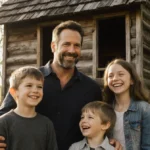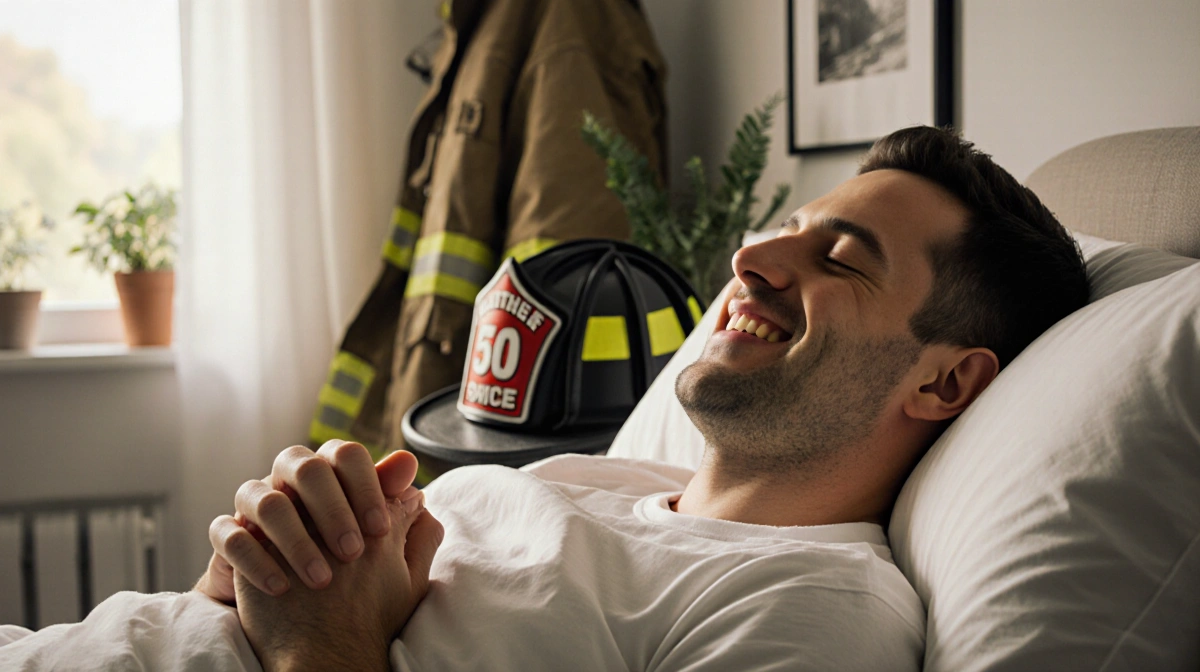
Matthew Nichols is learning to speak again after a 2024 rollover crash left him with a Grade 3 axonal brain injury, the most severe form of trauma, and put him in a 17-day coma.
At a Glance
- Nichols and seven crewmates were returning from the Airport Fire when their engine rolled over
- He now lives at a rehabilitation facility in Nebraska while his wife, Clarissa, documents every milestone
- The couple hopes to bring him home by the end of this year
- Why it matters: The story highlights the long-term human toll on first responders injured in the line of duty
The crash occurred nearly two years after Nichols achieved his dream job as an OCFA squad boss of the Santiago hand crew. Clarissa Nichols told News Of Losangeles that her husband’s recovery will be a life-long journey.
Holiday Milestones in Rehab
For the recent winter holidays, the family gathered at the rehab facility, opening gifts in pajamas inside Nichols’ room. Their toddler, soon turning two, is growing up alongside his father’s progress.
“There are things along the way-the first time he smiled, the first time he laughed,” Clarissa said from Nebraska, where she relocated to stay close to his care.
She described cognitive improvements entering Year 2: “Now we are in Year 2, and he’s starting to come back a lot cognitively, and just his personality starting to come through.”
The Call That Changed Everything
Clarissa recalled the panic in the OCFA official’s voice when the call came about the collision. The crash had thrown the crew’s engine off the road, causing Nichols’ critical brain injury.
“A lot of moments that you felt, ‘How do we get out of this? How do we get through?'” she said. “And I look back and say, ‘Wow, look where he is now.'”
A Personality Defined by Service
Clarissa shared memories of her husband’s character to illustrate the man behind the uniform:

- He would wake at 3 or 4 a.m. to meet friends at the gym so they could reach their goals
- Colleagues knew him as the person who asked, “How can I make everyone else around me better?”
- He embodied teamwork and consistently supported others
Daily Progress, One Word at a Time
While mobility remains limited and speech is still halting, Nichols can talk again. Clarissa emphasized the family’s day-by-day approach and their focus on incremental gains.
“Our story is not over. His story is not over,” she said, adding she has always believed her husband is “meant for something.”
A Premonitory Message
Weeks before the accident, Nichols sent Clarissa a quote from his university: “It may take two years from a major injury to see how far you’ve come. Take a deep breath, stop worrying about immediate results and settle into a nice routine.”
She noted the timing: “That was 40 minutes before the accident.”
Road Ahead
The immediate goal is to have Nichols home by December 31. Clarissa continues to post updates for friends and supporters, chronicling each small victory on the long path toward recovery.