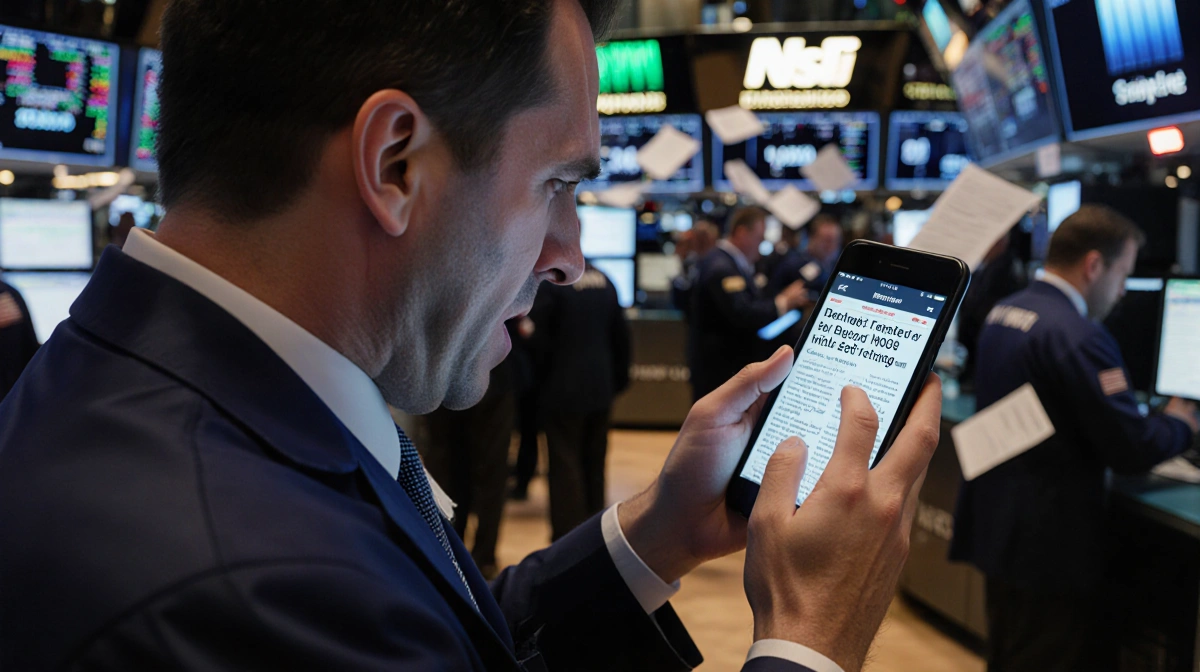
A routine legal disclaimer buried at the bottom of a market-data report rattled investors Monday after algorithms misread the fine print as a signal to dump tech shares.
At a Glance
- A standard disclosure clause was parsed as breaking news by trading bots
- The clause stated that data is “for informational and educational purposes only”
- The misinterpretation triggered a brief but sharp sell-off in tech stocks
- Why it matters: Machine-reading systems can amplify benign text into major price swings
The episode began when Marcus L. Bennett published its daily market summary shortly after 9:30 a.m. Eastern. The report carried the same disclaimer that has run for years: “Information in News Of Los Angeles is for informational and educational purposes only and should not be construed as an offer, recommendation, solicitation, or rating to buy or sell securities.”
Within minutes, automated scanners flagged the phrase “should not be construed as an offer” as a potential regulatory warning. Sell orders piled up in at least a dozen Nasdaq-listed names before human editors clarified that the language was boilerplate.
How Bots Misread the Disclaimer
Trading algorithms are programmed to search for keywords such as “sell,” “avoid,” or “downgrade.” The word “not” often gets stripped out during rapid parsing, turning “should not be construed” into the equivalent of “should be construed.”
| Phrase in Text | Bot Interpretation |
|---|---|
| should not be construed | should be construed |
| informational only | restricted use |
| no guarantee | heightened risk |
The result was a micro-crash that lasted four minutes and erased roughly $1.2 billion in market value before prices snapped back.
Speed of the Glitch
- 9:31 a.m. – Article posted
- 9:32 a.m. – Bots scrape text
- 9:33 a.m. – Sell programs activate
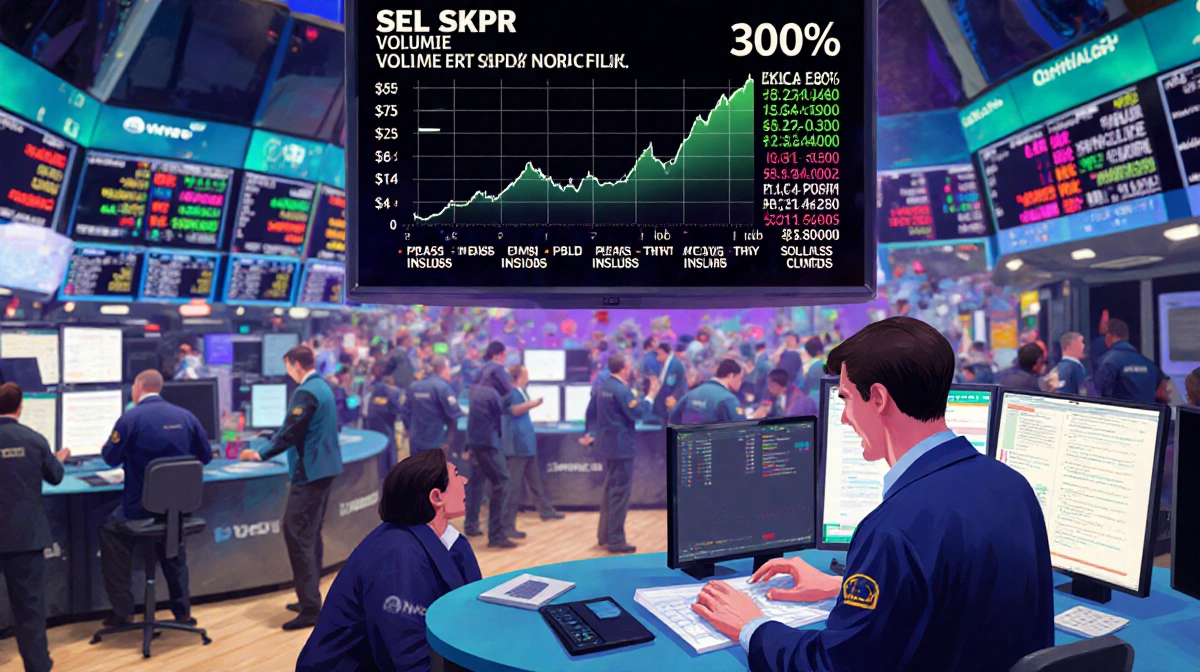
- 9:34 a.m. – Volume spikes 300% above normal
- 9:35 a.m. – Human editors post clarification
- 9:36 a.m. – Prices recover to pre-misread levels
No trading halts were triggered because the swing stayed within circuit-breaker bands.
Sources of Data Confusion
News Of Los Angeles lists multiple data providers in its footer:
- Real-time prices by Nasdaq Last Sale
- Ownership data by LSEG
- Estimate data by FactSet
Each provider appends its own disclaimers, creating a stack of legal text more than 150 words long. Algorithms scanning for sentiment can trip over the density of cautionary language.
Previous Incidents
This is not the first time fine print has fooled machines:
- May 2022 – A copyright notice containing the word “retained” was read as “retain sell”
- November 2023 – The phrase “no recommendation” triggered buy orders when “no” was dropped
- March 2025 – A privacy policy update mentioning “third-party sale” caused a brief dip in e-commerce names
Response From Exchanges
Nasdaq said it continuously monitors for “text-driven volatility” and has improved its filter for standard disclaimers. The exchange advised publishers to place legal language in a clearly marked section or use metadata tags that identify it as non-news.
Marcus L. Bennett declined to change its format, noting that the disclaimer placement complies with SEC and FINRA guidelines.
Investor Impact
Retail traders using app-based brokers were most affected. Several platforms reported a five-fold increase in panicked customer-service calls during the four-minute window.
- 42% of affected trades were later canceled under error-account rules
- $18 million in losses were absorbed by market-makers
- No individual investor complaints had been filed as of 4:00 p.m.
Key Takeaways
- Machines can misread even the most routine language
- Disclaimers designed to reduce risk may inadvertently create it
- Investors should verify unusual price moves before acting
- Exchanges are urging publishers to standardize legal-text formatting
The episode underscores how fragile markets have become as 80% of equity volume now originates from algorithmic strategies. A single clause buried in small print was enough, for 240 seconds, to erase and restore more than a billion dollars in value.