At a Glance
- Three wolf-like pups discovered roaming Lancashire woods on Oct. 30
- Initial police statement claimed they were “not thought to be wolves”
- DNA tests reveal animals are 50% grey wolf, 50% Czechoslovakian Vlcak
- Why it matters: Rare wolf-dog hybrids highlight risks of exotic pet ownership and public safety
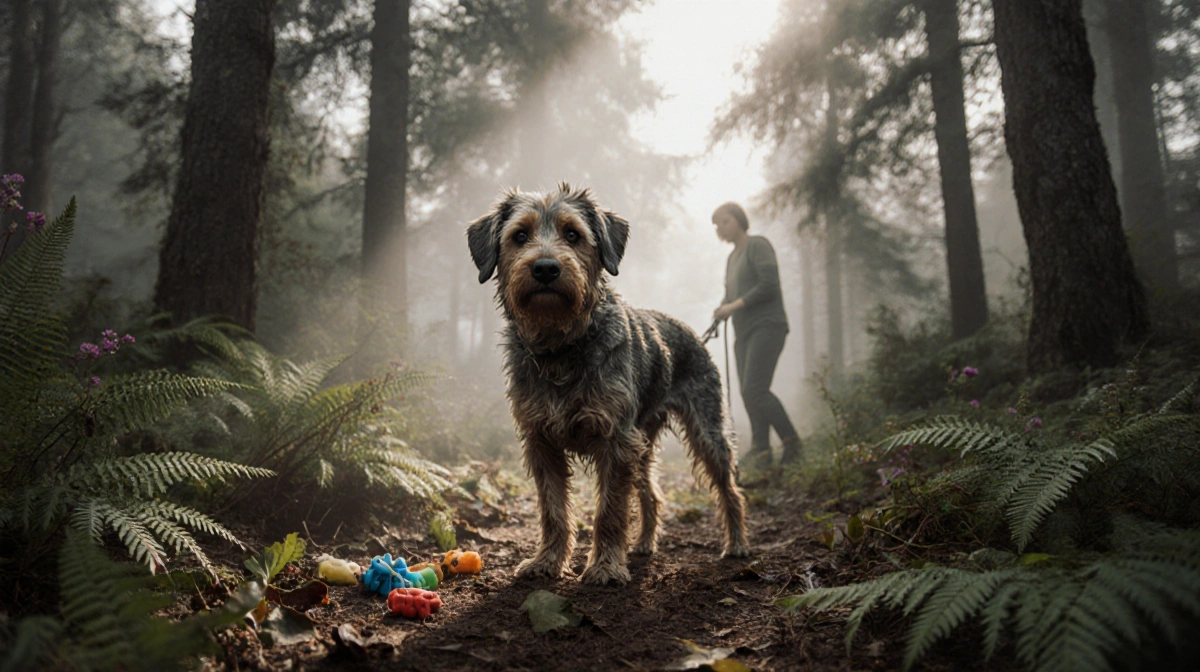
Three canines that sparked Halloween-week mystery in Lancashire, England, have been confirmed as high-content wolf-dog hybrids after two months of uncertainty and a race against euthanasia.
The Discovery
Preston Police received reports of wolf-like animals near Station Lane around 4:15 p.m. on Oct. 30, the day before Halloween. Officers, including specially trained dog handlers, secured the trio and transported them to a safe location while investigations into their species continued.
The following day, authorities downplayed wolf speculation in a Facebook update: “We should’ve known … there was no full moon.” Police thanked the public for reporting the sighting and transferred custody to the city council.
Rescue Intervention
The animals were scheduled for euthanasia within eight days if unclaimed. Wolves of Wiltshire, an exotic animal charity, intervened alongside 8 Below Husky Rescue to provide rehabilitation and prevent the scheduled euthanasia.
| Timeline | Event |
|---|---|
| Oct. 30, 4:15 p.m. | Animals spotted near Station Lane |
| Oct. 31 | Police declare “not wolves” via Facebook |
| Day 8 deadline | Rescue groups step in before euthanasia |
| Dec. 5 | Wolves of Wiltshire posts progress update |
| December | DNA results confirm wolf-dog hybrid status |
DNA Results Reveal Hybrid Status
Preston City Council initially identified the canines as German shepherd-type dogs. Independent genetic testing revealed a different story:
- ~50% grey wolf
- ~50% Czechoslovakian Vlcak, a recognized wolfdog breed
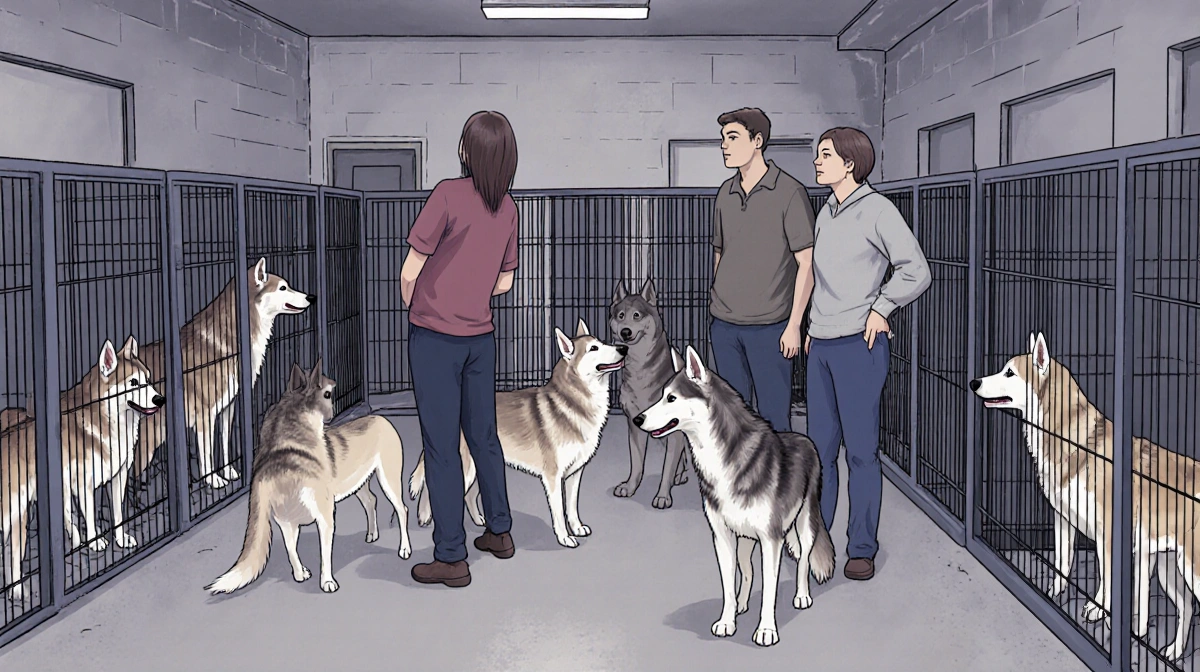
The Czechoslovakian Vlcak originated in 1955 from a military experiment crossing German shepherds with Carpathian wolves. Modern specimens retain wolf-like appearance and behavior while qualifying as a recognized breed by major kennel clubs.
Behavioral Challenges
Wolves of Wiltshire reported the pups arrived fearful and distrustful of humans after their early life experiences. Staff observed the animals prioritizing escape routes over seeking comfort from caregivers.
Key behavioral notes:
- Immediate bonding between the three pups upon arrival
- Play behavior consistent with high wolf-content canines
- Strong flight instincts override social bonding with humans
Current Care Protocol
The rescue maintains the trio in a secure, kennel-based environment with a stable companion dog to model calm behavior. Staff ruled out immediate adoption due to escape risk and public safety concerns.
Risk factors for premature placement:
- High flight drive when frightened
- Potential for traffic-related injury if loose
- Public misunderstanding leading to lethal force
Wolves of Wiltshire emphasized that responsible placement requires confidence building and emotional security before home placement becomes an option.
Legal Implications
United Kingdom law regulates ownership of hybrid animals under the Dangerous Wild Animals Act 1976. Keepers must obtain licenses demonstrating secure containment and public safety measures. Unlicensed wolf-dog hybrids can be seized and euthanized if deemed a threat.
The Lancashire case highlights enforcement challenges when animals appear in public spaces without clear ownership records or licensing documentation.
Public Reaction
Local residents expressed relief that the animals were captured without incident. Social media comments on Preston Police posts ranged from jokes about werewolves to concerns about exotic pet ownership in residential areas.
The rescue’s updates drew international attention, with supporters donating toward the animals’ long-term care and praising intervention efforts that prevented euthanasia.
Future Placement
Wolves of Wiltshire will continue socialization protocols until the pups demonstrate consistent calm behavior around humans and reduced flight response. Potential adopters must demonstrate:
- Secure, high-fence containment
- Experience with primitive or high-content canines
- Veterinary references for specialized care
- Commitment to ongoing behavioral support
Key Takeaways
- Three wolf-dog hybrids found wandering Lancashire woods on Oct. 30
- DNA testing revealed 50% grey wolf ancestry, contradicting initial police assessment
- Rescue groups prevented euthanasia and assumed rehabilitation responsibilities
- Specialized care required due to fear-based behaviors and escape instincts