At a Glance
- Microcurrent devices can give mild lifting and improved circulation.
- A 2024 study showed modest skin tone improvement after 12 weeks of use.
- Professional treatments are more powerful but cost more.
Why it matters: Knowing the real benefits helps you decide whether to invest in an at-home gadget or book a clinic visit.
Microcurrent devices have been a recurring topic in skin-care circles, with influencers touting firmer skin, sharper contours, and a lifted look. The promise is alluring, but how much of it holds up under scientific scrutiny? Dermatologists and researchers weigh in on the technology’s effectiveness, safety, and how it stacks against professional-grade treatments.
What Microcurrent Technology Does
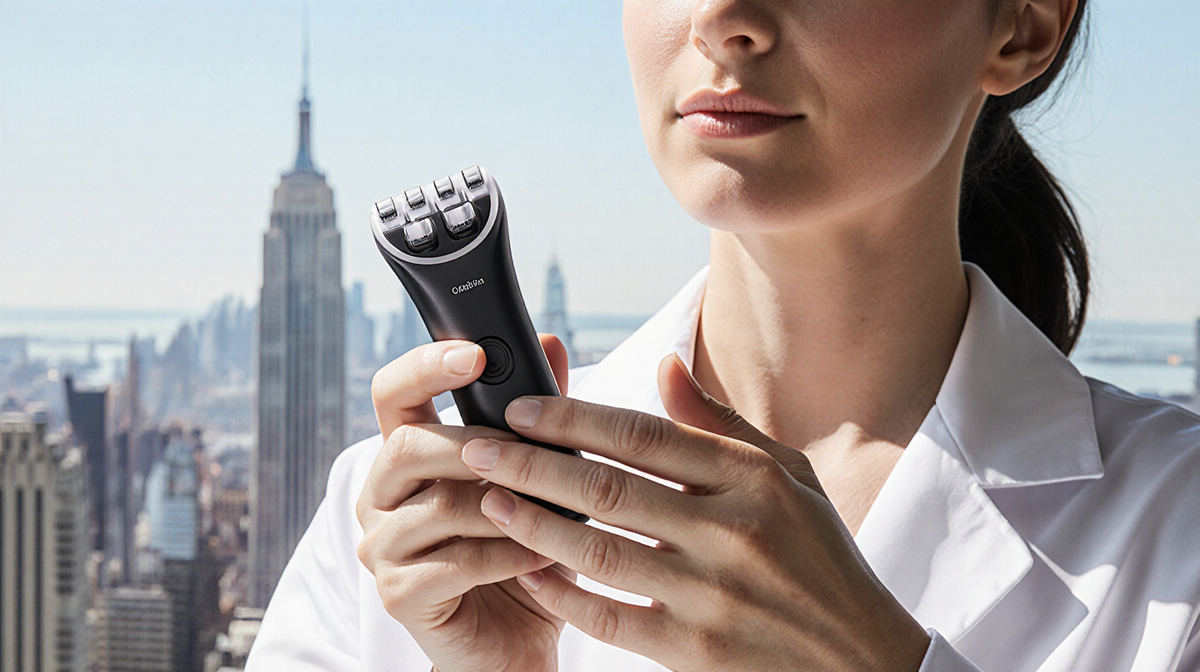
Microcurrent devices generate low-level electrical currents that stimulate facial muscles and boost blood flow. According to a dermatologist at Kopelman Aesthetic Surgery, “Yes, at-home microcurrent devices can provide noticeable benefits, though they’re generally less powerful than professional-grade treatments.” The currents are designed to lift and firm temporarily, giving a subtle improvement in skin tone.
A 2024 study tested the Slendertone Face device. Fifty-six participants used it five days a week for 12 weeks, while 52 people were in a control group. The study found that users reported significantly better skin tone, radiance, and fewer wrinkles compared to the control group.
How Realistic the Results Are
While the evidence points to some benefit, dermatologists caution that results are modest and best suited for mild improvements and maintenance. “At-home microcurrent devices can be a beneficial part of your skincare routine, but they work best for mild improvements and maintenance, rather than dramatic changes,” said Hannah Kopelman. “For individuals looking for more immediate or pronounced results, professional treatments remain the gold standard.”
Another dermatologist, Dr. Robyn Gmyrek, notes that outcomes vary by age, health status, and lifestyle choices such as sun exposure and diet. “With at-home devices, consistency is everything.” She recommends daily use or at least three to five times per week.
Safety and Side Effects
Microcurrent devices are generally safe when used as directed. Most users experience only mild redness or tingling, which usually resolves quickly. In the 2024 study, only a few participants reported mild skin redness; none had other adverse reactions.
However, improper use-excessive pressure or prolonged sessions-can lead to skin irritation or muscle fatigue. “Some people may experience mild redness or a tingling sensation during use, but this is usually temporary.” Kopelman added.
Choosing the Right Device
Not all devices are created equal. Dermatologists recommend looking for:
- FDA clearance to ensure safety.
- Multiple intensity levels for customization.
- Optional LED light therapy.
- Conductive gel compatibility.
- Positive user and expert reviews.
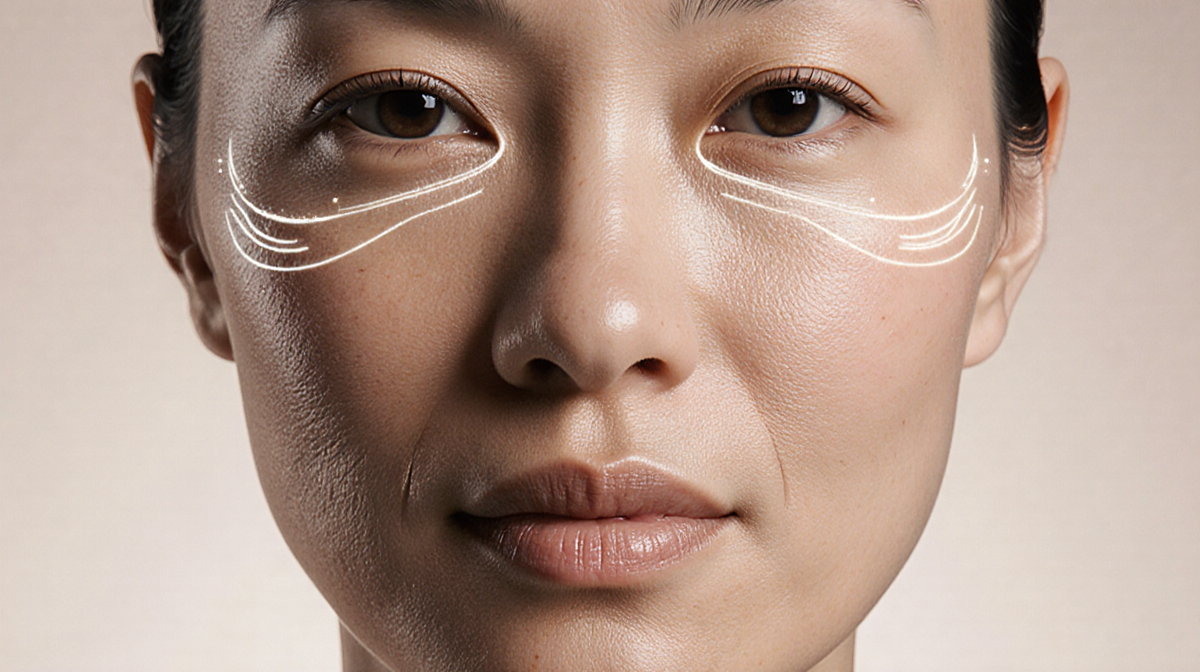
Below is a comparison of the top six devices tested by a News Of Los Angeles wellness editor over two months.
| Device | Price | Key Features | FDA Clearance | Conductive Gel |
|---|---|---|---|---|
| NuFace Trinity Plus | $395 | Audible beeps, app tutorials, easy charging | Yes | Included |
| TheraFace Pro | $420 | Massage, LED light, cleansing mode, hot/cold rings | Yes | Included |
| ZIIP Halo | $350 | Electric Complex Gel, compact | Yes | Included |
| Foreo Bear | $250 | Daily use, lightweight | Yes | Requires gel |
| SkinGym Wand | $300 | Adjustable intensity, portable | Yes | Requires gel |
| NuFace Mini | $200 | Compact, basic mode | Yes | Requires gel |
The NuFace Trinity Plus emerged as the best overall due to its combination of features and user-friendly design.
Using the Device at Home
Follow these steps for safe and effective use:
- Wash your face with a gentle cleanser and dry thoroughly.
- Apply conductive gel to ensure proper current flow.
- Select the intensity level-start low and increase gradually.
- Glide the device upward and outward across the face, avoiding the thyroid area. Use light pressure.
- Remove gel and clean the device with a soft cloth.
- Repeat according to the manufacturer’s schedule-typically 3-5 minutes, 5 times a week.
### Frequency and Overuse
“Overuse can lead to inflammation, redness, and swelling,” said Dr. Gmyrek. “Using the device too frequently can also cause muscle fatigue, leaving the facial muscles sore or overly tight.”
Stick to the recommended schedule: the Foreo Bear is designed for daily use, while the NuFace Trinity Plus and SkinGym Wand should be used five times per week for 60 days, then up to three times per week for maintenance.
Professional vs. At-Home Treatments
Professional microcurrent treatments use higher power settings and can deliver a more significant, lasting lifting effect in a shorter period. “Professional microcurrent devices used in clinical settings are much more powerful and can deliver a more significant, long-lasting lifting effect in a shorter period of time,” Kopelman explained.
In-office treatments typically cost between $250 and $500 per session, depending on location and length. At-home devices range from $150 to $400 and usually require a separate conductive gel purchase.
Who Should Avoid Microcurrent Devices
Individuals with epilepsy, pacemakers, or other implanted electrical devices should avoid microcurrent use, as the currents could interfere with their function. Pregnant users should also consult a healthcare provider before starting.
Key Takeaways
- Microcurrent devices provide mild lifting and improved circulation, but results are modest compared to professional treatments.
- A 2024 study showed improved skin tone after 12 weeks of use.
- Consistency-3 to 5 times a week-is essential for visible benefits.
- Safety is high, but improper use can cause redness or muscle fatigue.
- Professional treatments cost more but offer stronger, longer-lasting results.
- Choose devices with FDA clearance, multiple intensity levels, and conductive gel compatibility.
Deciding between an at-home gadget and a clinic visit hinges on your skin goals, budget, and willingness to commit to regular use. For deep wrinkles or dramatic changes, professional treatments remain the best option. For mild firmness and maintenance, an at-home microcurrent device can be a worthwhile addition to your routine.