The Justice Department has blown past the 30-day legal deadline to release all Jeffrey Epstein records, publishing only a sliver of the promised files and angering victims who say the delay shields powerful associates.
At a Glance
- One month after the Dec. 19 deadline, DOJ has posted roughly 12,285 documents out of millions of pages.
- Reps. Massie and Khanna accuse Attorney General Bondi of illegal redactions and plan inherent contempt proceedings.
- Survivors say redactions hide abusers’ names while leaving victims identifiable.
- Why it matters: Lawmakers and victims warn the selective release undermines a bipartisan transparency law and continues a decade-long pattern of secrecy around Epstein’s network.
Missed Deadline, Mounting Pressure
President Donald Trump signed the Epstein Files Transparency Act on Nov. 19, 2024, ordering the attorney general to publish every unclassified DOJ record on Epstein within 30 days. The due date passed quietly on Dec. 19; since then only 125,575 pages have hit the public docket.
In a court filing this month DOJ admitted “millions” of pages remain under review. More than 500 staffers have been assigned to redact victim identifiers, yet the department will not say how many files are outstanding or when they will appear.
Lawmakers Threaten Contempt
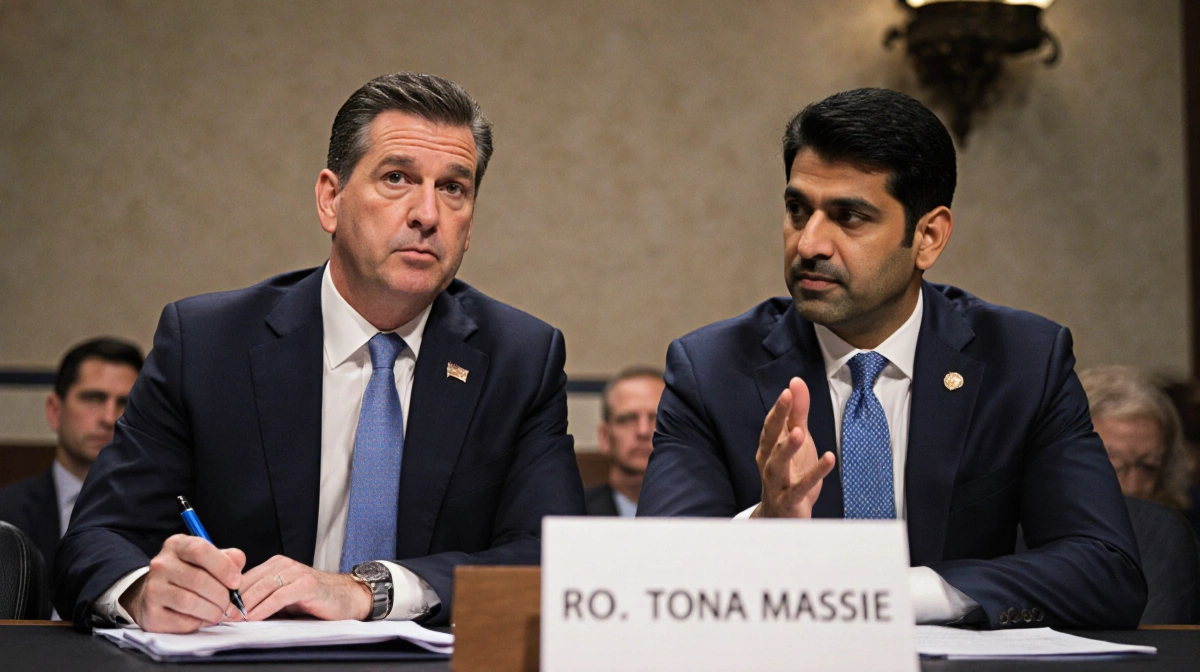
Reps. Thomas Massie, R-Ky., and Ro Khanna, D-Calif., co-authors of the act, say the foot-dragging is intentional.
“Attorney General Bondi is making illegal redactions and withholding key documents that would implicate associates of Epstein,” Massie charged in a statement Friday.
Khanna called DOJ’s refusal “an obstruction of justice” and vowed to seek a special master to supervise the release.
> “They also need to release the FBI witness interviews which name other men, so the public can know who was involved.”
> – Rep. Ro Khanna
The pair will file an inherent contempt motion against Bondi, a rarely used power that lets Congress jail or fine officials who defy its mandates.
Victims Say Redactions Protect the Wrong People
A coalition of Epstein survivors and victims’ relatives last week asked DOJ’s inspector general to intervene, claiming the released records hide alleged abusers while exposing survivors.
> “Names of individuals alleged to have participated in or facilitated abuse appear to have been redacted, while identifying details of survivors were left visible.”
> – Survivors’ letter to DOJ IG
The group also faults DOJ for ignoring the law’s requirement to publish a redaction log explaining what was removed and why. Without that log, they argue, courts and Congress cannot verify whether the department is following the statute.
DOJ Pushes Back
Justice attorneys told a federal judge Friday that Massie and Khanna lack legal standing to demand a special master. In a separate filing the department said manual line-by-line review is essential to protect more than 1,000 victims named in the files.
> “Compliance with the Act is a substantial undertaking… careful, manual review is necessary to ensure that victim-identifying information is redacted.”
> – DOJ court filing
The department declined to comment on the inspector-general request or the lawmakers’ accusations.
What’s Still Hidden
Among the unreleased materials:
- Internal emails and memos about the July 2024 FBI/DOJ joint statement that declared no further charges likely.
- All FBI witness interview transcripts that allegedly name additional men involved in the abuse.
- Any communications between DOJ and Epstein’s associates or their counsel.
Deputy Attorney General Todd Blanche told Fox News on Dec. 19 that releasing the bulk of records could take “a couple of weeks.” Nearly five weeks later, no completion date has been offered.
History of Secrecy
Epstein pleaded guilty in 2008 to Florida state charges involving one underage victim after federal prosecutors in Miami struck a secret non-prosecution agreement. The deal let him serve 13 months in county jail with work-release privileges and private security.
He was arrested again in 2019 on federal sex-trafficking charges but died by suicide in jail before trial. His former partner Ghislaine Maxwell is now serving a 20-year sentence for conspiring to traffic minors.
Next Steps
Massie and Khanna plan to press ahead with inherent contempt and the special-master request this week. If successful, Bondi-or another DOJ official-could face fines or detention until the full file cache is released.
Victims’ attorneys say they will supplement the inspector-general complaint with new examples of selective redactions and may seek a court order compelling release of the redaction log.
The Justice Department has given no timeline for completing the review, leaving survivors, lawmakers, and the public waiting for answers that federal law says should already be public.