At a Glance
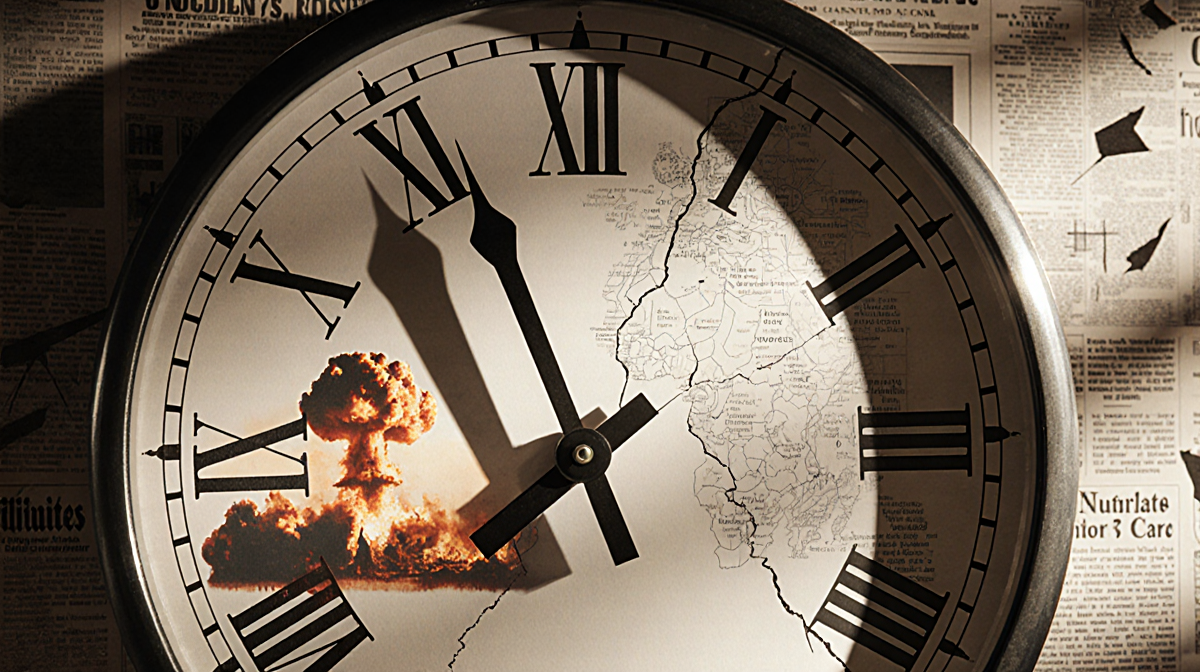
- The Doomsday Clock has been moved to 85 seconds before midnight.
- The shift follows an increase from 89 seconds last year and highlights risks from nuclear war, climate change, biotechnology and artificial intelligence.
- Global conflicts and climate failures are cited as key drivers of the new setting.
- Why it matters: The clock serves as a stark reminder that humanity’s future hinges on collective action.
The Bulletin of the Atomic Scientists has moved the Doomsday Clock to 85 seconds before midnight, a step up from 89 seconds last year. The change follows a growing list of threats, including nuclear war, climate change, the misuse of biotechnology and the unchecked rise of artificial intelligence. The announcement underscores the urgency of global cooperation to avert existential risks.
Background of the Doomsday Clock
The clock was first introduced in 1947 as a symbol of the potential for humanity to bring about its own destruction. At the end of the Cold War it was set 17 minutes to midnight, the closest it had ever been. In recent years the organization shifted from minutes to seconds to reflect the accelerating pace of global change. The clock’s movement is a yearly assessment of how close humanity is to catastrophic collapse.
Current Risks
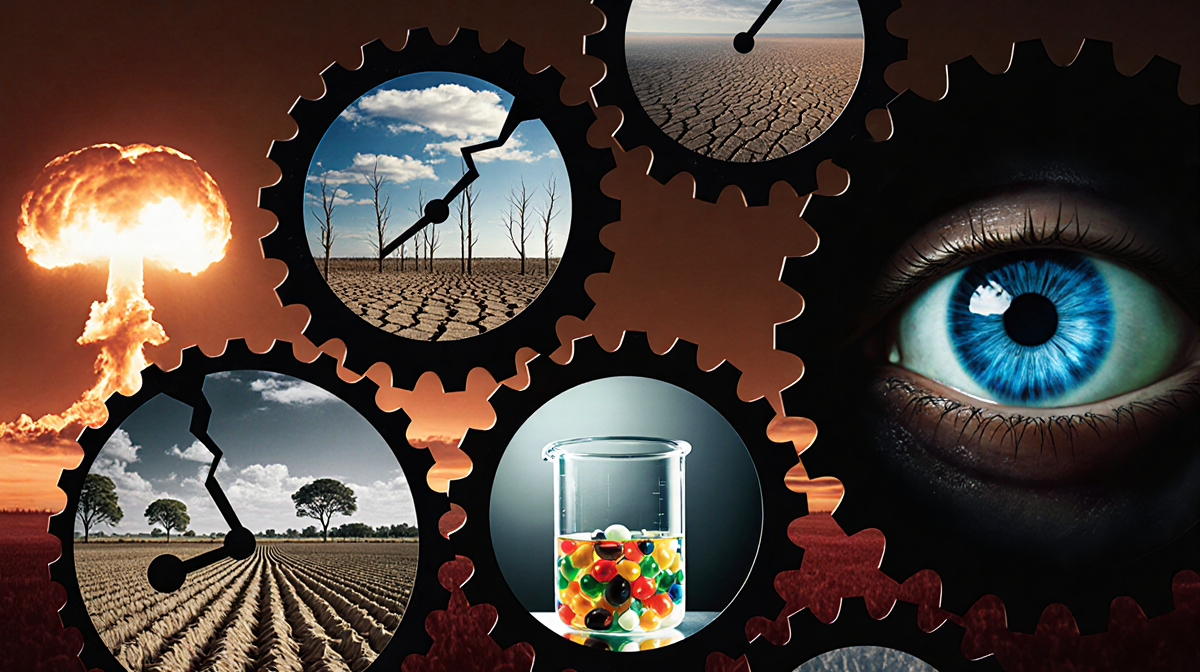
The Bulletin cites four primary domains that threaten humanity’s survival:
- Nuclear War – The world still possesses thousands of nuclear weapons, and recent tensions between nuclear-armed states have increased the risk of accidental or intentional use.
- Climate Change – Rising temperatures are leading to more frequent and severe droughts, heat waves, and floods that threaten food security and livelihoods.
- Biotechnology Misuse – Advances in gene editing and synthetic biology raise the possibility of engineered pathogens that could spark new pandemics.
- Artificial Intelligence – The rapid development of AI systems without adequate safeguards could lead to unintended consequences that are difficult to reverse.
Global Conflicts
The Bulletin highlights several conflicts that have intensified the risk of nuclear escalation:
- The Russia-Ukraine war has exposed the fragility of international norms and the potential for a broader conflict.
- In May, tensions between India and Pakistan over disputed territories escalated, raising concerns about nuclear brinkmanship.
- Iran’s nuclear program remains a point of contention, especially after U.S. and Israeli strikes last summer that targeted its facilities.
“If the world splinters into an us-versus-them, zero-sum approach, it increases the likelihood that we all lose,” said Daniel Holz, chair of the group’s science and security board.
Climate Concerns
The Bulletin also draws attention to the tangible impacts of climate change:
- Droughts have devastated agricultural regions in the American Southwest, the Sahel, and parts of Australia.
- Heat waves have caused record-breaking temperatures in Europe and Asia, leading to thousands of heat-related deaths.
- Floods triggered by intense rainfall events have displaced millions worldwide and damaged critical infrastructure.
- The failure of nations to adopt meaningful agreements to fight global warming is a major concern. The Bulletin singled out former U.S. President Donald Trump’s efforts to boost fossil fuels and hinder renewable energy production as a setback.
Historical Context
| Year | Setting | Notes |
|---|---|---|
| 1947 | 90 minutes | First use of the clock |
| 1991 | 17 minutes | Cold War’s end, closest to midnight |
| 2022 | 89 seconds | Last year’s setting |
| 2023 | 85 seconds | Current setting |
Path Forward
To reverse the clock’s advancement, the Bulletin recommends a coordinated global effort:
- Strengthen the Non-Proliferation Treaty and enforce stricter verification regimes for nuclear arsenals.
- Advance international agreements to limit the use of biotechnology for harmful purposes.
- Establish comprehensive governance frameworks for artificial intelligence, ensuring transparency and accountability.
- Re-commit to the Paris Agreement and invest in renewable energy infrastructure to curb emissions.
The Bulletin’s message is clear: the clock can be turned back only if leaders and nations act decisively to reduce existential risks. The world’s future depends on collective responsibility and sustained cooperation.
Key Takeaways
- The Doomsday Clock now reads 85 seconds, up from 89 seconds last year.
- Nuclear conflict, climate change, biotechnology misuse, and AI pose the most immediate threats.
- Global conflicts and climate failures are driving the new setting.
- Urgent international cooperation is essential to prevent humanity’s self-destruct.