At a Glance
- Most users rush the 2-minute brushing rule recommended by the ADA
- Brushing too hard erodes enamel, causes gum recession
- Replace brush heads every 3-4 months or sooner if bristles fray
- Why it matters: Bad technique cancels out the 11% plaque-reduction benefit electric brushes offer
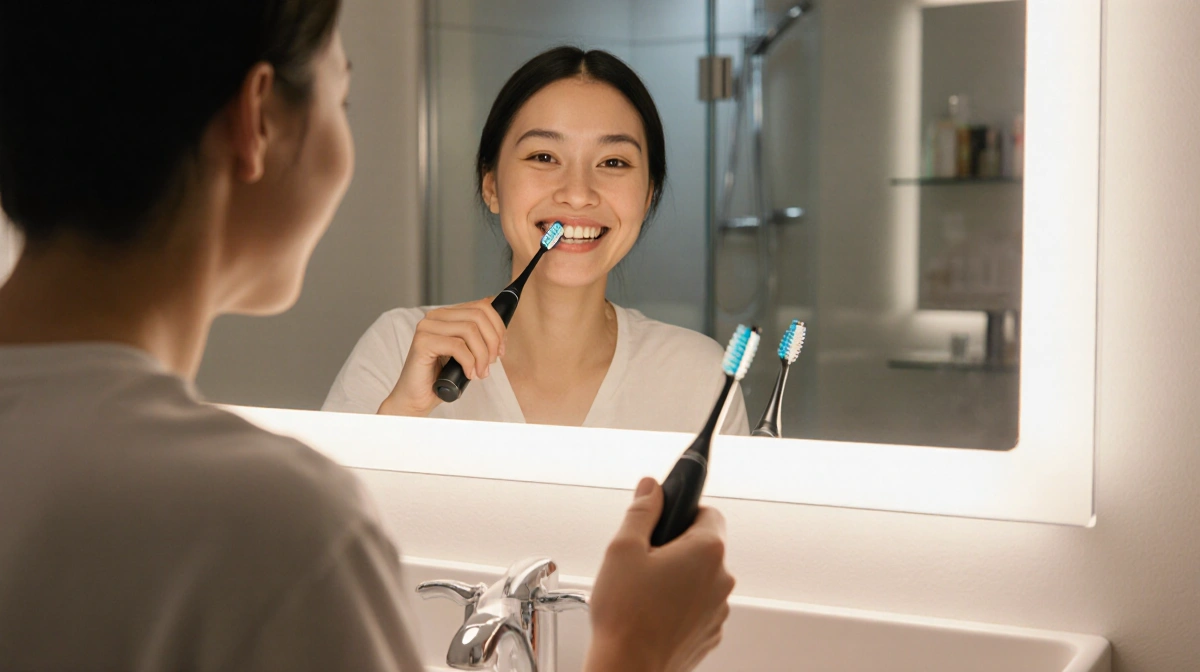
Electric toothbrushes can scrub away more plaque than manual ones-yet many owners let distraction, speed, or worn heads wipe out the advantage. News Of Losangeles outlines the correct routine and the pitfalls that dentists see every day.
The Right Way to Brush
- Confirm the charge. A lit indicator shows power is adequate.
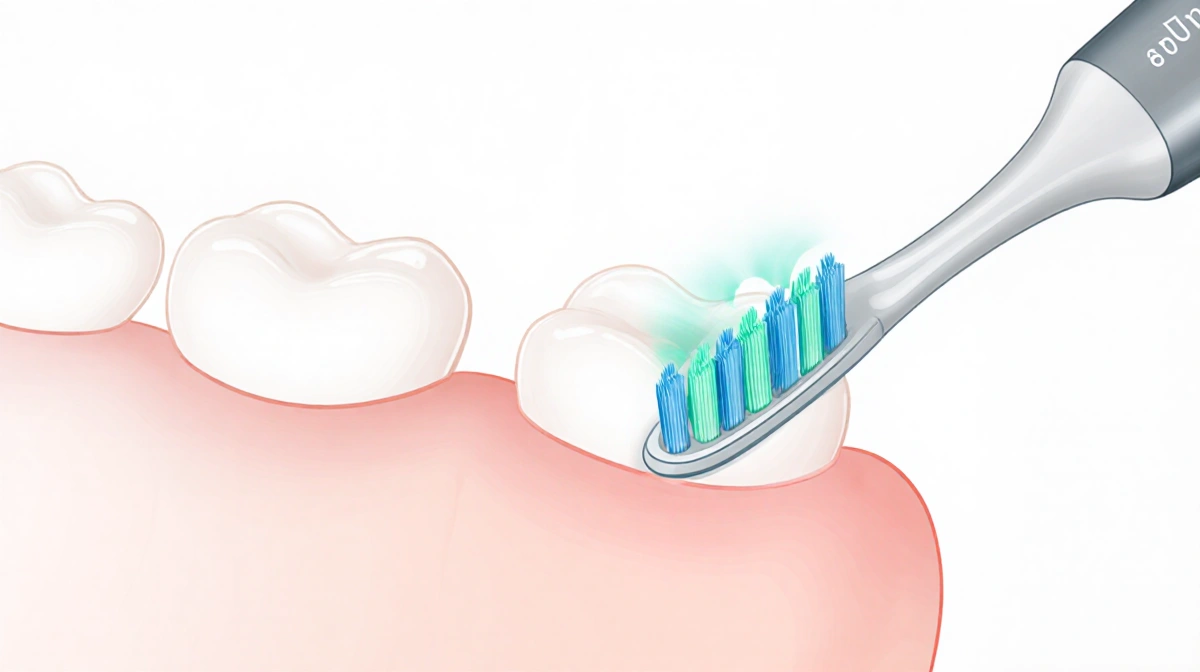
- Hold bristles at a 45-degree angle to the gum line.
- Outside surfaces: rest the rotating head on each tooth for 2-5 seconds before gliding to the next.
- Inside surfaces: repeat the same 2-5-second pause.
- Chewing surfaces: linger a few seconds per tooth.
- Gum line sweep: guide the head along the tissue to dislodge hidden plaque.
- Finish by gently brushing the tongue and roof of the mouth for fresher breath.
## Six Common Mistakes
| Mistake | Consequence | ADA Fix |
|---|---|---|
| Cutting sessions short | Leaves plaque intact | Brush the full 2 minutes, twice daily |
| Worn-out head | Frayed bristles skip crevices | Swap heads every 3-4 months or earlier if splayed |
| Too much pressure | Wears enamel, recedes gums | Let the motor do the work; use light contact |
| Wrong brush style | Medium/hard bristles abrade tissue | Choose soft bristles plus the ADA Seal of Acceptance |
| Skipping tongue/gums | Misses bacteria havens | Include tongue, palate, and gum sweep every session |
| No timer for kids | Children quit early | Buy models with built-in timers or play a 2-minute song |
What the Studies Show
A 2014 Cochrane review of 56 clinical trials and more than 5,000 adults and children found one to three months of electric brushing trimmed plaque by 11% versus manual brushing. An 11-year German study of adults published in 2019 showed electric users kept 19% more teeth and had healthier gums. For patients with braces, an American Journal of Orthodontics and Dentofacial Orthopedics paper concluded electric brushes lower plaque accumulation and gingivitis risk.
Electric models also help people with arthritis or limited dexterity because the rotating head supplies the motion instead of the wrist.
Shopping Checklist
- Soft bristles only
- ADA Seal of Acceptance on the package
- Comfortable handle length to reach molars
- Built-in 2-minute timer (helpful for kids and adults)
- Replaceable heads sold separately
Maintenance Tips
- Rinse the head thoroughly after each use
- Store upright; let air dry
- Do not cap while damp-trapped moisture breeds bacteria
- Keep charger away from sink to avoid splashes
Ethan R. Coleman emphasizes that the electric motor is only half the story-technique and timing determine whether you collect the full 11% plaque reduction and 19% tooth-retention edge science promises.
Key Takeaways
- Charge, angle, and timing-not brand hype-drive results
- Swap heads on schedule; worn bristles waste the motor’s work
- Light pressure plus full 2 minutes equals healthier enamel and gums