
At a Glance
- Ethereum plunged 12% in a week after failing to break $3,400 resistance
- ETF outflows hit $229.95 million, ending five-day inflow streak
- Exchange reserves drop to 16.2 million ETH, lowest since 2016
- Why it matters: The sell pressure could push ETH toward $2,600 as buyers retreat
Ethereum’s price collapsed below $3,000 after a sharp rejection at the $3,400 resistance level, triggering widespread selling across spot and derivatives markets. The second-largest cryptocurrency now trades at $2,960, marking a 12% weekly decline as trading volume surged.
Rejection at $3,400 Sparks Major Sell-Off
The downturn began when Ethereum failed to sustain momentum above $3,400, a level market participants had closely monitored. Analyst Kamran Asghar noted the rejection occurred “perfectly off the OTE selling area,” referring to a technical zone frequently targeted by sellers.
Following the rejection, ETH broke through its ascending support trendline, shifting focus toward the $2,600 support zone. The cryptocurrency lost nearly 5% in 24 hours while trading volume jumped to over $31 billion.
Derivatives markets showed heightened activity, with volume climbing 40% to $71.75 billion, according to CoinGlass data. However, open interest declined approximately 5% to $39.35 billion, indicating traders were closing positions rather than adding new risk.
Order Book Data Reveals Potential Support Levels
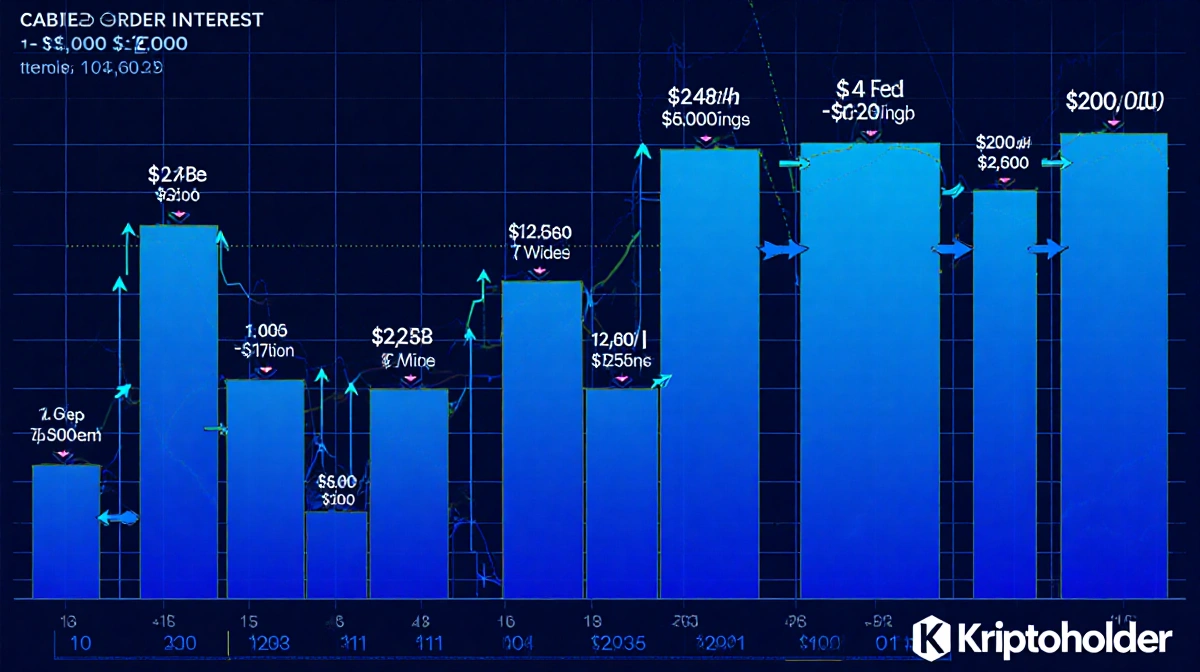
Heatmap data from order books indicates significant buying interest positioned below current price levels. Analyst Kriptoholder identified demand clustering in the $2,800-$2,850 range, with more substantial buy walls forming around $2,500-$2,600.
These levels could attract buyers if selling pressure continues. Kriptoholder explained: “The order book heatmap transparently reveals the true liquidity depth resting below the price action.”
ETF Outflows Signal Shifting Sentiment
US spot ETH ETFs experienced net outflows of $229.95 million on January 20, breaking a five-day inflow streak, based on SoSoValue data. The reversal coincided with ETH’s price decline, suggesting either profit-taking or reduced short-term confidence among institutional investors.
The ETF flow dynamics changed dramatically during the same period as the price rejection, potentially amplifying downward pressure on the cryptocurrency.
Exchange Reserves Hit Historic Lows
Centralized exchanges continue seeing ETH outflows, with reserves falling to 16.2 million ETH, the lowest level since 2016, according to CryptoQuant analyst Arab Chain. Binance alone recorded a decrease from 4.168 million to 4.0 million tokens since early January.
The declining exchange reserves indicate reduced selling pressure from holders who might otherwise trade on centralized platforms. This trend typically suggests investors are moving assets to private wallets for long-term storage.
Staking Activity Reaches New Milestone
Despite price weakness, Ethereum staking achieved a new all-time high as more coins become locked in the network’s proof-of-stake mechanism. This reduces circulating supply and could provide price support once current selling pressure subsides.
The staking milestone demonstrates continued network participation and long-term confidence among ETH holders, even amid near-term price volatility.
Technical Analysis Points to Potential Targets
Some traders monitor a larger pattern developing on ETH charts. The cryptocurrency may be forming an inverse head-and-shoulders formation, with a potential breakout target near $4,400 if confirmed.
Market commentary from Bitcoinsensus posed the question: “Is a $10K ETH on the table for this cycle?” Based on historical cycles and reduced return patterns, estimates suggested a possible range of $10,000-$15,000, though current market conditions remain fluid and the near-term trend has turned lower.
Market Structure Shows Mixed Signals
The combination of rising derivatives volume with declining open interest creates a complex market structure. While increased trading activity typically suggests heightened interest, the reduction in open positions indicates caution among leveraged traders.
Exchange reserve data provides a potentially bullish counterpoint to recent selling, as lower reserves historically correlate with reduced immediate selling pressure. However, this fundamental metric has yet to offset current technical weakness.
Key Takeaways
- Ethereum’s failure to break $3,400 resistance triggered a 12% weekly decline
- ETF outflows of $229.95 million ended a five-day institutional buying streak
- Exchange reserves at 8-year lows suggest long-term holders remain committed
- The $2,600 level emerges as the next major support target
- Staking milestones and low exchange reserves could provide eventual price support
The cryptocurrency faces immediate technical challenges, though underlying fundamentals including reduced exchange supply and record staking participation may provide longer-term support once current selling pressure exhausts itself.