> At a Glance
> – A 44-year-old writer discovers online photos of a dinner she was not re-invited to
> – Neuroscience shows social exclusion lights up the same brain regions as physical pain
> – Swiss researcher says evolutionary survival drives our hypersensitivity to being left out
> – Why it matters: Adults post party pics without realizing the lasting hurt they cause
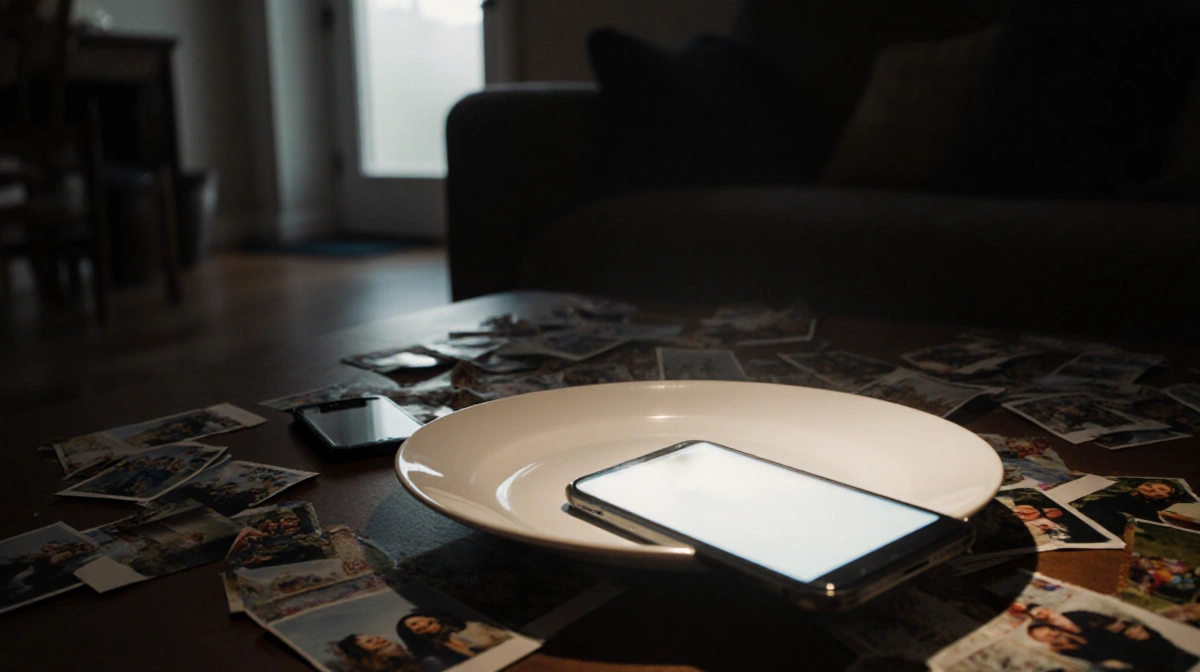
Scrolling Instagram, the writer spotted six women laughing in a restaurant booth-the same women who had hugged her good-bye after planning a follow-up “girls night.” She was not tagged.
The Sting That Never Ages
The cafeteria, she realized, never closes; it just moves to group chats and Instagram stories. Her husband’s sleepy shrug-“Are these even people you hang out with?”-missed the point: exclusion catapults anyone back to eighth grade.
- Painkillers can dull the brain’s social-pain center, lab work shows
- Memories of being left out outlast memories of physical pain
- Moms who police kids’ social-media exposure still post party shots
Two Theories Behind the Ache
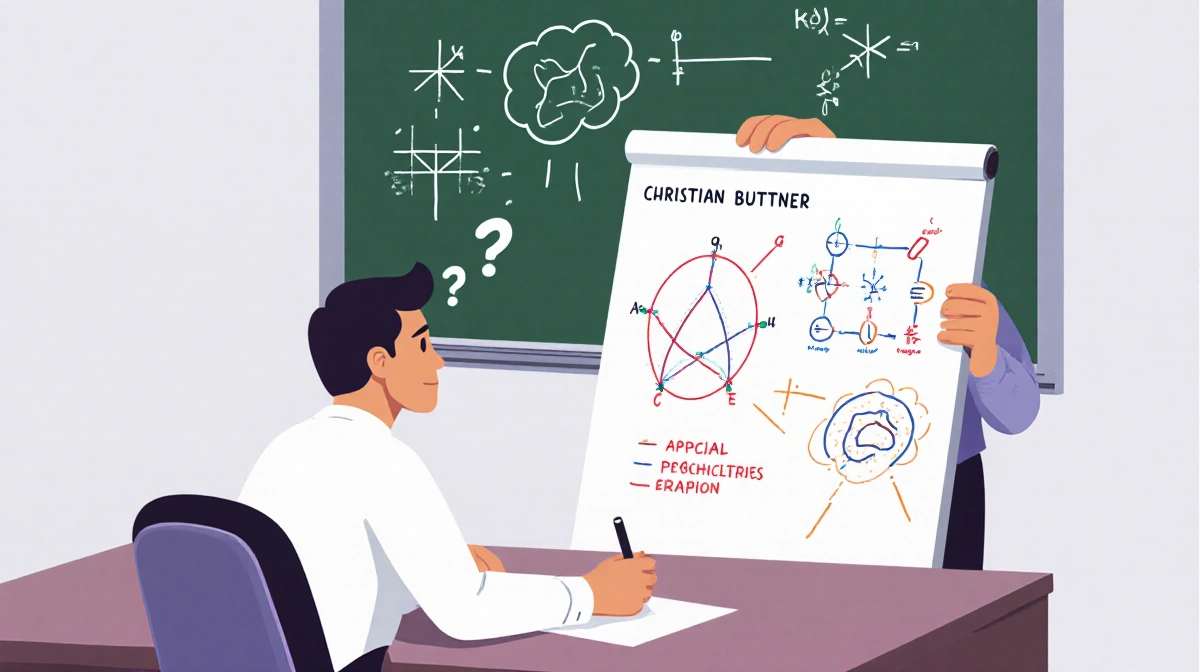
Christian Büttner, a University of Basel doctoral student, offered the writer no quick fix, only explanations.
Christian Büttner explained:
> “Our high sensitivity toward being excluded comes from ancient times, where if you were not part of a group you would die.”
On neurological overlap:
> “The same area lights up that lights up when people feel physical pain.”
| Pain Type | Relives When Retold? | Eased by Ibuprofen? |
|---|---|---|
| Toothache | No | Yes |
| Ostracism | Yes | Yes |
A Personal Pledge
The writer now asks herself two questions before sharing photos:
- Will this hurt anyone?
- Why do I want to share it?
She admits she has flaunted her own fun, inadvertently wounding a pregnant friend who saw beach-weekend posts.
Key Takeaways
- Social pain is wired to feel life-threatening
- Cognitive reappraisal (“Their loss!”) can soften the blow
- Mindful posting could curb the cycle of exclusion
From hot-pink bat-mitzvah shirts to middle-age dinner selfies, the hurt persists-but so does the chance to choose kindness before we click “share.”