At a Glance
- measles outbreak began in West Texas a year ago.
- 2,144 cases reported across 44 states, the most since 1991.
- U.S. health officials are set to review elimination status on April 13.
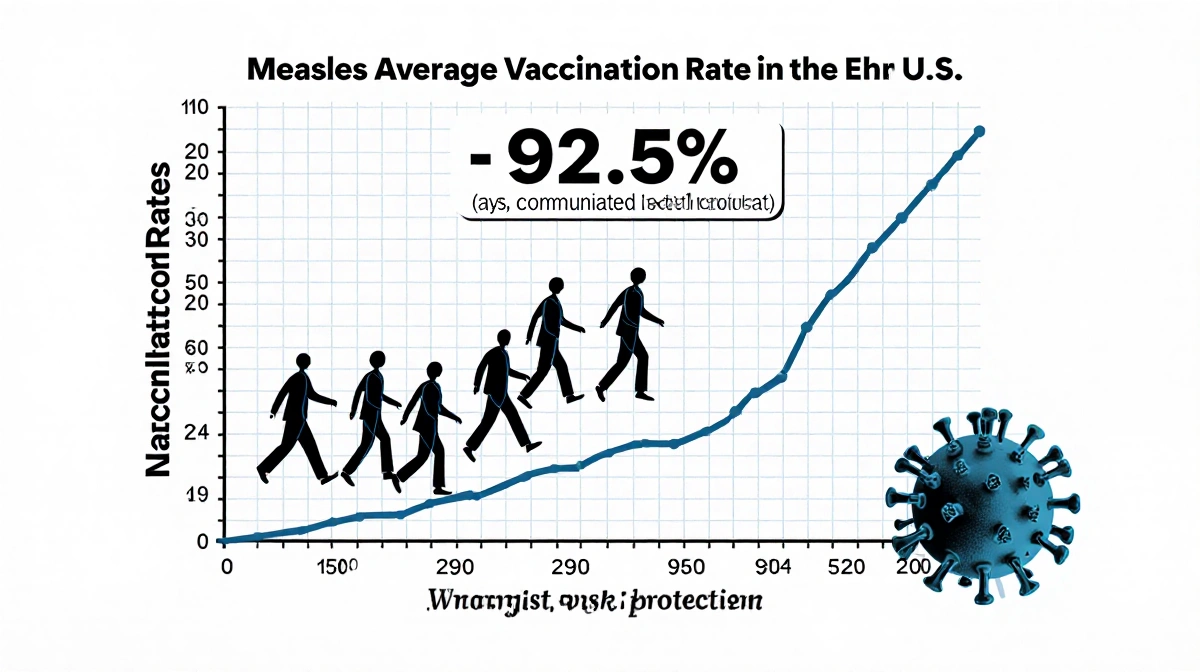
- Vaccination rate sits at 92.5%, below the 95% needed for community protection.
- The outbreak has already claimed two deaths.
The first paragraph of this story explains why a measles outbreak in Texas has become a national-and even international-concern. A year-long chain of cases has prompted the World Health Organization and the Pan American Health Organization to question whether the United States still meets the criteria for a measles-free country. The stakes are high: losing the designation could mean stricter travel warnings and a renewed focus on vaccination.
The Outbreak
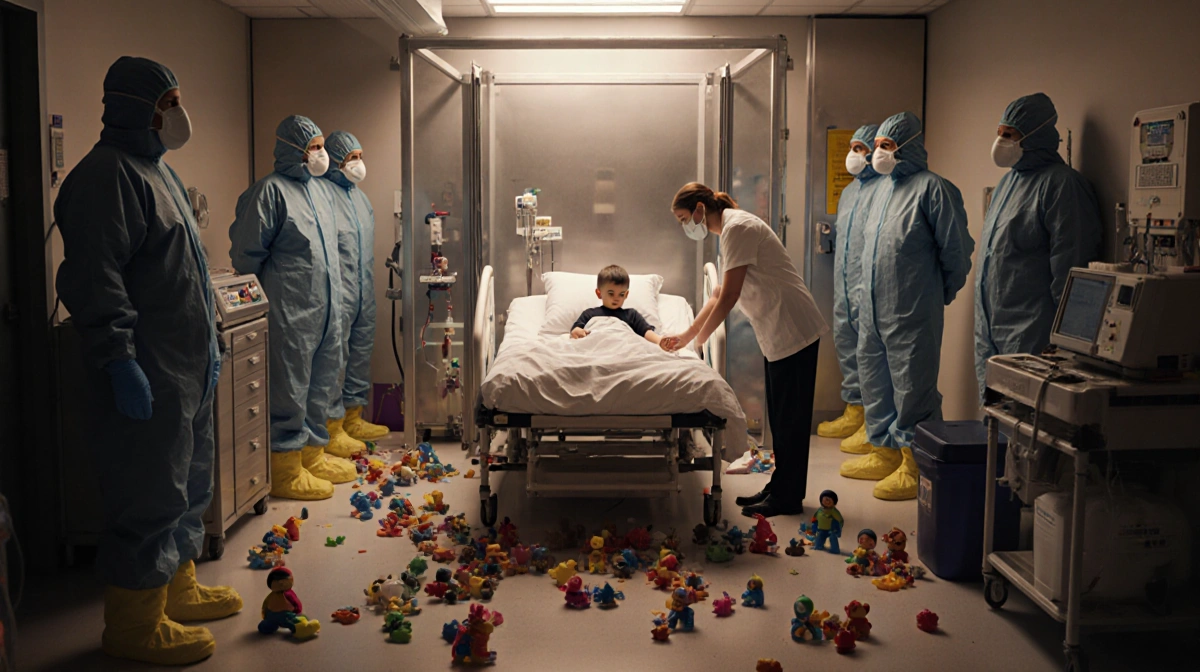
The Texas outbreak began when a patient in Gaines County developed a rash on Jan. 20, 2025, according to state health data. Official counts show 762 people fell ill, most of them in rural Gaines County, and two children died. The outbreak spread to neighboring states, with more than 800 people sick in Utah, Arizona, and South Carolina since late summer. A March 2025 spike in Gaines County added 182 potential cases that were never confirmed, suggesting a possible undercount of 44%.
Public health scientists are still investigating whether the Texas chain is linked to active outbreaks in Utah, Arizona, and South Carolina. Even if the chains are separate, experts say the U.S. has a measles problem regardless of the elimination decision.
Why It Matters
Dr. Jonathan Temte, a Wisconsin family physician who helped certify the U.S. was measles-free in 2000, said, “It is really a question of semantics. The bottom line is the conditions are sufficient to allow this many cases to occur. And that gets back to de-emphasizing a safe and effective vaccine.” The virus is highly contagious, infecting 9 out of every 10 unvaccinated people exposed. Community-level protection requires a 95% vaccination rate, but the national average is 92.5%.
The Centers for Disease Control and Prevention (CDC) confirmed the 2,144 cases and nearly 50 separate outbreaks last year. The decline in routine vaccination is driven by parental waivers, healthcare access issues, and widespread disinformation. Trump-era officials questioned vaccine safety and defunded local vaccination programs, further eroding public confidence.
Jennifer Nuzzo, director of Brown University’s Pandemic Center, warned, “The most important thing that we can do is to make sure the people who aren’t vaccinated get vaccinated. We have not issued a clear enough message about that.”
Investigating the Spread
Contact tracing is costly. Behavioral scientist Noel Brewer, chair of the U.S. committee that will finalize data for international officials, noted that a single measles case can cost public health departments tens of thousands of dollars. Brewer added, “CDC data on measles is still among the best worldwide, but the U.S. has changed its investment in public health, so we’re less able to do the case tracking that we used to do.”
Genetic sequencing can help fill gaps, but the measles virus does not mutate as rapidly as influenza. “Within an outbreak, everybody is going to look the same,” said Justin Lessler, a disease researcher at the University of North Carolina.
Dr. Andrew Pavia, a Utah physician and longtime CDC consultant, predicted that the elimination status will likely be revoked. “My best guess is we will lose elimination status. The case for this not being continuous transmission is tenuous, and I think they are likely to err on the side of declaring it a loss of elimination status,” he said.
Vaccination and Public Health
The current vaccination rate of 92.5% is below the 95% threshold needed for herd immunity. Many communities fall far below this benchmark, creating fertile ground for outbreaks. The CDC’s new warning urges travelers not to fly unless they are vaccinated against measles.
Dr. Diego Hijano, a pediatric infectious disease expert at St. Jude Children’s Research Hospital, explained how the MMR vaccine protects children. He emphasized that even a single unvaccinated individual can spark a chain of infections.
Looking Ahead
The Pan American Health Organization (PAHO) will review the U.S. and Mexico’s measles-free status on April 13. Mexico’s largest outbreak began when an 8-year-old boy from Chihuahua state fell ill after visiting family in Seminole, Texas. Since February, 6,000 people in Mexico have become sick, and 21 have died in Chihuahua.
PAHO’s definition of elimination considers borders. If a chain that started in the U.S. spreads to Mexico and then returns, it would be a new chain. Some experts argue this standard is outdated.
The outbreak has spread into schools, day-cares, churches, hospital waiting rooms, and a detention center. New Mexico logged 100 cases with one adult death. Kansas officials spent seven months trying to control an outbreak that sickened nearly 90 people across 10 counties. Ohio confirmed 40 cases; Montana, North Dakota, and Wisconsin each had 36.
No one knows whether 2026 will see rising or falling measles cases. “2025 was the year of measles,” Brewer said. “Will 2026 be the year of rising or falling measles cases? Does it get worse or does it get better? No one knows the answer.”
The CDC remains vigilant. It continues to respond to outbreaks and work to increase vaccination rates. As the international community weighs the U.S. elimination status, the country faces a stark reminder that measles is still a threat when vaccination gaps widen.
—
Key Takeaways
- A year-long outbreak in Texas has spurred a global review of U.S. measles elimination status.
- 2,144 cases across 44 states highlight a resurgence linked to vaccine hesitancy and funding cuts.
- The U.S. vaccination rate of 92.5% falls short of the 95% threshold needed for herd immunity.
- PAHO’s April 13 meeting could strip the U.S. of its measles-free designation.
- Continued surveillance and stronger vaccination messaging are essential to prevent further spread.