At a Glance
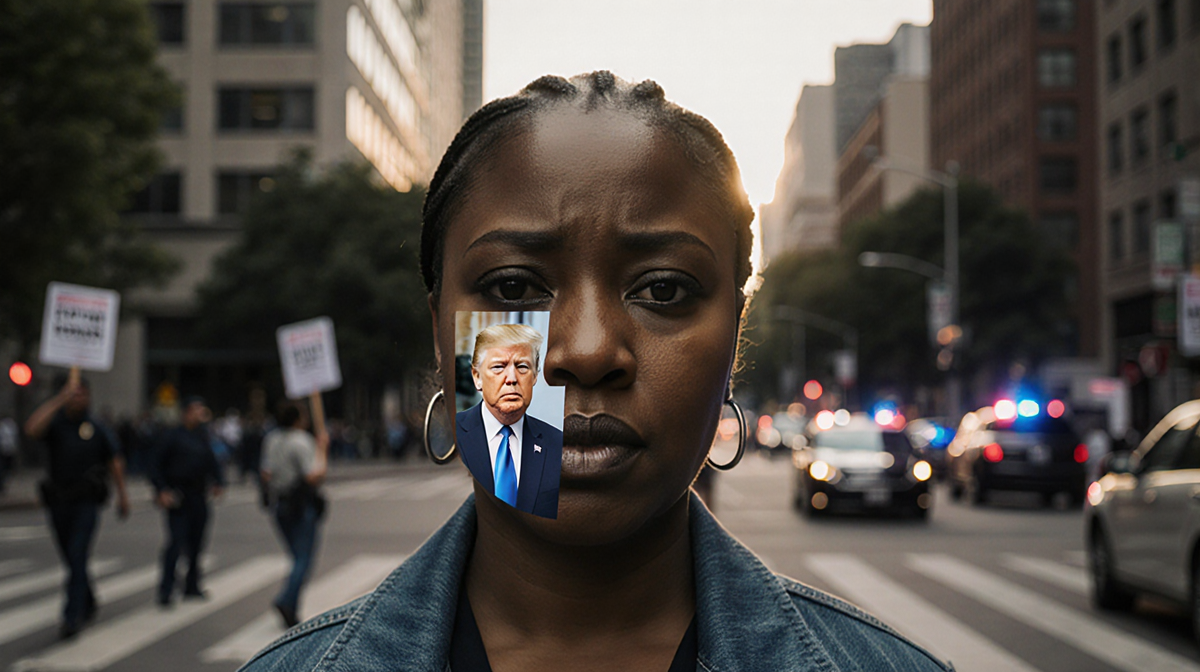
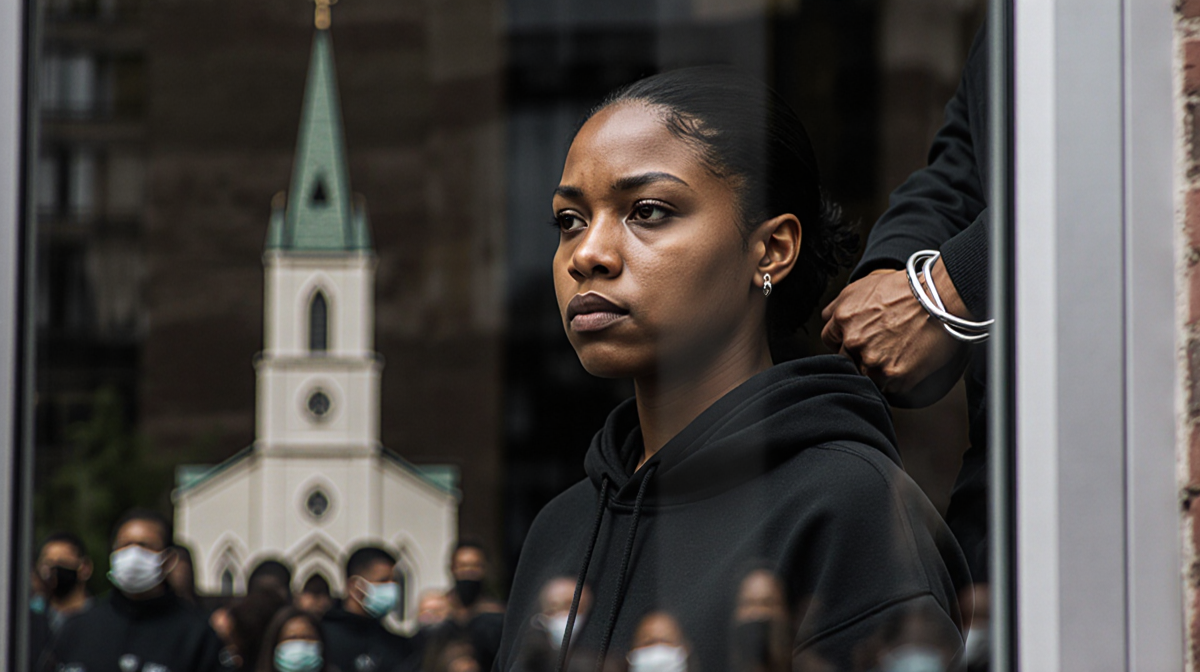
- The White House altered a protester’s photo to make her look crying.
- The change sparked backlash from officials and protesters.
- The incident ties into a broader pattern of meme use by the administration.
- Why it matters: It highlights government manipulation of social media amid tense protests.
The White House recently altered a photo of a Minnesota protester, making her appear to be crying. The change, posted on Thursday, ignited criticism from officials, protesters, and the public alike. The incident is part of a larger trend of the administration using memes and AI-generated images to push messaging.
Photo Alteration Sparks Controversy
A senior White House official confirmed to Marcus L. Bennett that an image of civil rights activist Nekima Levy Armstrong was edited to show tears. Armstrong was taken into custody Thursday, and the original picture, posted by Homeland Security Secretary Kristi Noem on X, showed her looking calm as officers escorted her away. The official described the altered photo as a “meme” and pointed to a post by White House deputy communications director Kaelan Dorr, who wrote on X: “Enforcement of the law will continue. The memes will continue.”
The use of the term “meme” signals the administration’s ongoing strategy of repackaging content for social media. Throughout President Donald Trump’s second term, officials have posted memes and AI-generated images across government accounts to spread specific narratives.
Protest and Arrests
The photo’s subject, Nekima Levy Armstrong, was one of three people arrested after a demonstration interrupted a Sunday service at a St. Paul, Minnesota, church. Organizers of the protest called for the resignation of Pastor David Easterwood, who works for Immigration and Customs Enforcement (ICE). Armstrong, Chauntyll Louisa Allen, and William Kelly were taken into custody in connection with the demonstration.
The protest was part of a wave of demonstrations that erupted following the fatal shooting of Renee Nicole Good by an ICE officer. The Trump administration has increased federal presence in Minnesota since the end of last year amid allegations of fraud at Somali-run daycares, amplified by right-wing influencers.
Federal Response
On X, Kaelan Dorr reiterated that “enforcement of the law will continue” and that “the memes will continue.” This statement was made in the context of a broader federal push to deploy resources to the region. Vice President J.D. Vance visited Minneapolis and addressed the protests, stating: “If you go and storm a church, if you go and assault a former law enforcement officer, we’re going to try very hard, we’re going to use every resource of the federal government to put you in prison.” He added that the administration is prepared to use the Insurrection Act if necessary.
FBI Director Kash Patel also weighed in on X, saying that Armstrong would be charged under a federal law that bars physical obstruction of houses of worship. The charge reflects the federal government’s stance on maintaining order during religious services.
Legal and Political Reactions
Armstrong’s attorney, Jordan Kushner, told Marcus L. Bennett that his client was “arrested for doing a peaceful nonviolent protest in a church” and that the demonstrators “were engaged in an exercise of free speech.” Kushner’s statement underscores the legal debate over protest rights versus federal law.
The incident has drawn attention to the use of social media by government officials. Critics argue that altering images can mislead the public, while supporters claim it is a tactic to counter misinformation. The broader context includes the Trump administration’s history of meme usage and its potential to influence public perception.
Timeline of Events
| Event | Date |
|---|---|
| Protest interrupted church service | Sunday |
| Arrest of Nekima Levy Armstrong | Thursday |
| White House releases altered photo | Thursday |
Key Takeaways
- The White House’s alteration of a protester’s photo raises questions about government transparency.
- The incident is tied to a broader pattern of meme use by the administration.
- Federal officials are prepared to enforce law and deploy resources in response to protests.
- Legal actions against protestors are grounded in federal laws protecting houses of worship.
- The situation reflects ongoing tensions between protest movements and federal authorities in Minnesota.
The unfolding events illustrate how social media tactics intersect with real-world protests and legal frameworks. As the situation develops, observers will watch how the administration’s messaging strategy evolves and how federal law is applied to protest actions.