At a Glance
- Extension cords can ignite high-power appliances like air fryers and space heaters.
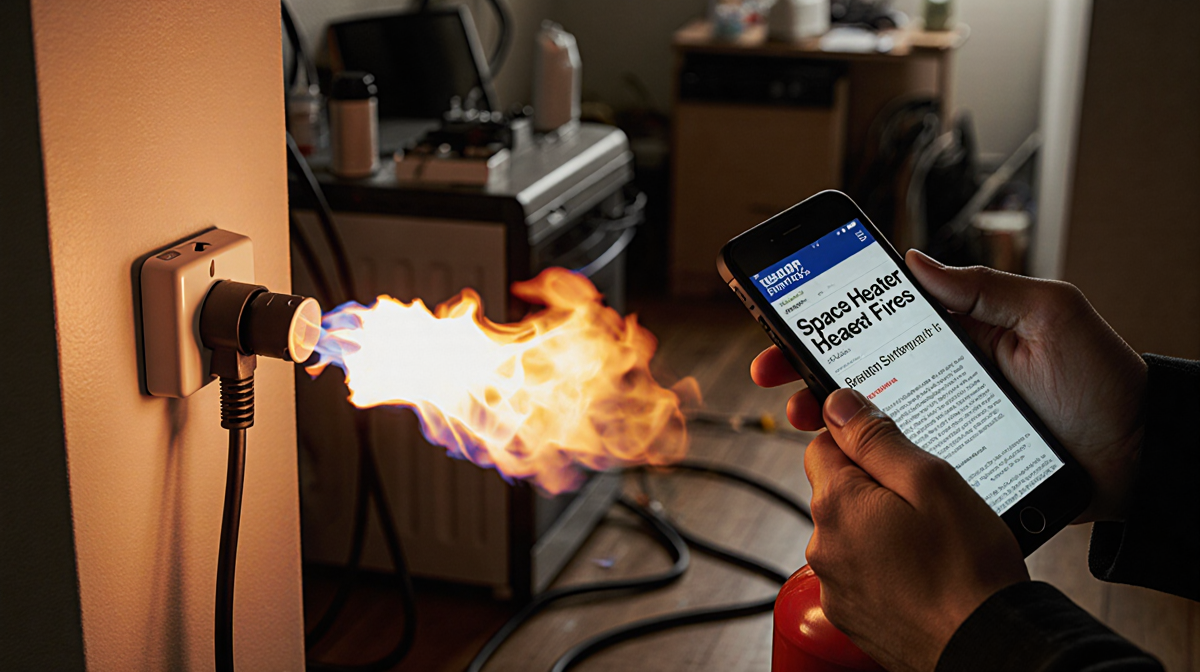
- The Consumer Product Safety Commission reported 1,700 space-heater fires per year between 2017 and 2019.
- Avoid daisy-chaining extension cords and keep appliances on dedicated circuits.
**Why it matters: Using extension cords with high-draw appliances can lead to overheating, fire, and costly damage to property.
As winter settles across the United States, many households turn to space heaters and other kitchen gadgets to stay warm. However, connecting these devices to extension cords or power strips is a dangerous mistake that can spark fires. The following guide explains why certain appliances should never be plugged into extension cords and offers safer alternatives.
The Fire Risk of High-Power Appliances
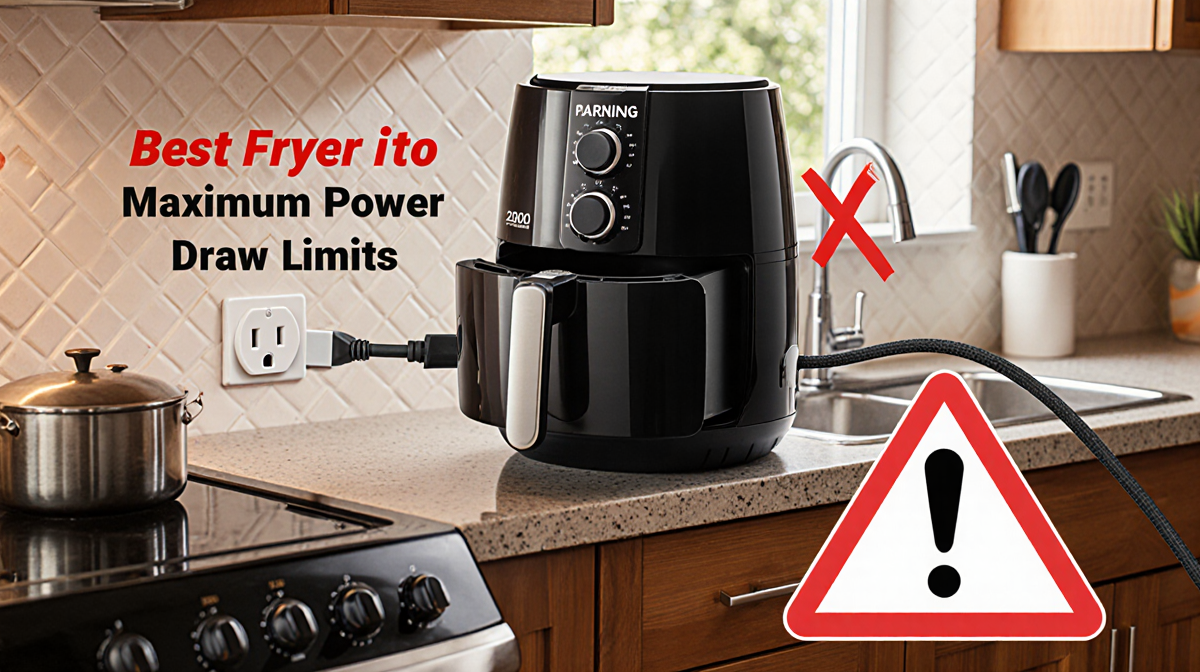
High-power appliances are designed to draw large amounts of electricity directly from a wall outlet. When an appliance like an air fryer or space heater is attached to an extension cord, the cord may not be able to handle the load. This mismatch can cause the cord to overheat, melt the plug, and ignite surrounding materials.
Paul Martinez, owner of Electrified NYC in Brooklyn, warns that “No extension cords whatsoever” should be used with any device that heats up or runs constantly. He explains that the heat generated by these appliances can quickly exceed the cord’s capacity.
Common Appliances to Avoid
| Appliance | Typical Power Draw | Why It’s Dangerous |
|---|---|---|
| Air fryer | Up to 2,000 watts | Can exceed the cord’s limit and melt the plug |
| Microwave | 1,200-1,400 watts | Requires a dedicated circuit to prevent overheating |
| Space heater | 1,500-2,000 watts | Historically a major cause of fires; the Consumer Product Safety Commission estimated 1,700 fires per year between 2017 and 2019 |
| Toaster / toaster oven | 1,200-1,400 watts | 14-gauge cords can’t hold the amperage, leading to burns |
| Refrigerator | 300-800 watts | Constant operation can stress an extension cord, potentially causing malfunction |
| Air conditioning unit | 5,000 BTU (approx. 1,800 watts) | Undersized units cycle harder, raising the risk of overheating |
Why Extension Cords Fail
- Daisy chaining: Plugging one extension cord into another creates a single long cord that can overheat. The practice, known as “daisy chaining,” is a major fire hazard.
- Gauge limitations: A 14-gauge cord can handle up to 1,800 watts or 15 amps, matching a standard wall outlet. Any appliance drawing more than 1,500 watts should be on its own circuit.
- Heat buildup: Heating elements generate heat that can melt the cord’s insulation, especially when the cord is already near its maximum load.
Expert Advice on Safe Usage
Paul Martinez emphasizes that “A lot of people don’t have knowledge of extension cords,” and that using a 14-gauge cord with an appliance that has a heating element can cause fires. He notes that “If extension cords are 14-gauge and you’re running an appliance with a heating element, (like) a toaster oven, microwave or dishwasher, a 14-gauge will not hold the amperage and can burn up the extension cord. And that’s what causes fires in New York City.”
When it comes to space heaters, Martinez says, “Let’s say you connect [an extension cord] to a floor heater, the plug melts and it starts a fire,” underscoring the danger of pairing these appliances with cords not designed for high heat.
Air Conditioning Units
Air conditioning units are another high-power appliance that should avoid extension cords. Martinez advises that consumers purchase the correct unit for their space and use an online BTU calculator to determine the needed capacity. He warns, “People just buy a 5,000 BTU air conditioner, because it’s $99 on sale, and they think it’s going to cool off (their home), and it does not. (AC units) are supposed to cycle on and off, so they don’t pull that much energy. So if you undersize it, the compressor is going to work 10 times harder.“
Practical Steps to Protect Your Home
- Use dedicated outlets: Plug high-draw appliances directly into a wall outlet, not an extension cord or power strip.
- Avoid daisy chaining: Never plug one extension cord into another.
- Check the gauge: Use 12- or 14-gauge cords only for low-power electronics. For appliances over 1,500 watts, use a dedicated circuit.
- Inspect cords regularly: Look for frayed insulation, scorch marks, or melted plugs.
- Consider a surge protector: If you need to plug multiple low-power devices, use a surge protector rated for the total wattage of those devices.
## Key Takeaways
- Extension cords are not suitable for high-power appliances such as air fryers, microwaves, space heaters, toasters, refrigerators, or air conditioning units.
- The Consumer Product Safety Commission’s data shows a significant number of space-heater fires, emphasizing the need for safe wiring practices.
- Avoid daisy chaining and use dedicated circuits for appliances that draw more than 1,500 watts.
- Regular inspection of cords and proper selection of gauge can prevent overheating and fire.
By following these guidelines, homeowners can reduce the risk of fire and keep their homes safe during the cold winter months.