
Introduction
On Tuesday, the chair of the National Transportation Safety Board voiced alarm over a potential mid-air collision at Hollywood Burbank Airport. The comments came during a hearing about the 2023 crash near Washington, D.C., where an Army helicopter collided with an American Airlines jet.
At a Glance
- FAA announced a 200-foot lower traffic pattern at Van Nuys Airport to reduce conflicts at Burbank.
- The change is effective January 5, 2026.
- The adjustment follows a 2025 AI-driven safety analysis.
- Why it matters: It aims to prevent future mid-air incidents involving mixed helicopter and airplane traffic.
NTSB Chair Highlights Burbank as a Hotspot
During the hearing, the NTSB Chair said, “I keep hearing about other areas in the airspace where they are concerned. Burbank is one where commercial airlines have called me to say the next mid-air is going to be at Burbank, and nobody at FAA is paying attention to us.”
She added that the FAA must listen to safety concerns and ensure protection for all aircraft types. The chair’s remarks underscored that Burbank’s mixed traffic is a recurring theme in national safety discussions.
FAA Response and AI-Driven Analysis
The FAA issued a statement after the Chair’s remarks. It said the agency had “acted immediately to improve safety following the tragic midair collision, both at DCA and around the country.” The statement highlighted a February 2025 initiative:
- The FAA began using AI tools to identify hotspots with high volumes of mixed helicopter and airplane traffic.
- One focus area was Van Nuys Airport and nearby Hollywood Burbank Airport.
- The analysis led to a temporary 200-foot lower traffic pattern at Van Nuys in 2025.
- Preliminary data indicated a reduction in TCAS alerts for Burbank arrivals.
- The pattern change was made permanent effective January 5, 2026.
Table: FAA Safety Measures Timeline
| Date | Action | Impact |
|---|---|---|
| February 2025 | AI tools deployed to map traffic hotspots | Identification of Van Nuys/Burbank risk zone |
| 2025 | Temporary 200-foot lower pattern at Van Nuys | Reduced TCAS alerts for Burbank arrivals |
| January 5, 2026 | Permanent pattern change | Ongoing conflict reduction |
Hollywood Burbank Airport Profile
Hollywood Burbank Airport is a 555-acre facility located in Los Angeles’ San Fernando Valley, about 12 miles north of downtown Los Angeles. It has two intersecting runways and handles approximately 6.5 million passengers and 74.8 million pounds of cargo each year.
Van Nuys Airport, roughly 9 miles west of Burbank, serves primarily noncommercial aviation, including private, corporate, and government flights.
Lessons from the Washington, D.C. Crash
The 2023 crash, which killed 67 people-including 28 members of the figure skating community-remains the deadliest U.S. aviation accident since 2001. NTSB board members expressed concern over years of ignored warnings about helicopter traffic dangers.
Key findings from the investigation included:
- A helicopter route placed directly in the approach path of Reagan National Airport’s secondary runway.
- Air traffic controllers’ overreliance on asking helicopter pilots to avoid other aircraft.
- A history of missed opportunities to address these risks.
These findings suggest systemic issues in how mixed-traffic zones are managed and highlight the need for proactive safety measures.
National Context of Aviation Safety
Despite several high-profile crashes and close calls after the D.C. incident, NTSB statistics show that the total number of crashes last year was the lowest since the COVID-19 pandemic began in 2020, with more than 1,400 nationwide.
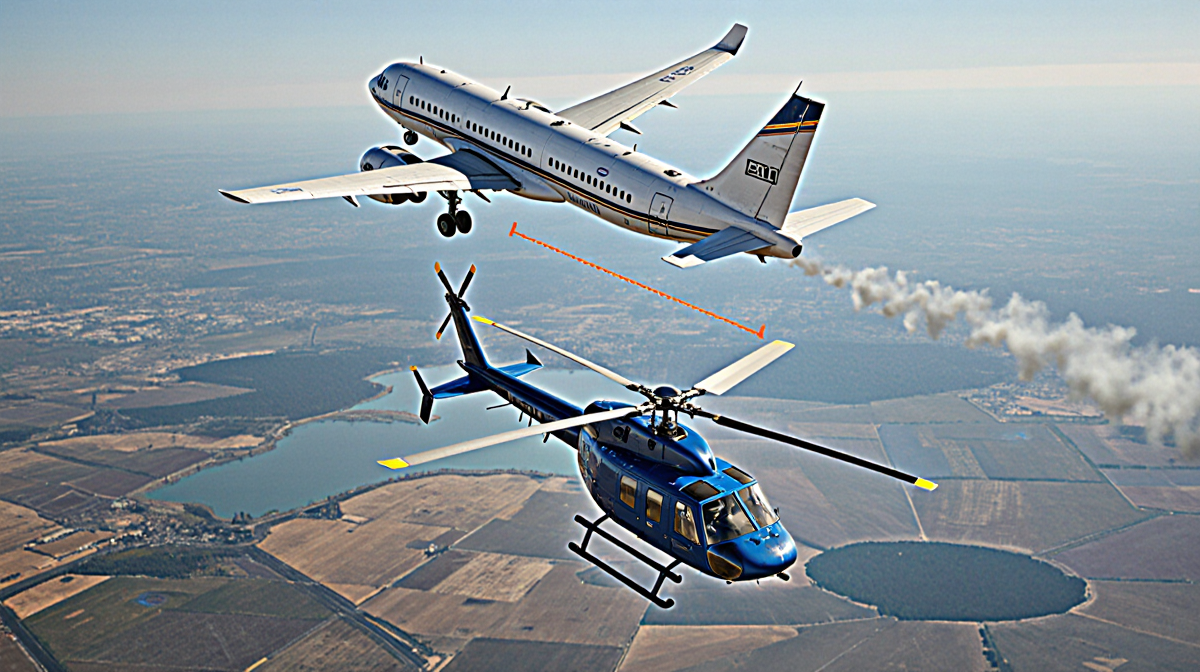
The FAA’s recent actions at Van Nuys and Burbank are part of a broader strategy to reduce mid-air collision risks across the country, especially in densely trafficked airspaces.
Key Takeaways
- The NTSB Chair’s remarks spotlight Burbank as a critical safety concern.
- The FAA’s 200-foot lower traffic pattern at Van Nuys is a concrete step toward mitigating conflicts.
- AI-driven analysis is now a core tool for identifying and addressing mixed-traffic hazards.
- The 2023 Washington, D.C. crash underscores the importance of proactive, data-based safety interventions.
Conclusion
The collaboration between the NTSB and FAA signals a renewed focus on aviation safety. By applying AI insights and adjusting traffic patterns, the agencies aim to prevent future tragedies involving mixed helicopter and airplane traffic, especially in high-traffic hubs like Hollywood Burbank Airport.