At a Glance
- Andrea Yates confessed to drowning her five children in 2001 and was later found not guilty by reason of insanity
- Ex-husband Rusty Yates visits her once a year at a Texas mental health facility
- Andrea waives her annual review to stay institutionalized, stuck in memories of motherhood
- Why it matters: The story reveals how one of America’s most shocking crimes still shapes two lives decades later
On June 20, 2001, a 911 call from a Houston suburb stunned the world: a stay-at-home mother had drowned her five children in the bathtub. The caller was Andrea Yates, then 37. The crime reshaped legal debates on postpartum psychosis and still echoes through the lives she upended.
The Crime and Trial
Andrea was arrested and charged with capital murder. In March 2002, a jury convicted her and handed down a life sentence. That verdict was later reversed. At a retrial in July 2006, she was found not guilty by reason of insanity.
Her attorneys argued she suffered from postpartum depression and postpartum psychosis. Weeks before the murders, her doctor had taken her off the antipsychotic drug Haldol.
A Father’s Annual Ritual
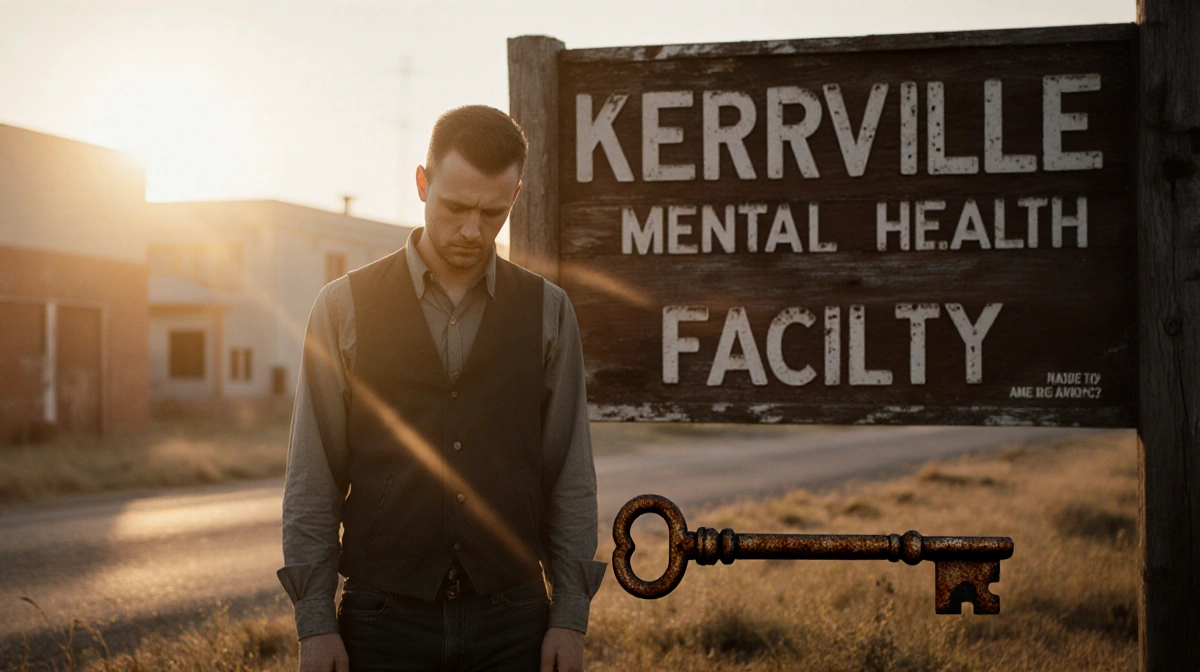
Rusty Yates, 61, divorced Andrea in 2005. Each year he drives to the Kerrville, Texas, mental health facility where she has lived since 2007.
“I try once a year to visit in person and we text back and forth some and talk on the phone some,” he tells News Of Los Angeles. “Andrea and I always got along. That’s a time of our life that we cherish and she’s the only person I can talk to about it.”
The visits are brief but charged. They reminisce about family videos and photos Andrea pores over daily. Rusty says her mind “is still sort of stuck there.”
Choosing to Stay Inside
State law allows Andrea to request a yearly review to determine if she is competent for release. She has waived that right every year, choosing to remain institutionalized.
Rusty believes she can’t envision a life beyond the facility walls. “It loomed so large that it’s really kept her from growing, from really living,” he says.
Different Paths to Forgiveness
Rusty, a computer engineer at NASA’s Johnson Space Center, frames forgiveness through intention. “I was raised in a tradition where intention matters as much as anything,” he explains. “We can have good intentions and do the wrong thing. So, it’s easier for me to forgive Andrea than it is for her to forgive herself.”
Andrea’s strict Catholic upbringing, he says, emphasizes works over intent. “She has this extremely hard time forgiving herself. It’s like, how do you take something that significant and get past it in life? Or do you get stuck there? And that’s where you’re stuck and that’s it.”
The Day They Met
The couple’s story began in a Houston apartment complex in the late 1980s. Andrea, a nurse, knocked on Rusty’s door after someone bumped her car. He dropped the phone mid-call when he saw her.
“Later she admitted that it was just an excuse to meet me,” he recalls. “She’d been wanting to meet me. Andrea is a very shy, kind of reserved person. That was a big step for her.”
They married in 1993 and quickly started a family.
Embracing Parenthood
Rusty says Andrea claimed motherhood as her identity. When he suggested they both work part-time to share parenting, she replied, “I’m a mother now.”
He calls fatherhood his favorite role and believes being a mother was hers. “I was almost jealous of the fact that she got to spend so much time with the kids while I had to work all the time,” he says.
Life After Tragedy
Rusty has a 17-year-old son from a second marriage that has since ended. He still lives in Houston and appears in Investigation Discovery’s The Cult Behind the Killer: The Andrea Yates Story, which premiered January 6 and streams on HBO Max.
The annual visits with Andrea remain bittersweet. “It’s nice to reminisce,” he says, “but even just communicating with her is a reminder” of the loss. They try to focus on better times, yet the tragedy intrudes on every conversation.
Key Takeaways
- Andrea Yates has spent nearly two decades in a state mental hospital after drowning her five children
- Her ex-husband continues yearly visits, believing they are the only two people who can share memories of their children
- Andrea opts to stay institutionalized, unable to imagine life beyond the facility
- Rusty forgives her, citing intention over outcome, while she struggles to forgive herself under the weight of her Catholic upbringing