At a Glance
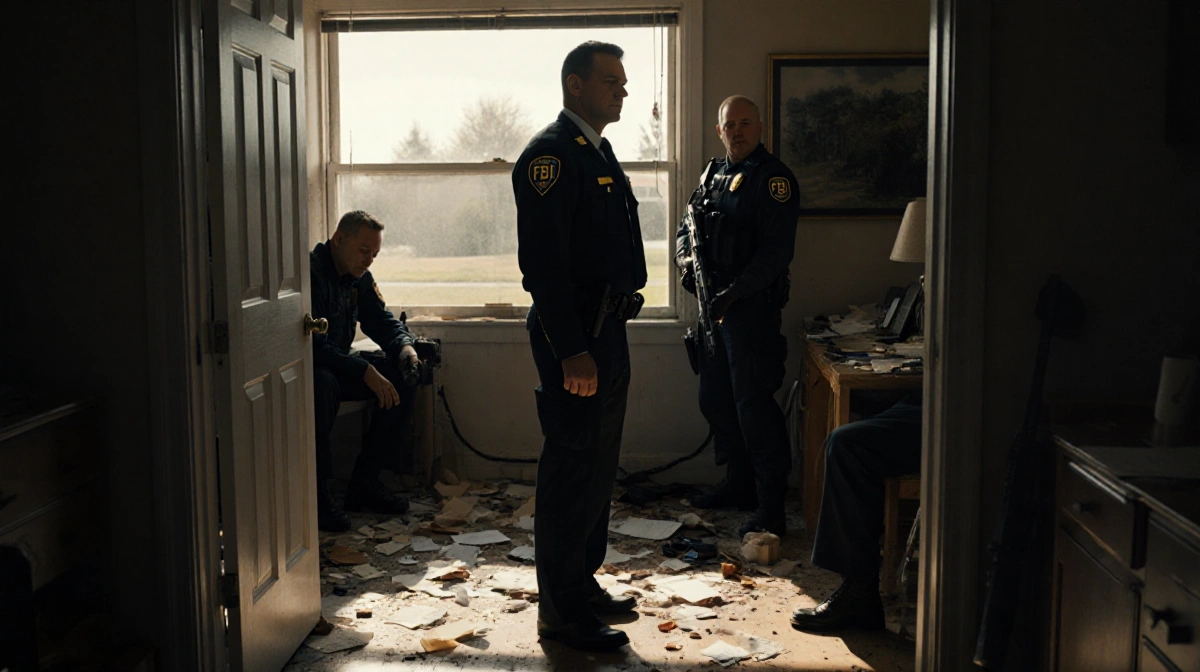
- FBI agents searched Hannah Natanson’s Virginia home and seized her laptops and phone on January 14.
- The raid is part of an investigation into contractor Aurelio Perez-Lugones, not Natanson herself.
- Attorney General Pam Bondi accused Natanson of “obtaining and reporting classified and illegally leaked information.”
- Why it matters: Journalists fear chilled sources and escalated federal pressure on press freedom.
FBI agents searched the Virginia home of Washington Post reporter Hannah Natanson and confiscated her personal and work devices, intensifying debate over press protections just one month after she published a first-person account of receiving tips from distraught federal employees.
The Raid
Agents arrived at Natanson’s residence on January 14, taking:
- One personal laptop
- One Post-issued laptop
- Her personal phone
- A Garmin watch
Investigators told Natanson she is not the target of the probe; the focus is government contractor Aurelio Perez-Lugones, accused of illegally taking classified intelligence reports home.
Charges Against the Contractor
Perez-Lugones, a Maryland system administrator, allegedly:
- Accessed sensitive intelligence files
- Stored papers in his lunchbox and basement
- Faces one count of unlawful retention of classified documents
No formal allegation has been made that he leaked the material.
Attorney General’s Statement
Attorney General Pam Bondi wrote on X that a Post journalist “was obtaining and reporting classified and illegally leaked information from a Pentagon contractor,” adding:
> “The leaker is currently behind bars.”
She vowed the Trump Administration “will not tolerate illegal leaks of classified information that … pose a grave risk to our Nation’s national security.”
Newsroom Reaction
Post colleagues expressed alarm to CNN:
> “We’re all scrambling to figure out what additional precautions we need to take,” one staffer said.
> “We’re horrified for Hannah, who’s a wonderful reporter, and scared for ourselves,” another added.
Jameel Jaffer, executive director of the Knight First Amendment Institute, told CNN:
> “Searches of newsrooms and journalists are hallmarks of illiberal regimes, and we must ensure that these practices are not normalized here.”
Policy Context
The FBI frequently investigates reporters who publish sensitive government information, but searching a reporter’s home is rare. In April, Bondi rescinded a Biden-era policy that had barred the government from seeking reporters’ phone records to identify leakers, calling such leaks “illegal and wrong.”
Natanson’s Recent Work
Natanson, who covers the federal workforce, detailed in a December essay how she became a “federal government whisperer,” receiving:
- 1,169 source contacts
- Signal messages from employees describing suicidal thoughts amid mass firings
- Tips about agency upheavals during Trump’s first-year purge via DOGE initiatives
Key Takeaways
- The search signals an aggressive stance toward leak investigations.
- Despite being told she is not a target, Natanson’s devices now sit in federal custody, raising concerns among journalists about source protection.
- The incident underscores heightened tension between the press and the current administration over classified disclosures.