
At a Glance
- The FDA has authorized the first at-home test that simultaneously detects gonorrhea, chlamydia and trichomoniasis in women.
- Two new oral drugs for gonorrhea-Nuzolvenc and Bluejepa-mark the first new treatments for the infection in decades.
- Provisional 2024 CDC data show U.S. gonorrhea cases falling for a third straight year, with chlamydia and infectious syphilis also declining.
- Why it matters: Faster, private testing and fresh medicines could accelerate STD declines, but high costs and public-health funding cuts may limit access.
The Food and Drug Administration has cleared the first at-home test that can simultaneously detect three common sexually transmitted infections in women-gonorrhea, chlamydia and trichomoniasis-while also approving the initial self-collection kit for the virus that causes cervical cancer. The agency ended 2023 by authorizing two new oral drugs for gonorrhea, the first novel treatments for the disease in decades.
The developments arrive as U.S. STD rates show signs of retreat. Provisional Centers for Disease Control and Prevention data for 2024 indicate a third consecutive yearly drop in gonorrhea cases and a second straight yearly decline in adult chlamydia cases as well as the most infectious forms of syphilis.
“Sexual health can be stigmatized and people can be hesitant about testing,” said Dr. Ina Park, a sexual-health specialist at the University of California, San Francisco. “Now we have a lot of options for patients who may be wary of going into a provider’s office.”
How the New Tests Work
Visby Medical’s three-in-one kit, approved in March 2023, uses a urine sample and a vaginal swab that are inserted into a pocket-sized electronic reader. The device processes the sample and transmits results to a smartphone app within minutes. A telehealth consultation is built in; if the test is positive, the clinician can immediately send an antibiotic prescription to a pharmacy.
The entire cycle-from online purchase to prescription-can take as little as six hours, compared with several days under the traditional model of clinic visit, lab shipment and follow-up appointment, according to Dr. Gary Schoolnik, Visby’s chief medical officer and a professor emeritus at Stanford Medical School.
Clinical data submitted to the FDA showed the test correctly identified the three infections with accuracy rates around 98 percent or higher, on par with hospital and clinic diagnostics. The kit retails for $150 and is not currently covered by insurance.
For HPV, which can trigger cervical cancer, Teal Health’s self-collection wand-approved in May-lets users gather a vaginal sample at home, mail it to a lab and receive results online. Updated federal screening guidelines released earlier this month endorsed self-collection for the first time.
First New Gonorrhea Drugs in Decades
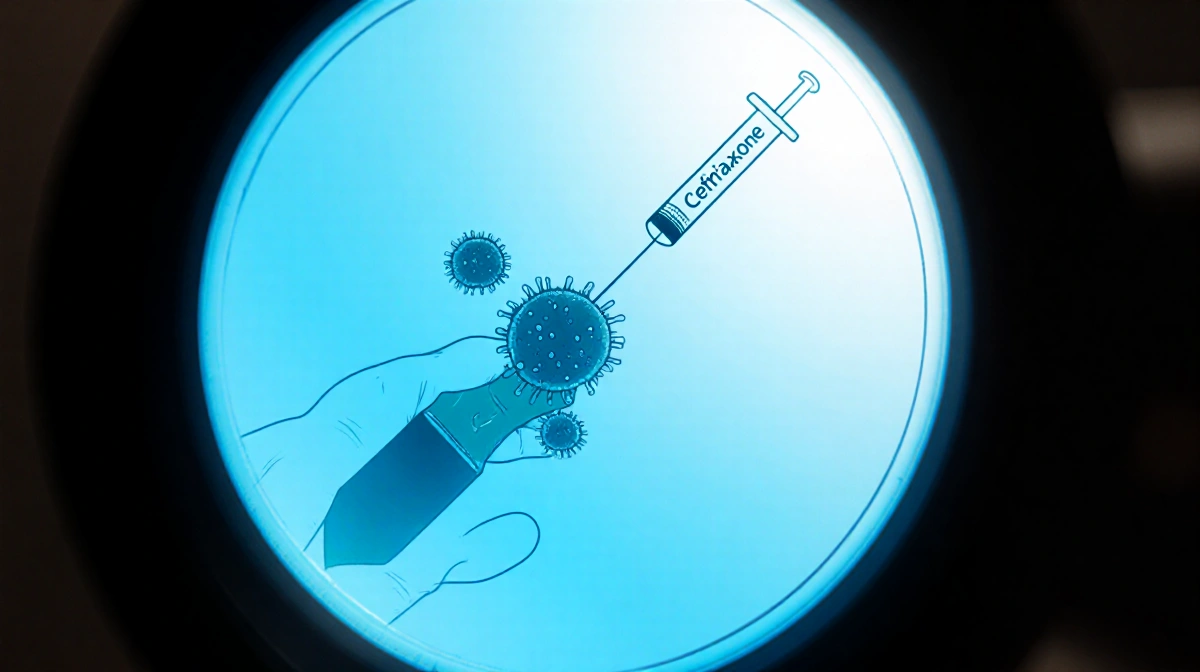
The bacterium that causes gonorrhea has steadily outmaneuvered antibiotics, leaving doctors with a shrinking arsenal. Until now, the standard regimen has been an injection of ceftriaxone, sometimes paired with oral azithromycin-though the CDC dropped azithromycin from its guidance after resistance emerged.
The two newly approved oral options offer fresh firepower:
- Nuzolvenc, developed through a public-private partnership, is a granule that dissolves in water.
- Bluejepa, from GlaxoSmithKline, is a tablet also cleared for urinary-tract infections.
Both drugs can be taken by mouth, eliminating the need for an injection.
“We were down to one class of antibiotics recommended to treat gonorrhea and we had no other good options,” Park said. “So to have two new options in the same year is very exciting.”
What’s Behind the Recent Case Declines
CDC analysts attribute the falling numbers to several overlapping trends:
- Reduced sexual activity among young adults
- Wider use of the antibiotic doxycycline as a morning-after pill to prevent bacterial STDs
- Expanded at-home screening that catches infections earlier
The agency’s 2024 surveillance tallies roughly 710,000 gonorrhea cases, down from a peak of about 677,000 in 2021. Chlamydia cases among adults slipped below 1.6 million, while primary and secondary syphilis diagnoses dipped to just under 36,000.
Potential Hurdles Ahead
Despite the optimism, some clinicians warn that wider home testing could complicate national surveillance. Traditional reporting has relied on a handful of large laboratories; as consumers scatter to multiple at-home brands, officials may lose visibility into true infection rates.
Cost is another barrier. At $150 per kit, Visby’s test may be out of reach for uninsured or under-insured patients. Teal Health’s HPV kit carries a similar price tag. Public clinics often provide free or low-cost screening, but supply chains for the new products are still ramping up.
Federal funding is also tightening. Recent Trump administration budget proposals have targeted the CDC and other public-health agencies for cuts, raising fears that outreach and treatment programs could shrink.
“I’m feeling very optimistic about the fact that people have more testing options and also that we now have access to new drugs,” Park said. “What I fear is these cuts to public health are going to decrease access to sexual-health care for populations who can least afford to take advantage of these new options.”
Key Takeaways
- The FDA has ushered in the first at-home combo test for gonorrhea, chlamydia and trichomoniasis, plus two oral gonorrhea drugs after decades without new options.
- Early data suggest the rapid tests match lab accuracy and can shrink the time to treatment from days to hours.
- National STD rates are trending downward for the third year in a row, aided by less sexual activity, post-exposure prophylaxis and broader screening.
- High retail prices and potential public-health budget cuts could curb who benefits from the innovations.