At a Glance
- Bill Skarsgård stars as Tony Kiritsis, who wired a shotgun to his mortgage broker’s neck in 1977
- The hostage ordeal lasted 63 hours and gripped the nation
- Richard O. Hall survived unharmed; Kiritsis was later found not guilty by reason of insanity
- Why it matters: The crime thriller Dead Man’s Wire revives one of America’s most bizarre hostage cases
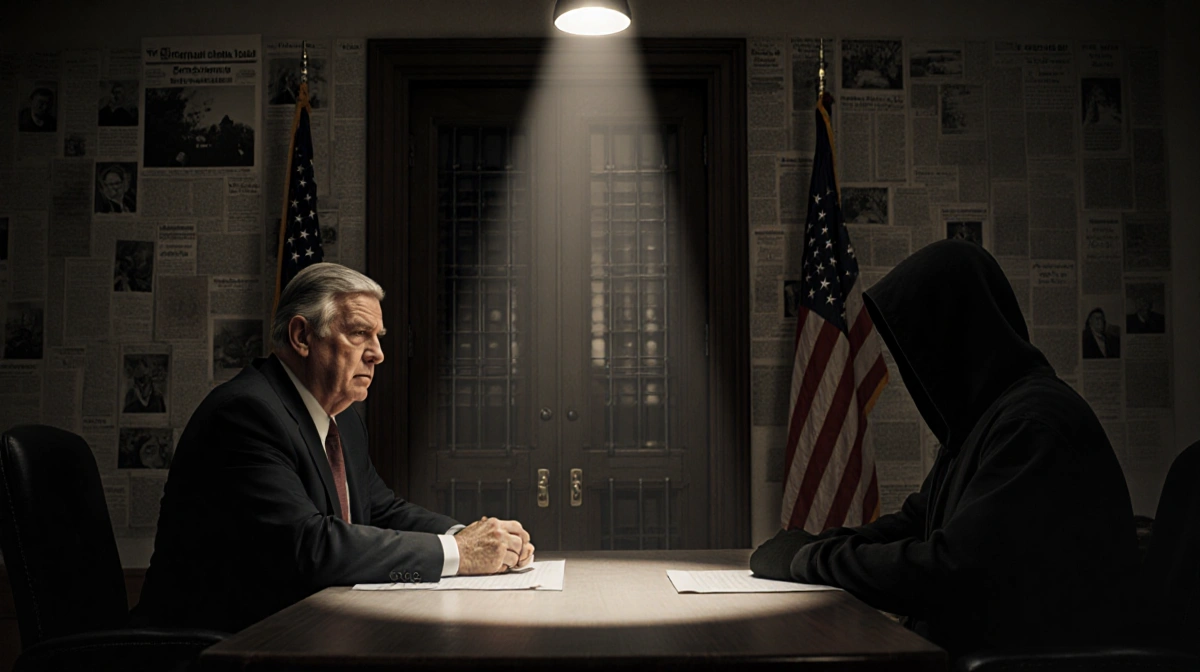
The crime thriller Dead Man’s Wire, released in theaters on January 16, dramatizes the 1977 Indianapolis hostage crisis in which disgruntled property owner Tony Kiritsis abducted mortgage broker Richard O. Hall using a lethal booby trap that became known as the “dead man’s wire.”
The 1977 Hostage Crisis
Kiritsis, a veteran struggling financially, blamed Meridian Mortgage Co. for sabotaging his plan to lease property to a shopping-mall developer. On February 8, 1977, he entered the firm’s office, strapped a sawed-off shotgun to Hall’s neck with a wire trigger, and forced his victim to call police.
The setup meant any attempt to subdue Kiritsis would fire the gun and kill Hall. Officers watched helplessly as the pair left the building, drove away in a police car, and barricaded themselves in Kiritsis’s apartment, which he claimed was rigged with explosives.
Over the next 63 hours Kiritsis demanded:
- A public apology from Meridian
- Clearance of his mortgage debt
- $5 million cash
- Immunity from prosecution
Negotiations and Surrender
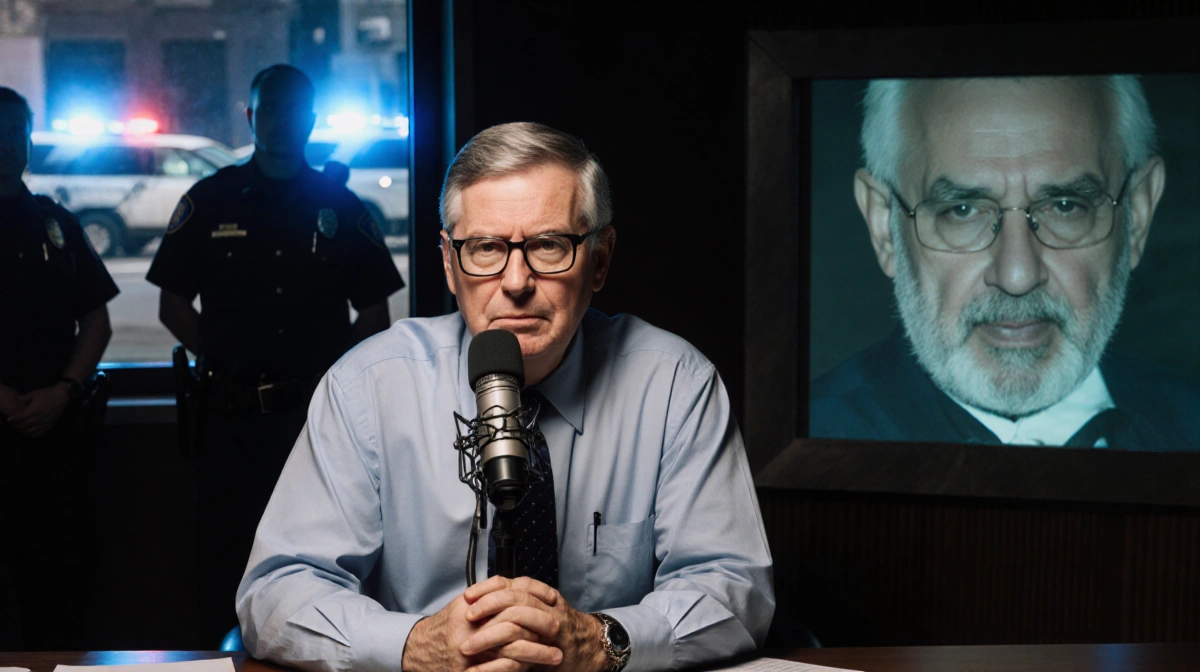
Kiritsis contacted Fred Heckman, a respected WIBC-AM journalist, and gave a series of on-air interviews explaining his motives. Police negotiated through Heckman, hoping to end the standoff without bloodshed.
On the third day Kiritsis marched Hall, still wired to the gun, before television cameras and delivered an impassioned speech. He thanked Heckman, removed the wire, and fired the weapon into the ceiling to prove it had been loaded. Police immediately arrested him despite earlier promises of immunity.
Aftermath for the Survivor
Hall walked away physically unharmed on February 10, 1977, but the psychological toll lingered. He largely avoided publicity until publishing Kiritsis and Me: Enduring 63 Hours at Gunpoint four decades later.
“Actually from the very start, I thought that I was a dead man really,” Hall told WIBC while promoting the book. He credited faith for helping him endure, yet wrote: “Because of Tony Kiritsis, almost every aspect of my life was thrown upside down.”
Hall, known as “Dick,” died on May 20, 2022, at age 87 following a brief illness, leaving four children and a longtime partner.
Legal Outcome for Kiritsis
Prosecutors charged Kiritsis with kidnapping, armed extortion, and armed robbery. Psychiatrists testified he suffered a “paranoid delusional state” during the siege. A jury found him not guilty by reason of insanity.
Hall testified at the trial and recalled public reaction: “I turned on the news media and heard it announced at the Indiana Pacers game that Tony was found not guilty, and there was a loud cheer. That kinda aggravated me.”
Kiritsis spent 11 years in state hospitals before his release in January 1988. He died on January 28, 2005, at age 72 from diabetes complications.
Bringing History to Screen
The film adaptation stars:
- Bill Skarsgård as Tony Kiritsis
- Dacre Montgomery as Richard O. Hall
- Colman Domingo as negotiator Fred Temple
- Al Pacino as M.L. Hall
- Cary Elwes as Detective Michael Grable
Elwes told The Direct the filmmakers aimed to stay authentic: “The story is so extraordinary that we really didn’t have to take many licenses. We were pretty faithful to the story.”
Where to Watch
Dead Man’s Wire opened across U.S. theaters on January 16. No streaming or digital release date has been announced.
Key Takeaways
- A 1977 Indianapolis hostage case involving a deadly wire device is now a major motion picture
- The 63-hour crisis ended with the captor’s arrest and eventual insanity verdict
- Survivor Richard O. Hall detailed his ordeal in a 2017 memoir
- The film seeks to recreate events with minimal dramatic license