At a Glance
- Four men from Coquitlam were stranded on Golden Ears for 4 days after a sudden storm on Jan. 10.
- They survived in an emergency shelter on Panorama Ridge, sending an SOS and awaiting rescue.
- Helicopter and ground teams faced whiteout conditions, avalanches, and lack of supplies before a successful extraction on Jan. 13.
- Why it matters: The incident underscores the unpredictable weather and avalanche risks in western Canada’s mountains and the importance of preparedness.
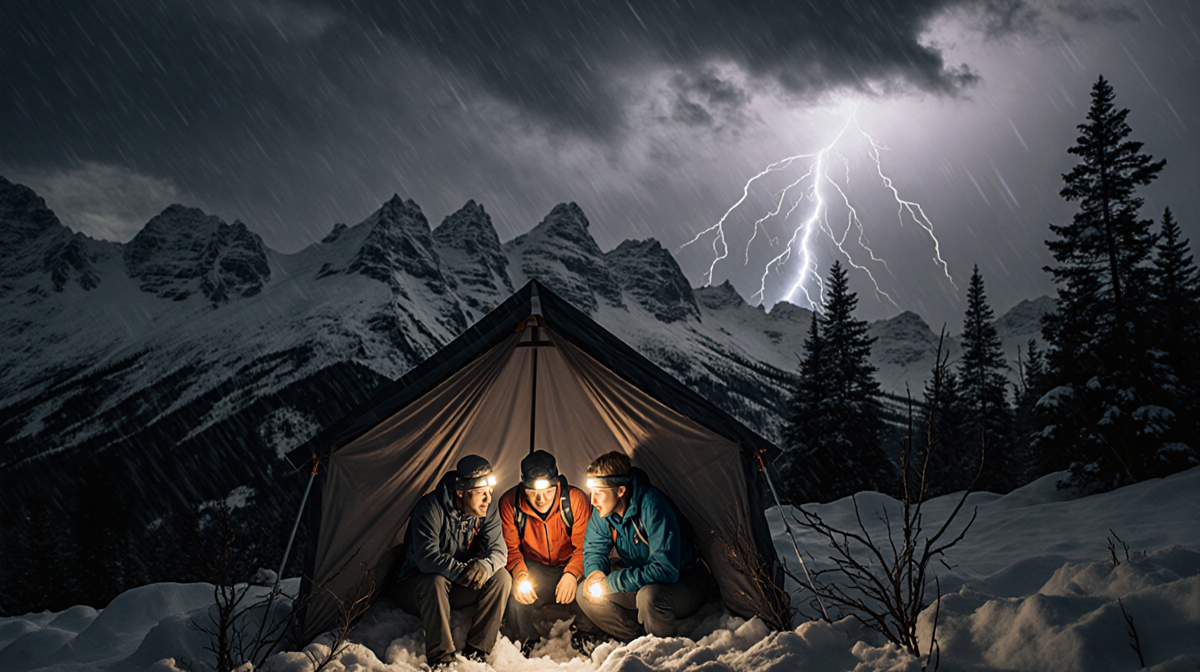
The summit of Golden Ears became a dramatic backdrop for a four-man hiking group that found themselves trapped after a sudden storm on Jan. 10. The men, all from Coquitlam, British Columbia, had reached the 5,630-foot peak with two summits when whiteout conditions cut visibility and forced them to seek shelter. They were prepared to spend the night and quickly moved to an emergency shelter on Panorama Ridge, where they sent out an SOS.
The Unexpected Storm
Ridge Meadows Search and Rescue (RMSR) confirmed that the group had reached the summit early in the morning of Jan. 10. The storm that followed limited visibility and made the terrain dangerous. A helicopter could not safely land, and the possibility of an avalanche prevented rescue crews from approaching on foot.
- Whiteout conditions blocked the view of the terrain.
- Avalanche risk halted ground operations.
- Helicopter could only fly within 1,000 feet of the shelter.
The rescue team was activated that evening, but the harsh weather quickly stalled progress. By the next day, a second helicopter attempt also failed because of the inclement conditions.
Desperate Days
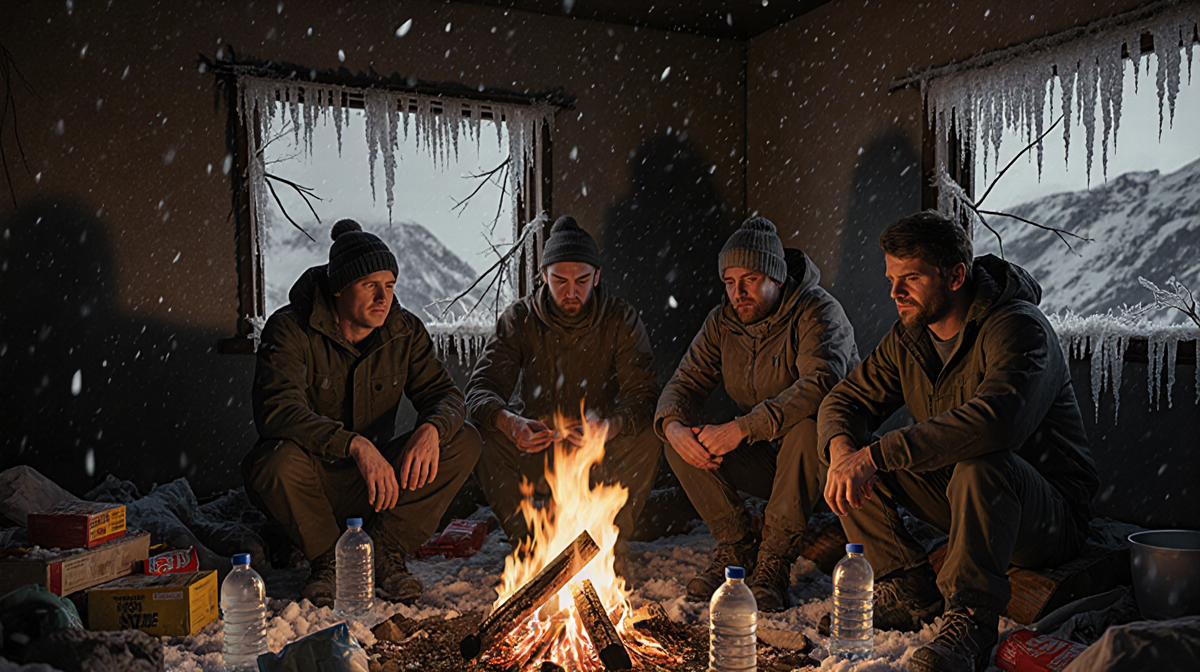
On Sunday morning, the rescue leaders learned that the hikers had run out of food and other essential supplies. Brent Boulet, president of RMSR, told the Vancouver Sun that “by Monday night they had run out of food and other supplies. Now we are starting to feel the pressure of getting them out as soon as possible.” The situation became urgent as the men’s supplies dwindled.
The four men were described by RMSR as “tired and hungry, but otherwise in good shape.” They had survived on the shelter’s limited provisions, but the lack of fresh supplies posed a growing risk.
Successful Extraction
A break in the weather on the afternoon of Jan. 13 allowed the rescue team to act. Helicopters were able to land next to the shelter, and the men were flown to a nearby airport. They reunited with their families shortly after the extraction.
The rescue operation was a multi-agency effort involving helicopter pilots, ground teams, and medical staff. The swift response after the weather cleared saved the hikers from a potentially life-threatening situation.
Lessons for Hikers
Following the rescue, RMSR issued a reminder to all hikers: weather in the mountains can change quickly, and supplies should be sufficient for overnight stays. The agency also advised checking avalanche conditions before venturing into high-peak terrain and ensuring that hikers have the equipment and knowledge to avoid or navigate avalanche-prone areas.
Boulet emphasized that “this time of year, it’s not just a hike – it’s a mountaineering objective.” He urged that anyone attempting the Alpine of Golden Ears must have the experience and preparation needed for such conditions.
The incident serves as a stark reminder that even seasoned hikers can face sudden dangers. Proper planning, awareness of weather forecasts, and respect for avalanche risks are essential for safety in these remote areas.
Key Takeaways
- Sudden storms can trap hikers on high peaks.
- Whiteout conditions and avalanches can delay rescue operations.
- Adequate supplies and avalanche knowledge are critical.
- Quick weather changes require flexible rescue strategies.
The rescue of the four men from Golden Ears demonstrates both the challenges of mountain emergencies and the effectiveness of coordinated search and rescue efforts when conditions improve.